Image 1 of 18
1 / 18
Plant Reference
Styrax, Genus, obassia, Species,
- Genus & species
fragrant snowbell
Japan, Korea, and northern China; the species grows in mountain forests at mid elevations in moist partly shaded conditions; the vernacular name 'obassia' is from Japanese
Overview
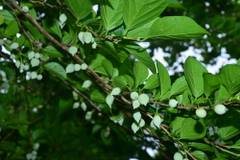
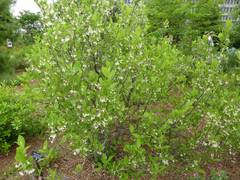
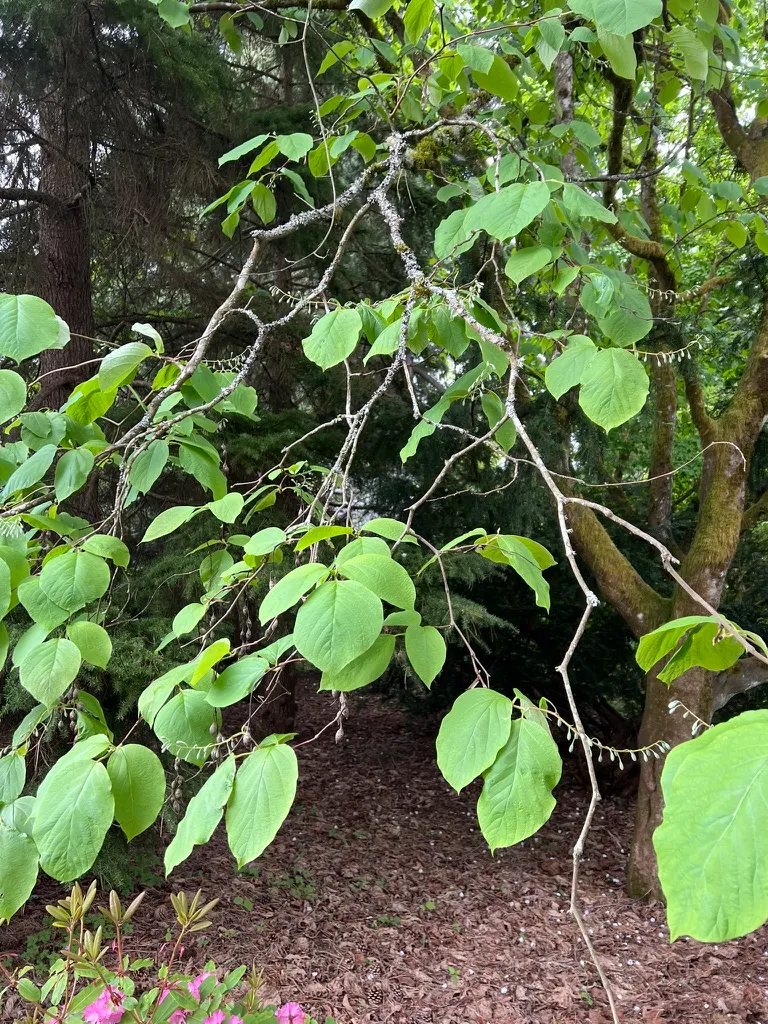
Styrax obassia is an upright deciduous tree in the family Styracaceae native to mountain forests of Japan, Korea, and northern China, reaching 20-30 feet (6-9 m) tall and 15-25 feet (4.5-7.5 m) wide with a rounded to broadly pyramidal crown. Leaves are simple, alternate, and very large at 4-8 inches (10-20 cm) across — broadly rounded to orbicular and among the largest carried by any species in the genus Styrax, and much larger than the 1-3 inch (2.5-7 cm) leaves of the more commonly planted Styrax japonicus. The large leaf size gives the tree a bold coarse foliage texture that contrasts strongly with surrounding smaller-leaved plantings, and this texture character is a design consideration for companion planting — small-leaved perennials and shrubs create a visual scale clash against the large rounded foliage of S. obassia. White bell-shaped pendant flowers 0.75 inch (2 cm) across open in drooping terminal racemes 4-8 inches (10-20 cm) long at the branch tips during May and June, lasting approximately 2 weeks. Flowers carry a moderate sweet fragrance noticeable beneath the canopy and are bee-pollinated. Small gray-green drupes develop after bloom. Fall foliage turns yellow before leaf drop. The species requires acidic well-drained soil with a pH of 5.0-6.5 and develops iron chlorosis (yellowing leaves with green veins) in alkaline conditions; the acid-soil requirement is the primary cultivation limitation and rules out planting in the alkaline-soil regions of the central United States, much of the western interior, and any site over limestone bedrock. The species is not drought-tolerant and requires consistent summer moisture. Hot exposed sites with full afternoon sun in zones 7-8 cause leaf scorch on the large leaves, and afternoon-shaded positions carry the species through warm-climate summers more reliably than open full-sun positions. No significant pest or disease problems are recorded on cultivated plants.
Native Range
Styrax obassia is native to Japan, Korea, and northern China, where it grows in mountain forests at mid elevations from roughly 1,000 to 5,000 feet (300 to 1,500 m). The species occupies moist partly shaded understory positions beneath larger deciduous canopy trees in its native range, and the cultivation preferences (afternoon shade, acidic moist soil, consistent summer moisture) follow directly from this native habitat. The species was introduced to Western horticulture in the mid-19th century.Suggested Uses
Planted as a specimen tree, understory feature, or woodland garden component at 15-25 foot (4.5-7.5 m) spacing in zones 5-8. The bold large-leaf foliage texture and the fragrant pendant flower racemes combine to make the species a feature for shaded woodland gardens where acidic soil and consistent summer moisture are available. Combined with Hydrangea quercifolia, Rhododendron species, Kalmia latifolia, and ferns in acid-soil woodland plantings where the species shares the same site conditions. Not suited to alkaline soil gardens anywhere in the hardiness range (iron chlorosis develops reliably), hot exposed positions in zones 7-8 with full afternoon sun where leaf scorch on the large leaves becomes recurring, dry drought-prone sites without supplemental irrigation, or formal plantings with small-leaved companions where the bold foliage texture creates a visual scale clash.How to Identify
Appearance
Size & Dimensions
Height20' - 30'
Width/Spread15' - 25'
Colors
Bloom Information
White bell-shaped pendant flowers 0.75 inch (2 cm) across open in drooping terminal racemes 4-8 inches (10-20 cm) long at the branch tips during May and June in zones 5-8, lasting approximately 2 weeks of bloom. Flowers carry a moderate sweet fragrance noticeable beneath the canopy at close range and are visited by bees and bumblebees. Small gray-green drupes 0.5 inch (1.3 cm) across develop after bloom and ripen through late summer.
Detailed Descriptions
Flower Description
white; bell-shaped pendant flowers 0.75 inch (2 cm) across borne in drooping terminal racemes 4-8 inches (10-20 cm) long at the branch tips; moderately fragrantFoliage Description
dark green above and paler beneath; simple, very large, broadly rounded to orbicular leaves 4-8 inches (10-20 cm) across — among the largest leaves carried by any species in the genus Styrax; alternate arrangement on upright branching; turns yellow in fallGrowing Conditions
Sun Requirements
Requires 4-6 hours of direct sunlight daily
• Full Sun: 6+ hours of direct sunlight
• Partial Shade: 3-6 hours of direct sunlight
• Full Shade: Less than 3 hours of direct sunlight
Care & Maintenance
Care Guide
Plant in well-drained acidic soil with a pH of 5.0-6.5 in part shade (4-6 hours of sun with afternoon shade protection). Tolerated soil types are limited to acidic loam — the species develops iron chlorosis (yellowing leaves with green veins) in alkaline soil and is not suited to limestone-derived or alkaline garden soils anywhere in its hardiness range. Water weekly through summer in any rainfall-deficit period because the species is not drought-tolerant and consistent summer moisture is needed for healthy growth and to prevent leaf scorch on the large leaves. Hot exposed afternoon-sun positions in zones 7-8 cause leaf scorch and early leaf drop, and afternoon-shaded or east-facing positions carry the species through warm-climate summers more reliably. No significant pest or disease problems are recorded on cultivated plants and the species is low-maintenance once established in an appropriate site. Pruning is done during the dormant season (January-February).Pruning
Pruning is done during the dormant season (January through February) while the tree is leafless. A single central leader with well-spaced lateral branches is developed in young trees through corrective pruning over the first 5-10 years after planting. Dead, damaged, and crossing branches are removed at the branch collar. The natural rounded to broadly pyramidal crown develops without intervention on healthy established specimens, and minimal structural pruning is needed beyond routine deadwood removal.Pruning Schedule
Prune: January–February
winter