Image 1 of 28
1 / 28
Plant Reference
Styrax, Genus, japonicus, Species,
- Genus & species
Japanese snowdrop tree
Japan, Korea, and China; mountain forests and woodland edges
Overview
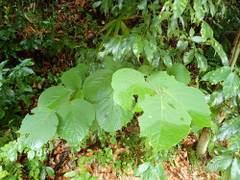
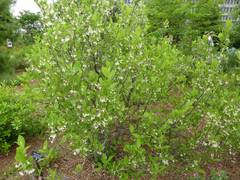
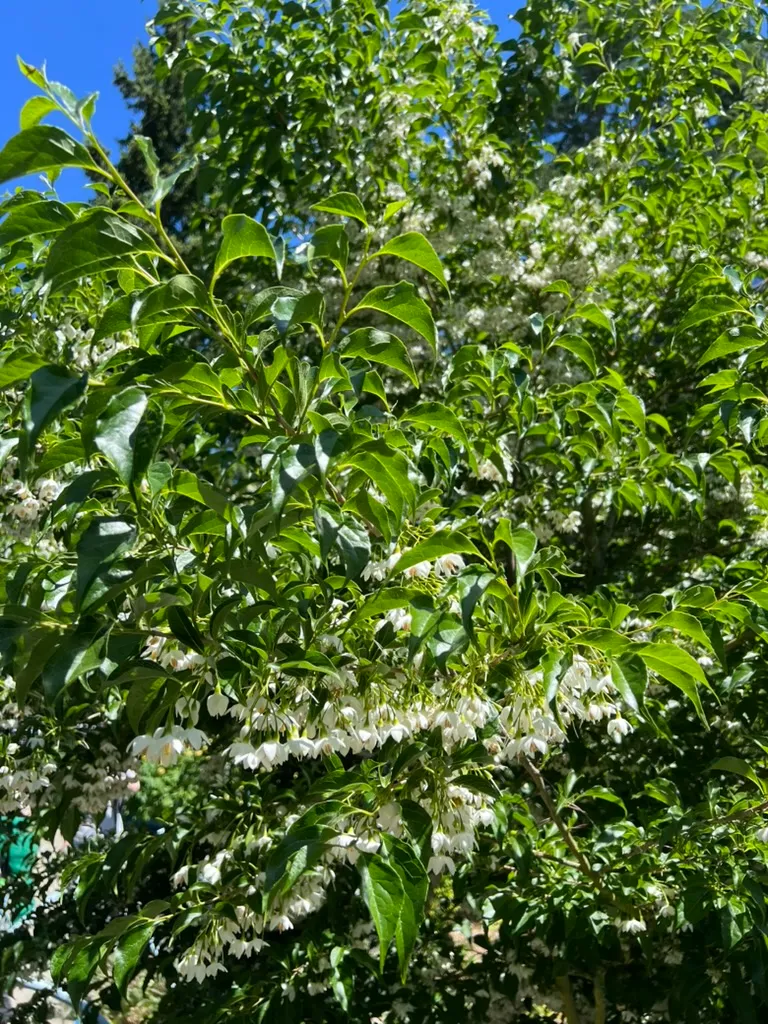
Styrax japonicus is Japanese snowbell (Japanese snowdrop tree), a spreading deciduous tree growing 20-30 feet (6-9 m) tall and 20-30 feet (6-9 m) wide with a horizontal layered branching habit. White bell-shaped pendant flowers 0.75 inch (2 cm) with yellow stamens in clusters of 3-6 along the undersides of the horizontal branches in May-June. Lightly fragrant. The flowers hang beneath the branches and are most visible from below. Dark green simple ovate alternate finely serrated leaves 1-3 inches (2.5-7 cm). Small gray-green drupes 0.5 inch (1.3 cm) in fall. Turns yellow in fall. In Styracaceae. Native to Japan, Korea, and China. Requires acidic well-drained soil (pH 5.0-6.5) — iron chlorosis in alkaline conditions. This acid-soil requirement is the primary limitation. Does not tolerate hot dry conditions — leaf scorch in exposed hot sites. Not drought-tolerant — consistent moisture required. The pendant flowers are not visible at a distance or from a flat viewing angle — the tree is positioned on slopes or elevated sites to allow viewing from below. No significant pest or disease problems. Deer-resistant. Non-toxic. Zones 5-8. Full sun to partial shade. Growth rate is moderate.
Native Range
Native to Japan, Korea, and China. Found in mountain forests and woodland edges.Suggested Uses
Grown as a specimen tree and patio tree on slopes or elevated sites (for viewing pendant flowers from below), spaced 20-30 feet (6-9 m). Horizontal layered branching. Requires acidic soil. Position above eye level for flower visibility. Non-toxic. Zones 5-8.How to Identify
Appearance
Size & Dimensions
Height20' - 30'
Width/Spread20' - 30'
Bloom Information
Detailed Descriptions
Flower Description
White, bell-shaped, pendant, 0.75 inch (2 cm), with yellow stamens; borne in clusters of 3-6 along the undersides of the horizontal branchesFoliage Description
Dark green, simple, ovate, alternate, 1-3 inches (2.5-7 cm), finely serrated; turns yellow in fall — fall color unremarkableGrowing Conditions
Sun Requirements
Requires 4-8 hours of direct sunlight daily
• Full Sun: 6+ hours of direct sunlight
• Partial Shade: 3-6 hours of direct sunlight
• Full Shade: Less than 3 hours of direct sunlight
Care & Maintenance
Care Guide
Full sun to partial shade (4-8 hours — afternoon shade in hot climates). Acidic well-drained soil pH 5.0-6.5 — iron chlorosis in alkaline conditions. Not drought-tolerant — consistent moisture required. Leaf scorch in hot dry exposed sites. No significant pest or disease problems. Prune in winter (January-February). Deer-resistant. Non-toxic. Zones 5-8.Pruning
Prune in winter (January-February). Minimal pruning needed — the horizontal layered branching habit is natural. Remove dead or crossing branches. Maintain the low-branching habit to allow viewing of the pendant flowers from below.Pruning Schedule
Prune: January–February
winter