Stellaria, Genus, pubera, Species,
- Genus & species
star chickweed
Overview
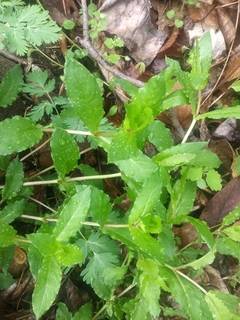
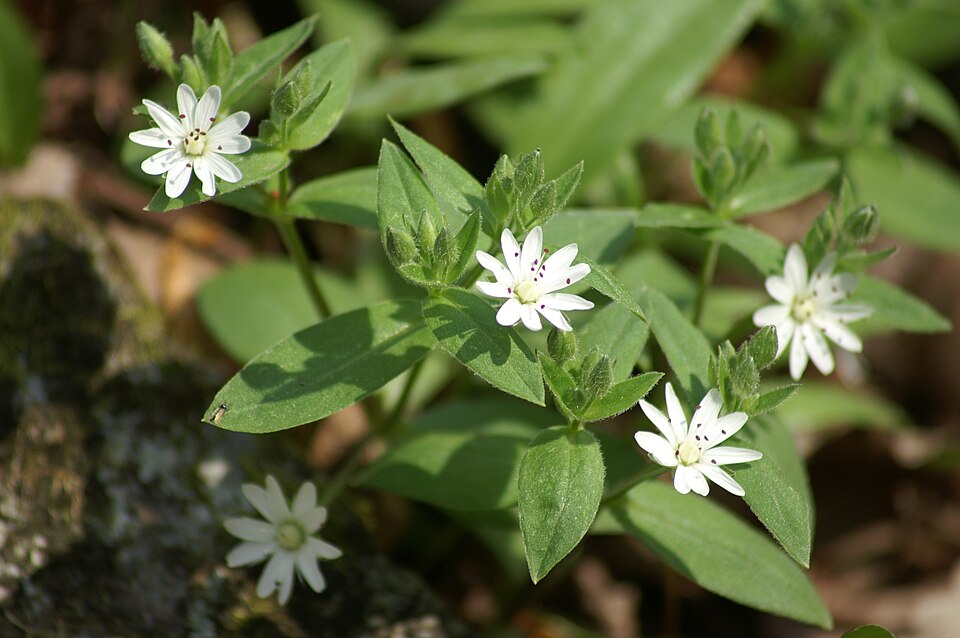
Stellaria pubera is a low spring-flowering perennial of eastern North American woodlands, growing 6-16 inches (15-40 cm) tall in loose, leafy clumps. Its weak, often reclining stems carry pairs of oval to lance-shaped leaves and two lines of hairs running along the stem between leaf nodes. In spring it produces white star-shaped flowers about 0.5 inch (12 mm) across; each flower has five petals so deeply notched that they appear as ten, surrounding dark reddish-purple anthers. The contrast of the white petals against the dark stamens marks the species. S. pubera grows in rich, moist deciduous woods, on shaded rocky slopes, and along stream banks, often over limestone. It spreads slowly into small patches by short rhizomes and self-sown seed. The plant needs cool, moist, humus-rich soil and fades back in summer once seed is set, leaving gaps in the planting. Hot, dry, or sunny conditions cut its season short. It is hardy in USDA zones 4 through 8.
Native Range
Native to eastern North America, from New Jersey and Illinois south to Florida and Alabama. It grows in rich moist woods, shaded rocky slopes, and along streams, often on limestone soils.Suggested Uses
Planted in woodland gardens, shaded native plant beds, and rock gardens as a spring groundcover. It combines with ferns, wild ginger, and other shade plants that fill in as it goes dormant.How to Identify
Appearance
Size & Dimensions
Height6" - 1'4"
Width/Spread8" - 1'4"
Bloom Information
White star-shaped flowers open in spring, generally March through May, over a period of several weeks. The flowers attract early bees and other small pollinators. After bloom the plant sets seed in small capsules and begins to die back.
Detailed Descriptions
Flower Description
White with dark reddish-purple anthersFoliage Description
GreenGrowing Conditions
Sun Requirements
Requires 2-4 hours of direct sunlight daily
• Full Sun: 6+ hours of direct sunlight
• Partial Shade: 3-6 hours of direct sunlight
• Full Shade: Less than 3 hours of direct sunlight
Care & Maintenance
Care Guide
Grow S. pubera in part to full shade with cool, moist, humus-rich soil. It performs in woodland and shaded rock gardens and fades in hot, dry, or sunny sites. A leaf-litter mulch helps hold moisture and keep the roots cool through the season. The plant goes dormant in summer after flowering, so pair it with later perennials to cover the bare ground. It spreads by seed and short rhizomes, forming gentle drifts over time. Established patches need little care beyond seasonal moisture.Pruning
No pruning is required. Allow the foliage to die back on its own after flowering and seed set. Clear away the withered stems once they have dried.Container Growing
Suitable for container growing
Minimum container size: 1 gallons