Sporobolus, Genus, heterolepis, Species,
- Genus & species
prairie dropseed
North America — primarily the tallgrass prairie region from southern Canada south to Texas; also found in scattered prairie remnants in the eastern US
Overview
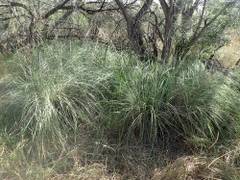
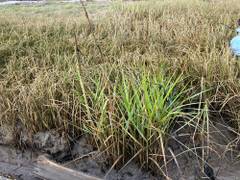
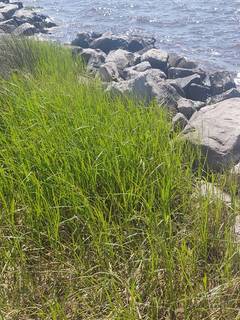
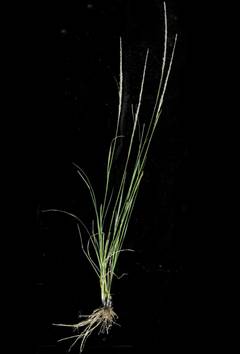
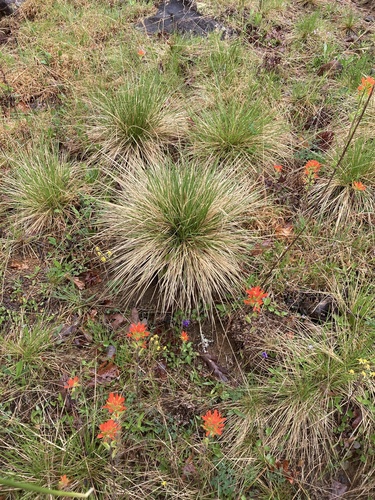
Sporobolus heterolepis is prairie dropseed (northern dropseed) in the Poaceae family — a clumping warm-season bunchgrass growing 24-36 inches (60-90 cm) tall and 24-36 inches (60-90 cm) wide. Hair-thin bright green foliage 0.06 inch (1.5 mm) wide arches gracefully from a central crown. Airy pink-tinged panicles 6-10 inches (15-25 cm) on arching stems in August-October carry a sweet fragrance variously described as cilantro, buttered popcorn, or toasted grain. C4 warm-season grass — active growth begins in late spring. Native to the North American tallgrass prairie from southern Canada south to Texas. The foliage turns golden-orange to pumpkin in fall — the dried golden clump holds its arching form through winter without collapsing. Slow to establish from seed — 3-5 years to full clump size. This slow establishment is the primary limitation. Once established, individual clumps can persist for 50+ years — among the longer-lived native grasses. Tolerates a wide range of soils including clay. The sweet panicle fragrance sets this species apart from other native grasses. Deer-resistant. Drought-tolerant once established. Non-toxic. Zones 3-8. Full sun. Growth rate is slow.
Native Range
Native to North America — primarily the tallgrass prairie region from southern Canada south to Texas.Suggested Uses
Grown in prairie restorations, meadow plantings, native gardens, mass plantings, and containers of at least 7 gallons (26 L). Hair-thin foliage. Fragrant panicles. Golden-orange fall color. Native to North America. Long-lived (50+ years). Deer-resistant. Non-toxic. Zones 3-8.How to Identify
Appearance
Size & Dimensions
Height2' - 3'
Width/Spread2' - 3'
Colors
Bloom Information
Detailed Descriptions
Flower Description
Airy pink-tinged panicles 6-10 inches (15-25 cm) on arching stems above the foliage mound; the panicles carry a sweet fragrance variously described as cilantro, buttered popcorn, or toasted grainFoliage Description
Bright green, hair-thin (1.5 mm wide), gracefully arching from a central crownGrowing Conditions
Sun Requirements
Requires 6-12 hours of direct sunlight daily
• Full Sun: 6+ hours of direct sunlight
• Partial Shade: 3-6 hours of direct sunlight
• Full Shade: Less than 3 hours of direct sunlight
Care & Maintenance
Care Guide
Full sun (6+ hours). Any well-drained soil pH 5.5-8.0 — tolerates clay. C4 warm-season grass — emerges late in spring. All growth is cut to 3-4 inches (7-10 cm) in early spring (March). Cutting in fall is avoided. Slow to establish (3-5 years). Once established, persists 50+ years. Deer-resistant. Non-toxic. Zones 3-8.Pruning
Cut back to 3-4 inches (7-10 cm) in early spring (March) before new growth. Foliage stays standing through fall and winter — the golden clump and seed heads are the late-season display. Cutting in fall is avoided.Pruning Schedule
Prune: March
early spring
Container Growing
Suitable for container growing
Minimum container size: 7 gallons