Spinacia, Genus, spp., Multiple species,
- Genus
- Multiple species
spinach
SunFull Sun – Part Shade
WaterMedium
Overview
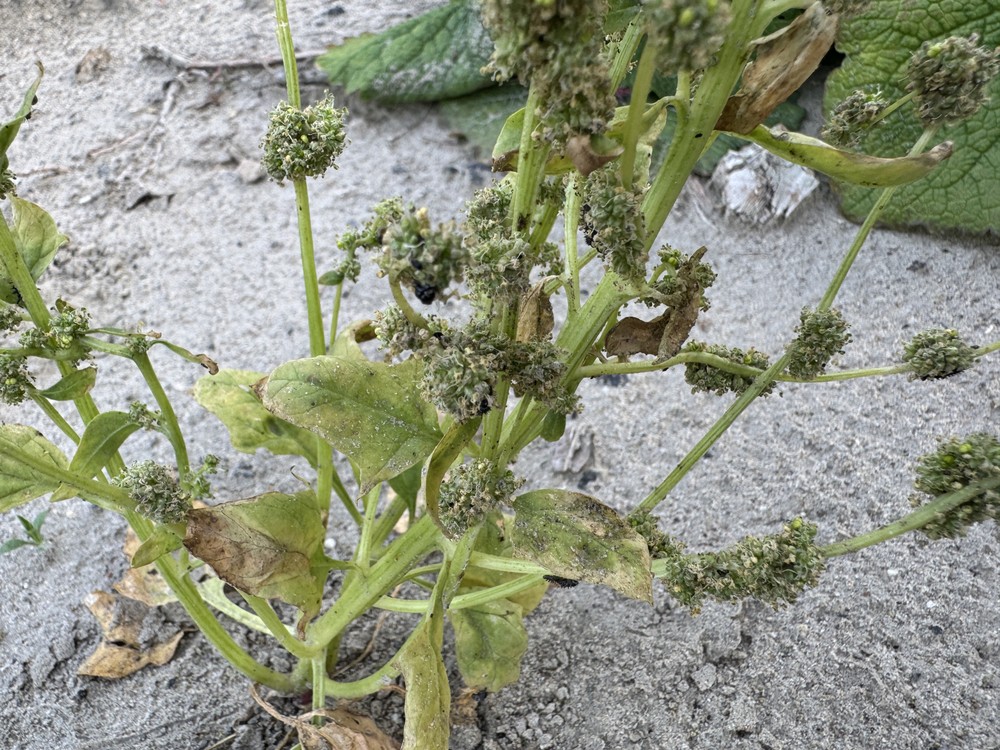
Spinacia is a small genus of annual plants in the amaranth family (Amaranthaceae), represented in cultivation by spinach, Spinacia oleracea, with two wild relatives native to central and southwestern Asia. It is a fast-growing cool-season annual forming a basal rosette of leaves 8-12 inches (20-30 cm) wide before sending up a flowering stem 12-24 inches (30-60 cm) tall. The leaves are 2-6 inches (5-15 cm) long, ovate to triangular or arrow-shaped, smooth or savoyed, on long stalks, deep green and somewhat fleshy. Plants are mostly dioecious, with separate male and female flowers that are small, green, and wind-pollinated; female plants bear clustered green flowers along the stem. Bolting to flower is triggered by long days and heat, after which the leaves turn bitter and the rosette is spent. The genus completes its life cycle in a single season, running quickly to seed in warm weather, which limits the harvest window. Cool temperatures and short days favor a longer leafy phase before flowering.
Native Range
Native to central and southwestern Asia, including Iran, the Caucasus, and Central Asia, where the wild relatives grow on disturbed ground and dry slopes. Cultivated spinach is now grown worldwide as a cool-season leaf vegetable and is not known in a truly wild form.Suggested Uses
Grown in vegetable beds, raised beds, and containers as a cool-season leaf crop, sown in spring and autumn and spaced 3-6 inches (8-15 cm) apart. It suits intercropping and succession sowing between slower vegetables and grows in window boxes and pots at least 6-8 inches (15-20 cm) deep. Young leaves are eaten raw and mature leaves cooked.How to Identify
Appearance
Size & Dimensions
Height1' - 2'
Width/Spread8" - 1'
Bloom Information
Flowering is inconspicuous, the small green flowers appearing once plants bolt in late spring and summer as days lengthen. Male and female flowers are usually on separate plants and are wind-pollinated. In leaf-vegetable culture the plants are harvested before flowering, so bloom is generally seen only on plants left to set seed.
Detailed Descriptions
Foliage Description
deep greenGrowing Conditions
Sun Requirements
Requires 4-8 hours of direct sunlight daily
• Full Sun: 6+ hours of direct sunlight
• Partial Shade: 3-6 hours of direct sunlight
• Full Shade: Less than 3 hours of direct sunlight
Water & Climate
Water Needs
Care & Maintenance
Care Guide
Grows in full sun to part shade in moist, fertile, well-drained soil rich in organic matter, with a pH from 6.0 to 7.5. Cool weather between 50 and 70 F (10 and 21 C) favors leaf growth, while heat and long days trigger bolting, after which leaves turn bitter. Steady moisture keeps growth tender and delays bolting, while dry soil hastens it. Seed is sown directly in early spring and again in late summer for autumn crops, as transplants resent root disturbance. Leaf miners, downy mildew, and aphids are the main problems in crowded, damp plantings. Spinach is mostly grown as a quick succession crop rather than a long-standing plant.Pruning
No pruning is needed. Outer leaves are picked as they reach usable size, leaving the central growing point to produce more, or the whole rosette is cut at the base in a single harvest. Plants are pulled once they bolt and the leaves turn bitter.Container Growing
Suitable for container growing
Minimum container size: 1 gallons
Toxicity
Non-toxicPlanting Guide
Planting Methods & Timing
Planting Method
direct sow
Direct Sow Timing
Early spring as soon as the soil can be worked, and again in late summer for autumn harvest
Days to Maturity
35–50 days
Plant Spacing
4 inches
Companion Planting
Good Companions