Sphaeralcea, Genus, spp., Multiple species,
- Genus
- Multiple species
globemallows
Arid Americas, mainly southwestern North America
Overview
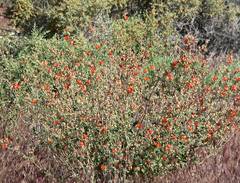
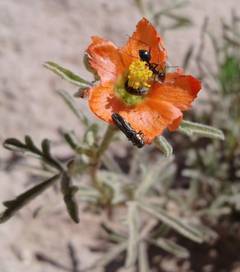
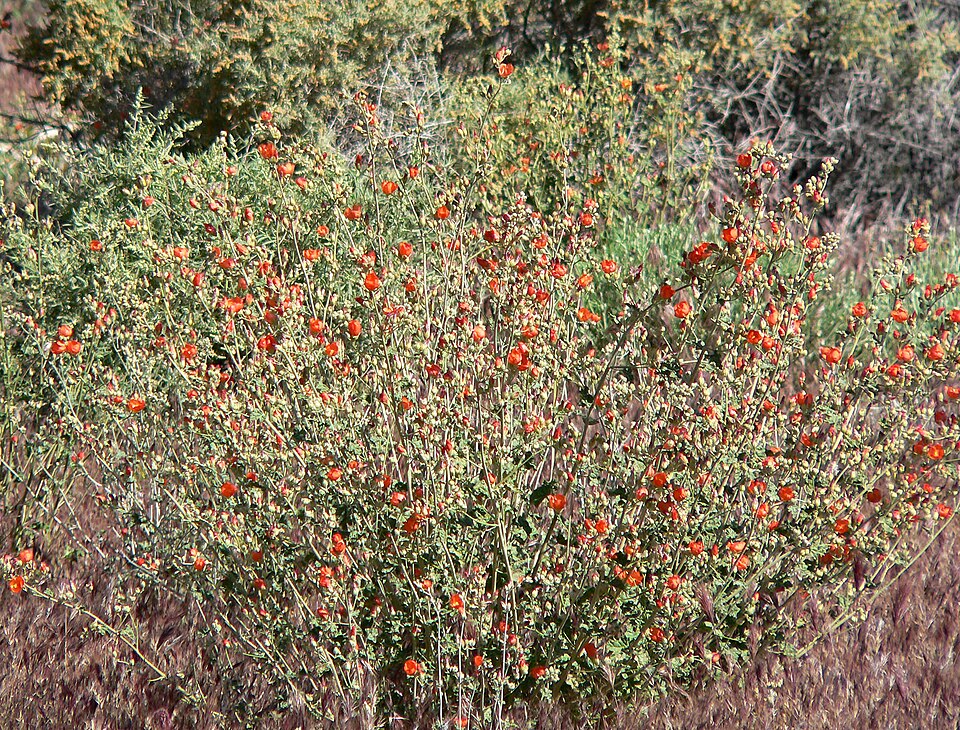
Sphaeralcea is a genus of about 40 to 60 species of perennials and small subshrubs in the mallow family (Malvaceae), native to the dry regions of the Americas, with most species in the deserts and grasslands of the southwestern United States, Mexico, and South America. Plants form clumps or open mounds 1-3 feet (0.3-0.9 m) tall and as wide, with upright or sprawling stems clothed in grey-green leaves that are lobed or scalloped and covered in tiny star-shaped hairs. From spring through autumn the stems carry spikes of cup-shaped, five-petaled flowers 0.5-1.5 inches (1.3-4 cm) across in orange, apricot, coral, pink, red, and occasionally lavender, the orange shades giving rise to names such as desert mallow and apricot mallow. The flowers open in sequence along the stem over a long season and draw bees and other pollinators. Deep taproots make established plants drought- and heat-tolerant, suited to lean, fast-draining desert soils. The branched, star-shaped hairs can irritate skin and eyes, the source of the name sore-eye poppy. Most species grow in zones 5 to 10. The plants are short-lived but self-sow, and growth becomes sparse and woody in the driest sites.
Native Range
Sphaeralcea species are native to the arid and semi-arid Americas, concentrated in the deserts, plains, and dry slopes of the southwestern United States and Mexico, with a second group in the drylands of western South America. They grow in open, sunny sites on sandy, gravelly, and disturbed ground.Suggested Uses
Sphaeralcea is grown in desert, gravel, rock, and xeriscape gardens and in wildflower and pollinator plantings, spaced 18-24 inches (45-60 cm) apart. The drought tolerance suits dry banks, roadside plantings, and naturalized desert gardens. The long-blooming orange flowers are used in native-plant borders in warm, dry regions.How to Identify
Appearance
Size & Dimensions
Height1' - 3'
Width/Spread1' - 3'
Colors
Bloom Information
Sphaeralcea blooms over a long season from spring into autumn, generally March to October in warm regions, with the heaviest flush after spring or summer rains. Individual flowers are short-lived, but new buds open in succession along the lengthening stems for weeks. Orange and apricot are the most common colors, with pink, red, and lavender in some species.
Detailed Descriptions
Flower Description
orange, apricot, coral, pink, red, or lavenderFoliage Description
grey-greenGrowing Conditions
Sun Requirements
Requires 6-12 hours of direct sunlight daily
• Full Sun: 6+ hours of direct sunlight
• Partial Shade: 3-6 hours of direct sunlight
• Full Shade: Less than 3 hours of direct sunlight
Care & Maintenance
Care Guide
These plants grow in full sun and sharply drained sandy, gravelly, or rocky soil at a neutral to alkaline pH, and tolerate heat, drought, and wind once their deep taproots form. They need little or no irrigation in dry climates and rot in rich, wet, or poorly drained ground. Lean soil and full exposure keep growth compact, while shade and extra water produce lax, floppy stems and fewer flowers. The plants are short-lived perennials that maintain themselves by self-seeding. Cutting back after the main bloom can bring a second flush and tidy the sprawling stems. The star-shaped leaf hairs can irritate skin during handling.Pruning
Cutting the plant back by about half after the first heavy bloom removes spent flower spikes, encourages rebloom, and keeps the sprawling stems in bounds. A hard cut to the base in late winter clears old growth before the new season. Spent plants are left to drop seed where more plants are wanted.Container Growing
Suitable for container growing