Sonchus, Genus, arvensis, Species,
- Genus & species
perennial sow thistle
Overview
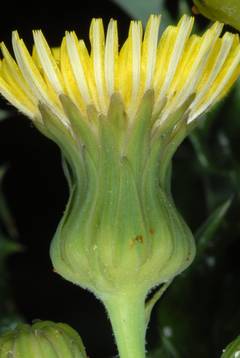
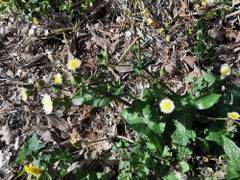
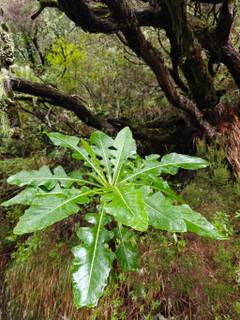
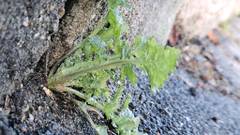
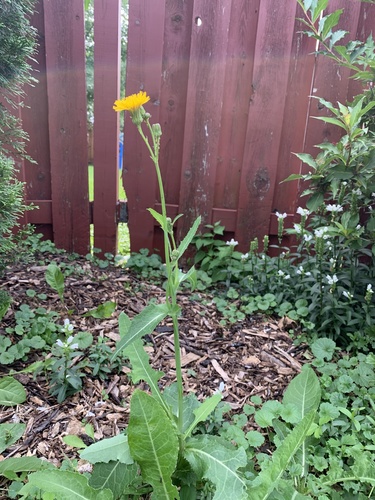
Sonchus arvensis is a rhizomatous perennial in the family Asteraceae reaching 24-60 inches (60-150 cm) tall and 24-48 inches (60-120 cm) wide, forming dense spreading colonies via creeping horizontal rhizomes. Stems are erect, hollow, branching in the upper half, carrying milky latex throughout that exudes when cut or broken. Leaves are deeply pinnately lobed with soft spiny-toothed margins, 4-12 inches (10-30 cm) long, clasping the stem at the base with rounded auricles (ear-shaped projections). Upper leaves are smaller and less deeply lobed. Flower heads are bright yellow, 1-2 inches (2.5-5 cm) in diameter and larger than the heads of the annual Sonchus species, composed entirely of ligulate (ray-type) florets with no disc florets. Involucral bracts and peduncles are covered in yellow glandular hairs. Fruit is a ribbed achene with a white pappus. A single plant produces 5,000-20,000 seeds, dispersed by wind. The rhizome system is extensive and brittle and regenerates from fragments as short as 0.4 inch (1 cm). The species is listed as a Class C noxious weed in Washington State and is the most aggressive of the three widespread Sonchus species in the region due to the rhizomatous perennial habit. The species ranks with the most difficult perennial weeds to manage in Pacific Northwest field crops.
Native Range
Sonchus arvensis is native to Europe and western Asia, in cultivated fields, ditches, roadsides, and moist disturbed ground from sea level to approximately 7,000 feet (2,100 m). Naturalized across northern North America. The species ranks with the main perennial-weed problems in Pacific Northwest field crops.Suggested Uses
Used in Asteraceae identification for the three-species Sonchus comparison: perennial rhizomatous S. arvensis (large heads, glandular peduncles) versus annual S. oleraceus (pointed auricles, soft spines) versus annual S. asper (rounded clasping auricles, stiff spines, curled leaves). The rounded-versus-pointed auricle comparison between Sonchus and Lactuca is a standard identification exercise. The milky latex and all-ligulate heads place Sonchus in the chicory tribe (Cichorieae). Studied in rhizome biology and fragment regeneration alongside Elymus repens (quackgrass).How to Identify
Appearance
Size & Dimensions
Height2' - 5'
Width/Spread2' - 4'
Bloom Information
Bright yellow ligulate flower heads 1-2 inches (2.5-5 cm) in diameter, borne July through October over 4-6 weeks. Pollinated by bees, flies, and butterflies. Seeds mature 2-3 weeks after flowering and disperse by wind. In the Pacific Northwest peak bloom falls in August through September.
Detailed Descriptions
Flower Description
Bright yellow; all-ligulate heads 1-2 inches (2.5-5 cm); peduncles and involucres carrying yellow glandular hairs; July-OctoberFoliage Description
Dark green; deeply pinnately lobed with spiny-toothed margins; clasping the stem with rounded auricles; milky latex throughout; deciduousGrowing Conditions
Sun Requirements
Requires 4-10 hours of direct sunlight daily
• Full Sun: 6+ hours of direct sunlight
• Partial Shade: 3-6 hours of direct sunlight
• Full Shade: Less than 3 hours of direct sunlight