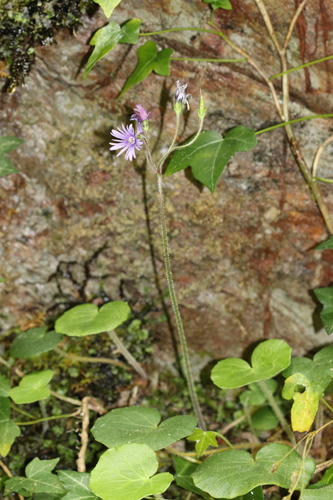
Soldanella, Genus, villosa, Species,
- Genus & species
hairy snowbell
Pyrenees and Cantabrian Mountains (northern Spain, southwestern France; moist alpine meadows, streamsides, shaded rock crevices)
Overview
Soldanella villosa is an evergreen herbaceous perennial in the primrose family (Primulaceae) reaching 6–10 inches (15–25 cm) tall in bloom with a foliage spread of 8–12 inches (20–30 cm). The habit is low and clump-forming. Native to the Pyrenees and Cantabrian Mountains of northern Spain and southwestern France, the species occurs in moist alpine meadows, along streams, and in shaded rock crevices at elevations of 4,000–7,000 feet (1,200–2,100 m). Rounded to kidney-shaped thick leathery dark green leaves 1–2 inches (2.5–5 cm) across are carried on petioles densely covered with long soft hairs (hence the species name villosa), with additional hair along the leaf undersides; this dense pubescence separates S. villosa from the glabrous petioles of S. alpina and S. montana. Nodding fringed bell-shaped flowers 0.5–0.75 inch (1–2 cm) long in lavender to violet, with deeply cut petal margins, appear on slender stems 4–8 inches (10–20 cm) tall in March–April. Growth rate is slow; plants reach full size in 2–3 growing seasons. Hardy to zone 5. Hot dry summers, full afternoon sun, and alkaline soils above pH 6.5 cause foliage scorch and decline.
Native Range
Soldanella villosa is native to the Pyrenees and Cantabrian Mountains of northern Spain and southwestern France, where it grows in moist alpine meadows, beside streams, and in shaded rock crevices at elevations of 4,000–7,000 feet (1,200–2,100 m).Suggested Uses
Grown in alpine gardens, troughs, shaded rock gardens, and woodland edges at 8–10 inch (20–25 cm) spacing. Container culture requires 1 gallon (4 L) or larger pots with humus-rich acidic mix, sited in morning sun with afternoon shade. The early bloom combines with snowdrops (Galanthus), Hepatica, and early Primula species. Hot dry climates, alkaline soils, full afternoon sun, and exposed sites produce foliage scorch and poor flowering.How to Identify
Appearance
Size & Dimensions
Height6" - 10"
Width/Spread8" - 1'
Bloom Information
Nodding fringed bell-shaped flowers 0.5–0.75 inch (1–2 cm) long in lavender to violet with deeply cut petal margins appear on slender 4–8 inch (10–20 cm) stems in March–April. Bloom duration is 2–3 weeks. Flower display is brief but comes before most other alpine perennials have broken dormancy.
Detailed Descriptions
Flower Description
Lavender to violet, nodding fringed bell-shaped 0.5-0.75 inch with deeply cut petal marginsFoliage Description
Dark green, rounded to kidney-shaped thick leathery 1-2 inches; petioles densely covered with long soft hairsGrowing Conditions
Sun Requirements
Requires 3-5 hours of direct sunlight daily
• Full Sun: 6+ hours of direct sunlight
• Partial Shade: 3-6 hours of direct sunlight
• Full Shade: Less than 3 hours of direct sunlight
Care & Maintenance
Care Guide
Grows in partial shade in moist humus-rich well-drained acidic soil at pH 5.0–6.5. Hardy to zone 5. Cool moist conditions match the alpine origin; hot dry summers and full afternoon sun cause scorch. Consistent moisture is required through the growing season, with leaf-mould or bark mulch 1–2 inches (2.5–5 cm) deep to maintain root zone cool. Alkaline soils above pH 6.5 cause chlorosis and decline. Pest and disease problems are rare in suitable sites.Pruning
Remove spent flower stems after bloom in late April or May. No other pruning is required; the evergreen rosette holds through the year.Container Growing
Suitable for container growing
Minimum container size: 1 gallons