Soldanella, Genus, spp., Multiple species,
- Genus
- Multiple species
alpine snowbell
Mountains of central and southern Europe
Overview
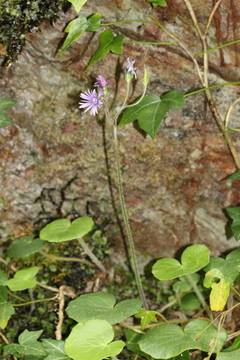
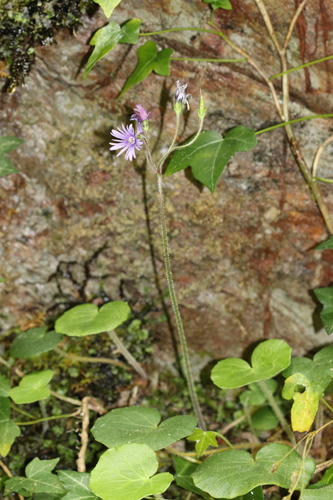
Soldanella is a genus of small evergreen perennials in the family Primulaceae, native to the mountains of central and southern Europe. Plants form low rosettes 2-6 inches (5-15 cm) tall and 4-8 inches (10-20 cm) wide, each rosette built from rounded to kidney-shaped leathery leaves 0.5-1.5 inches (1-4 cm) across on slender stalks. Leafless flower stems rise just above the foliage in early to mid spring, each carrying one to several nodding, bell-shaped flowers in lavender to violet-blue, their petal margins cut into a narrow fringe. Some species, such as S. alpina and S. montana, open their flowers as the snow recedes. The genus grows in cool, moist but sharply drained soils in alpine meadows and on rocky slopes. In gardens it needs a cool root run and resents heat and waterlogging, which limits it to cooler regions and raised gritty beds. Foliage stays green through winter where snow cover is reliable. Hardiness spans roughly USDA zones 4 to 7.
Native Range
Soldanella is native to the mountains of central and southern Europe, including the Alps, Pyrenees, Carpathians, and Balkan ranges. Species grow in alpine and subalpine meadows, on damp rocky slopes, and at the edges of melting snow.Suggested Uses
Used in rock gardens, alpine troughs, and raised gritty beds where cool, well-drained conditions can be maintained. Spaced 4-6 inches (10-15 cm) apart, rosettes form a low evergreen mat. The early flowers suit container culture in cold-climate alpine houses.How to Identify
Appearance
Size & Dimensions
Height2" - 6"
Width/Spread4" - 8"
Bloom Information
Flowering occurs in early to mid spring, generally March to May, often as alpine snow melts. Each stem carries one to several nodding fringed bells over a period of about three weeks. Bloom timing shifts later at higher elevations and in colder seasons.
Detailed Descriptions
Flower Description
Lavender to violet-blueFoliage Description
Dark greenGrowing Conditions
Sun Requirements
Requires 4-8 hours of direct sunlight daily
• Full Sun: 6+ hours of direct sunlight
• Partial Shade: 3-6 hours of direct sunlight
• Full Shade: Less than 3 hours of direct sunlight
Care & Maintenance
Care Guide
Plants grow in full sun to partial shade in cool climates, with light shade where summers are warm. They need gritty, humus-rich soil that stays moist in spring yet drains sharply, at a pH from 5.5 to 7.0. A cool root run is essential, and the genus declines in heat and in soils that stay wet through winter. A topdressing of grit around the rosettes keeps the crowns dry and reduces rot. Plants suit raised alpine beds, troughs, and rock gardens where drainage and cool conditions can be managed. Hardiness covers USDA zones 4 to 7.Pruning
No routine pruning is needed. Spent flower stems can be removed at the base once flowering finishes in late spring. Tired or rotted leaves are cleared from the rosettes to keep the crowns open.Pruning Schedule
Prune: May–June
late spring
Container Growing
Suitable for container growing
Minimum container size: 1 gallons