Overview
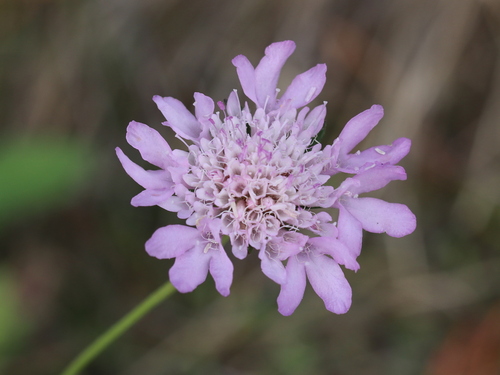
Sixalix atropurpurea, sweet scabious or pincushion flower, is an upright annual to short-lived perennial of the Mediterranean region, grown in gardens for its long succession of domed flower heads. It reaches 1.5-3 feet (45-90 cm) tall on slender, branching, wiry stems above a basal rosette of lobed, toothed leaves. From summer into fall it produces rounded flower heads 1.5-2 inches (4-5 cm) across, made of many small florets with protruding stamens that give a pincushion look. Colors range from deep crimson-purple to lilac, pink, and white, and the heads carry a sweet fragrance. Bees and butterflies visit freely, and cut stems last well in the vase. S. atropurpurea grows on well-drained, neutral to alkaline soil in full sun and tolerates heat and drought once established. It is short-lived and tends to flop without support on rich ground, and it self-sows freely, naturalizing as a weed in some mild regions.
Native Range
Native to the Mediterranean region of southern Europe and North Africa. It grows on dry, open, rocky and grassy ground and has naturalized in parts of North America, Australia, and other warm-temperate areas.Suggested Uses
Grown in cottage gardens, cutting gardens, mixed borders, and pollinator plantings for summer-long color. The long, wiry stems and lasting heads make it a staple cut flower. It also suits containers and dry, sunny beds where its drought tolerance is useful.How to Identify
Appearance
Size & Dimensions
Height1'6" - 3'
Width/Spread9" - 1'6"
Bloom Information
Detailed Descriptions
Flower Description
crimson-purple to lilac, pink, and whiteFoliage Description
greenGrowing Conditions
Sun Requirements
Requires 6-12 hours of direct sunlight daily
• Full Sun: 6+ hours of direct sunlight
• Partial Shade: 3-6 hours of direct sunlight
• Full Shade: Less than 3 hours of direct sunlight
Water & Climate
Water Needs
Drought Tolerance
Drought tolerant when established
Care & Maintenance
Care Guide
Grow in full sun on light, well-drained, neutral to alkaline soil; lean ground produces sturdier stems than rich, heavily fed soil. Sow seed indoors in late winter or outdoors after frost, setting plants out once the soil warms. Water moderately during dry spells, allowing the surface to dry between waterings, since the roots rot in soggy soil. Removing faded heads regularly keeps the plant flowering into fall. Taller stems may need light support on exposed or fertile sites. It self-sows where heads are left to ripen, returning from seed in mild climates.Pruning
Deadhead spent flower heads regularly to prolong bloom and limit self-sowing. Cutting stems for the vase has the same effect, encouraging fresh buds. At season end, plants are cleared once they decline, or cut back lightly where they persist as short-lived perennials.Container Growing
Suitable for container growing
Minimum container size: 3 gallons
Toxicity
Non-toxicPlanting Guide
Planting Methods & Timing
Planting Method
both
Indoor Start
6 weeks before last frost
Direct Sow Timing
after last frost
Days to Maturity
90–110 days
Plant Spacing
12 inches