Sixalix, Genus, spp., Multiple species,
- Genus
- Multiple species
sweet scabious
Mediterranean, southern Europe, North Africa, and southwestern Asia
Overview
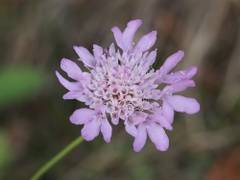
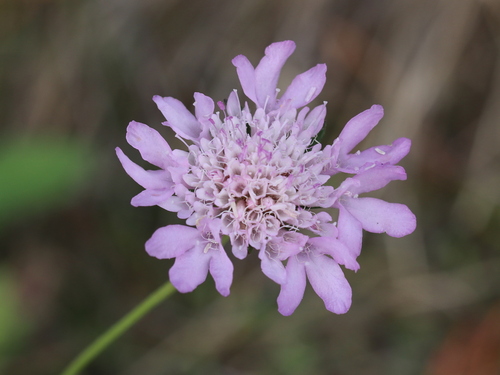
Sixalix is a genus of annual to short-lived perennial herbs in the honeysuckle family, segregated from Scabiosa and native to the Mediterranean region and nearby areas. The widely grown Sixalix atropurpurea, known as sweet scabious or pincushion flower, forms a basal rosette and branched, wiry stems 18-36 inches (45-90 cm) tall. Leaves are lance-shaped and toothed at the base, becoming pinnately lobed up the stem. Domed flower heads 1.5-2 inches (4-5 cm) across are carried on long stalks, each head packed with small florets surrounded by longer marginal flowers, in shades of deep maroon, purple, pink, lilac, and white. Protruding stamens give the heads a pincushion look. Flowering runs from early summer to fall, especially where spent heads are removed. The heads are followed by papery seed structures. Most plants are short-lived and rely on seed to persist. The wiry stems can flop in rich soil or wind without support.
Native Range
Sixalix is native to the Mediterranean region, southern Europe, North Africa, and southwestern Asia. It grows in open, sunny sites on dry, stony, often calcareous soils, including grassland, scrub, and disturbed ground. S. atropurpurea has naturalized in mild regions beyond its native range.Suggested Uses
Grown in cutting gardens, borders, and gravel or cottage-style plantings, spaced 10-12 inches (25-30 cm) apart, and the long-stemmed heads are used as cut flowers. The flowers attract bees and butterflies. The short life and tendency to flop leave it less suited to permanent, low-maintenance borders.How to Identify
Appearance
Size & Dimensions
Height1'6" - 3'
Width/Spread9" - 1'
Bloom Information
Flowering begins in early summer and continues into fall, often June through October, extending where faded heads are removed. Each head lasts one to two weeks, and a plant produces heads in succession over many weeks. Bloom slows in extreme summer heat and resumes as temperatures ease.
Detailed Descriptions
Flower Description
maroon, purple, pink, lilac, or whiteFoliage Description
greenGrowing Conditions
Sun Requirements
Requires 6-12 hours of direct sunlight daily
• Full Sun: 6+ hours of direct sunlight
• Partial Shade: 3-6 hours of direct sunlight
• Full Shade: Less than 3 hours of direct sunlight
Care & Maintenance
Care Guide
Sixalix grows in full sun on light, well-drained, neutral to alkaline soils and tolerates dry, stony ground once established. Wet, heavy soils, especially in winter, cause crown rot and shorten the plant's life. It is raised from seed, flowering the first year from an early sowing. Removing spent heads extends bloom and limits self-sowing. Aphids and powdery mildew can occur in crowded, still conditions. The wiry stems may need support in rich soil or exposed sites.Pruning
Deadheading spent flower heads through the season prolongs bloom and reduces self-seeding. Plants can be cut back by about one-third in midsummer to renew growth if they become straggly. Stems are cut to the base in late fall or early spring.Container Growing
Suitable for container growing
Minimum container size: 3 gallons
Toxicity
Non-toxicPlanting Guide
Planting Methods & Timing
Planting Method
transplant
Indoor Start
6 weeks before last frost
Plant Spacing
10 inches