Sida, Genus, spp., Multiple species,
- Genus
- Multiple species
sidas
Pantropical and warm-temperate, chiefly the Americas
SunFull Sun
Overview
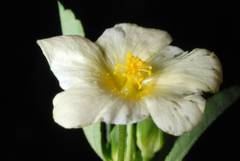
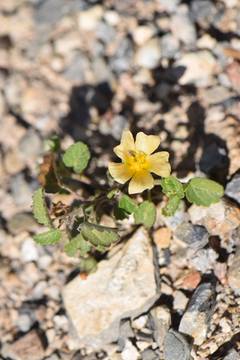
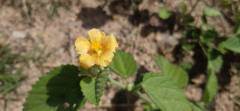
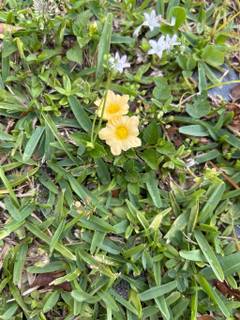
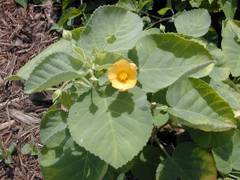
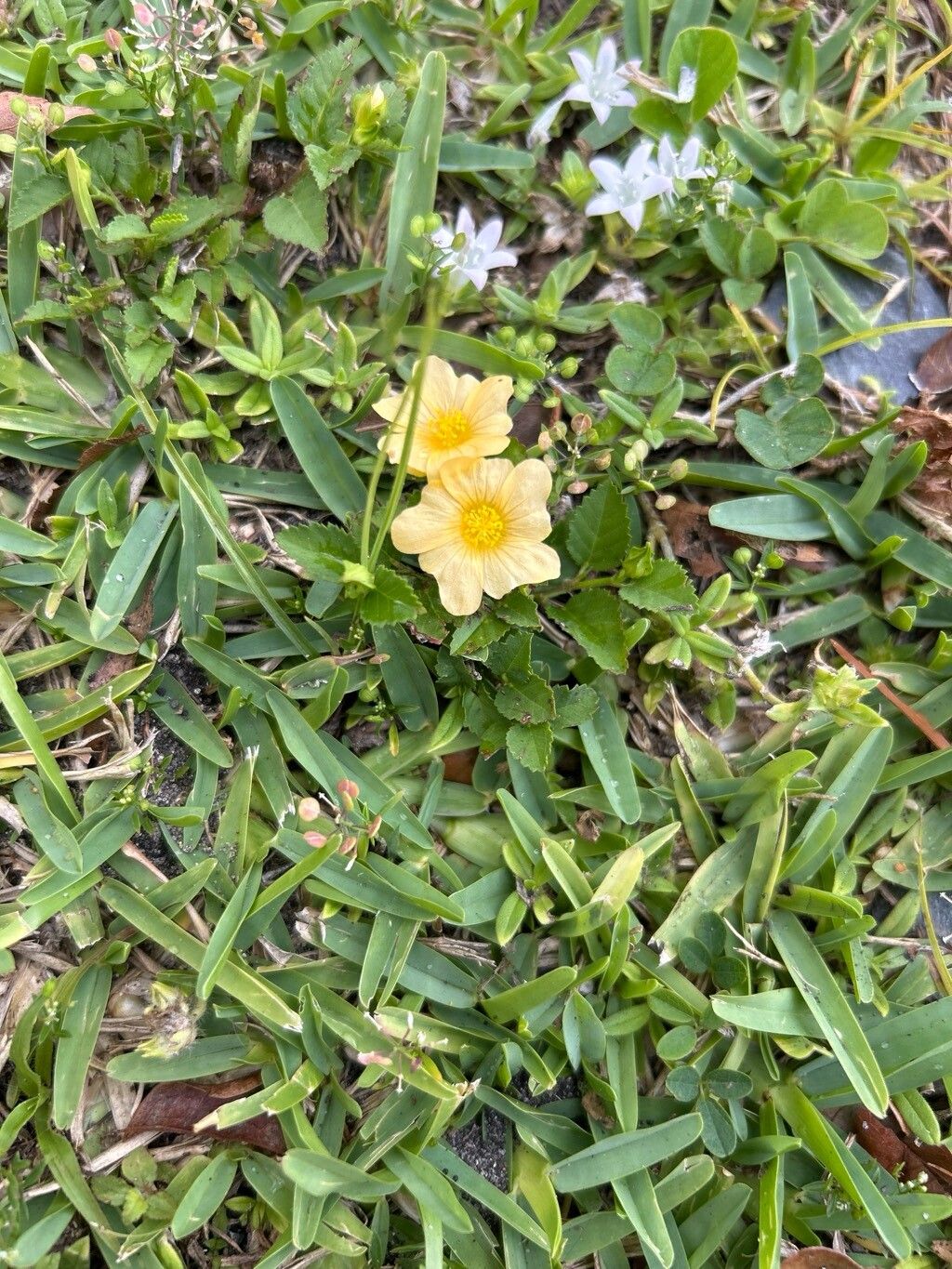
Sida is a genus of about 200 species of herbs and small shrubs in the family Malvaceae, distributed through tropical and warm-temperate regions worldwide, with many species in the Americas. Plants grow from 8 to 60 inches (20 to 150 cm) tall, with slender, often tough and wiry stems and alternate, toothed leaves that are lance-shaped to rounded and sometimes star-hairy. The five-petalled flowers are mallow-like and small, usually 0.2 to 0.8 inch (5 to 20 mm) across, in shades of yellow, cream, orange, or white, opening for part of the day. Each flower develops into a ring of wedge-shaped segments that split apart at maturity, scattering the seeds. S. rhombifolia and S. acuta are widespread, tough-stemmed plants used locally for fibre and folk medicine, and several species are aggressive weeds of pasture and cropland. The stems of some yield a strong bast fibre. A number of species contain ephedrine-type alkaloids and are toxic to grazing livestock. Most behave as short-lived perennials in frost-free areas and as annuals where winters are cold.
Native Range
Distributed pantropically and into warm-temperate zones, with the greatest diversity in the Americas. Several species, including S. rhombifolia and S. spinosa, occur natively or as naturalized weeds across the southern United States, the tropics, and Australia.Suggested Uses
Grown on a small scale for bast fibre and in traditional medicine in parts of Asia, Africa, and the Americas. In most regions the genus is encountered as a weed of pastures, crops, and disturbed land rather than as a garden plant. Some species are a nectar source for bees and small butterflies.How to Identify
Appearance
Size & Dimensions
Height8" - 5'
Width/Spread8" - 3'
Bloom Information
Detailed Descriptions
Flower Description
yellow, cream, orange, or whiteFoliage Description
greenGrowing Conditions
Sun Requirements
Requires 6-12 hours of direct sunlight daily
• Full Sun: 6+ hours of direct sunlight
• Partial Shade: 3-6 hours of direct sunlight
• Full Shade: Less than 3 hours of direct sunlight
Water & Climate
Water Needs
Drought Tolerance
Drought tolerant when established