Shibataea, Genus, spp., Multiple species,
- Genus
- Multiple species
Overview
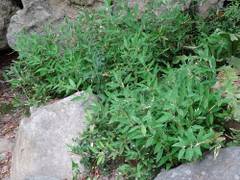
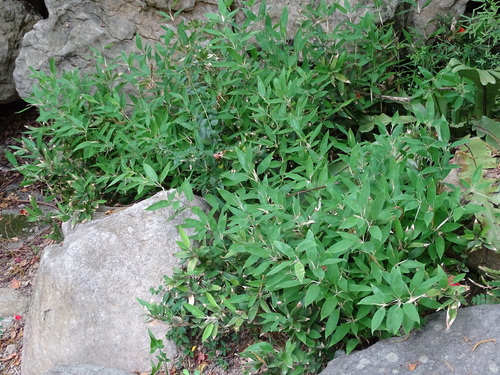
Shibataea is a genus of small running bamboos in the grass family, native to East Asia, with about seven species. Plants form low thickets of upright canes 1-6.5 feet (0.3-2 m) tall and 0.1-0.3 inch (3-8 mm) in diameter, spreading by underground rhizomes. The canes are flattened or grooved on one side and branch from the upper nodes, each node bearing a short cluster of two to five branches. Leaves are broadly lance-shaped to oval, 1.5-4 inches (4-10 cm) long and 0.4-1 inch (1-2.5 cm) wide, broader than those of most bamboos, deep green turning yellow-green in cold or dry conditions. Like other bamboos, plants flower only at long, irregular intervals of many years, after which the flowering canes often die. The running rhizomes spread steadily and can extend beyond the intended area without a barrier. Growth is dense and slow compared with larger running bamboos, forming a ground-covering mass 12-30 inches (30-75 cm) tall in cultivation.
Native Range
Shibataea is native to eastern China and Japan, where it grows in hill forests, forest margins, and on slopes in moist, humus-rich soils under light shade. S. kumasaca, widely grown in Japan, originates in eastern China.Suggested Uses
Grown as a low hedge, ground cover, and edging in shaded or woodland gardens, and in large containers where the rhizomes are confined, spaced 24-36 inches (60-90 cm) apart. The spreading rhizomes leave open-ground planting hard to contain without a barrier.How to Identify
Appearance
Size & Dimensions
Height1' - 6'6"
Width/Spread2' - 4'
Bloom Information
Like most bamboos, Shibataea flowers only at long and irregular intervals, sometimes many decades apart, so flowering is rarely seen in cultivation. When it occurs, plumes of grass-like flowers form over a season and the flowering canes usually weaken or die afterward. Mass flowering can occur across many plants of the same clone in the same year.
Detailed Descriptions
Foliage Description
deep greenGrowing Conditions
Sun Requirements
Requires 3-8 hours of direct sunlight daily
• Full Sun: 6+ hours of direct sunlight
• Partial Shade: 3-6 hours of direct sunlight
• Full Shade: Less than 3 hours of direct sunlight
Care & Maintenance
Care Guide
Grows in full sun to part shade in moist, fertile, well-drained soil and holds leaf color better with afternoon shade in hot climates. Hardy in USDA zones 6-9, with foliage damaged below about -5°F (-21°C) and canes cut back by hard freezes. The running rhizomes spread steadily, so a root barrier 24-30 inches (60-75 cm) deep contains them. Plants tolerate clipping and recover from cutting to the ground. Leaf scorch develops in dry wind and drought. Few pests affect the genus, though mites can occur in hot, dry sites.Pruning
Canes can be sheared to the ground in late winter to renew foliage, and plants regrow from the rhizomes in spring. Thinning old or weak canes maintains density. Cutting back errant rhizomes each year limits lateral spread.Container Growing
Suitable for container growing
Minimum container size: 10 gallons