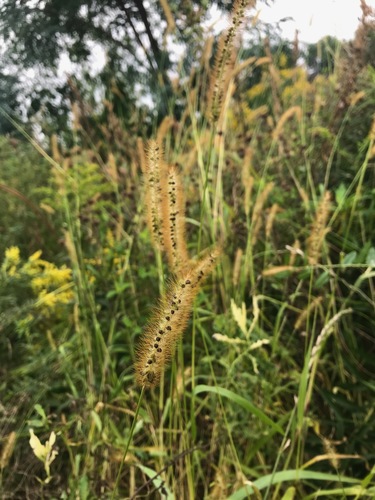
Overview
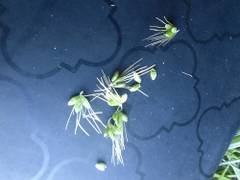
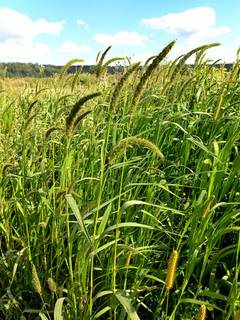
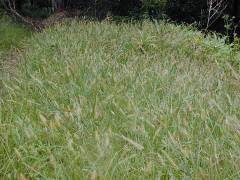
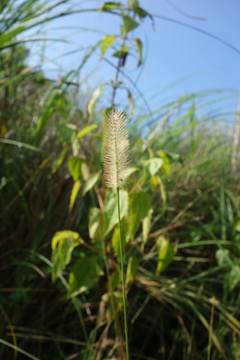
Setaria pumila is an annual grass of the grass family, growing 6-40 inches (15-100 cm) tall in loose tufts of upright to spreading stems. The flat leaf blades are 2-12 inches (5-30 cm) long and 0.1-0.4 inch (3-10 mm) wide, often twisted, with a few long hairs near the base of the blade. From midsummer to autumn each stem ends in a dense, cylindrical, spike-like flower cluster 1-4 inches (2.5-10 cm) long, set with stiff bristles that turn yellow to tawny brown as the seed ripens, giving the foxtail outline. Each plant produces hundreds to thousands of small seeds that persist in the soil for years. It germinates in warm soil and completes its life cycle in one season, dying with the first hard frost. It grows on cultivated fields, gardens, roadsides, and waste ground, tolerating heat, drought, and compacted soil, and is a common weed of crops and lawns where it competes with seedlings for water and nutrients.
Native Range
Native to Europe and temperate Asia. It has naturalized across North and South America, Africa, and Australia, becoming a widespread weed of farmland and disturbed ground.Suggested Uses
Rarely planted on purpose; it appears as a self-seeded weed of fields, gardens, and roadsides. The seed heads are eaten by seed-eating birds and small mammals where the grass is tolerated.How to Identify
Appearance
Size & Dimensions
Height6" - 3'4"
Width/Spread6" - 1'
Bloom Information
Detailed Descriptions
Flower Description
yellow to tawnyFoliage Description
greenGrowing Conditions
Sun Requirements
Requires 6-12 hours of direct sunlight daily
• Full Sun: 6+ hours of direct sunlight
• Partial Shade: 3-6 hours of direct sunlight
• Full Shade: Less than 3 hours of direct sunlight
Water & Climate
Water Needs
Drought Tolerance
Drought tolerant when established
Care & Maintenance
Care Guide
Grows in full sun on a wide range of soils, from sand to clay, at a pH of 5.5-7.5, and tolerates heat, drought, and compaction. As a warm-season annual, it germinates from seed in late spring once soils warm and needs no cultivation to thrive. It self-sows heavily, so removing plants before the seed heads ripen limits its spread. Dense shade and cold, wet soil slow germination and growth. It needs no fertilizer and competes strongly with crop and garden seedlings. Plants die at the first hard frost, leaving dry stems and a large seed bank.Pruning
No pruning is needed for this annual grass. Mowing or cutting before the seed heads mature reduces seeding and spread. Dead stems are cleared after frost once the season ends.Toxicity
Non-toxicPlanting Guide
Planting Methods & Timing
Planting Method
direct sow
Direct Sow Timing
late spring
Days to Maturity
50–90 days
Plant Spacing
6 inches