Image 1 of 6
1 / 6
Plant Reference
Sequoiadendron, Genus, giganteum, Species, 'Pendulum', Cultivar,
- Genus & species
- Cultivar
weeping giant sequoia
Cultivar of horticultural origin; species native to the western slope of the Sierra Nevada, California, at 4,600-7,050 feet (1,400-2,150 m)
Overview
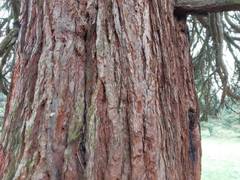
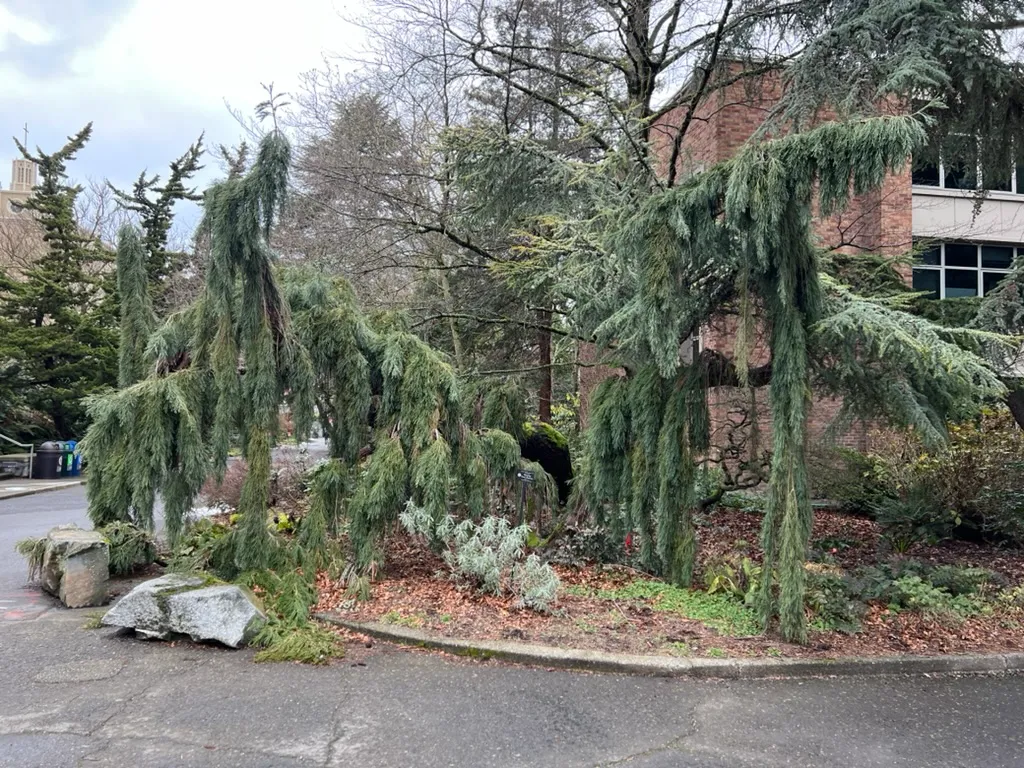
Sequoiadendron giganteum 'Pendulum' is weeping giant sequoia, an upright weeping evergreen coniferous tree growing 20-40 feet (6-12 m) tall and only 3-6 feet (0.9-1.8 m) wide. Blue-green awl-shaped scale-like foliage on rope-like pendant branchlets cascading from a sinuous upright trunk. In Cupressaceae. Pendulum = weeping. The trunk wanders and curves unpredictably — no two specimens look alike. The extremely narrow footprint (3-6 feet / 0.9-1.8 m) fits spaces where the species (60+ feet / 18+ m wide) cannot. Cinnamon-red spongy fire-resistant bark. Most specimens are grafted. Species native to the Sierra Nevada, California. No significant pest or disease issues. Non-toxic. Deer-resistant. Zones 6-9. Full sun. Growth rate is moderate.
Native Range
Cultivar of horticultural origin. Species native to the western slope of the Sierra Nevada, California, at 4,600-7,050 feet (1,400-2,150 m) in approximately 70 scattered groves.Suggested Uses
Grown as a narrow weeping specimen in residential gardens, spaced 3-6 feet (0.9-1.8 m) from adjacent plants. Extremely narrow footprint. No two specimens alike. Non-toxic. Not suitable for containers. Zones 6-9.How to Identify
Appearance
Size & Dimensions
Height20' - 40'
Width/Spread3' - 6'
Colors
Foliage Colors
Fall Foliage Colors
Reproduction
Monoecious. Yellow-green male strobili at branch tips in February-March. Ovoid brown cones 2-3 inches (5-7 cm), persisting on branches.
Detailed Descriptions
Foliage Description
Blue-green, awl-shaped scale-like, 0.1-0.3 inch (3-8 mm), tightly appressed in spirals on rope-like pendant branchlets; the foliage hangs in cascading curtains from a sinuous upright trunkGrowing Conditions
Sun Requirements
Requires 6-12 hours of direct sunlight daily
• Full Sun: 6+ hours of direct sunlight
• Partial Shade: 3-6 hours of direct sunlight
• Full Shade: Less than 3 hours of direct sunlight