Image 1 of 15
1 / 15
Plant Reference
Sequoiadendron, Genus, giganteum, Species,
- Genus & species
giant sequoia
Western slope Sierra Nevada, California; 4,600–7,050 feet (1,400–2,150 m)
Overview
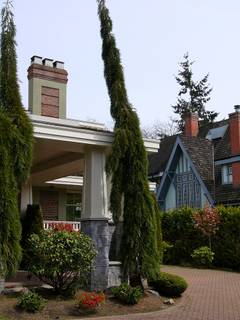
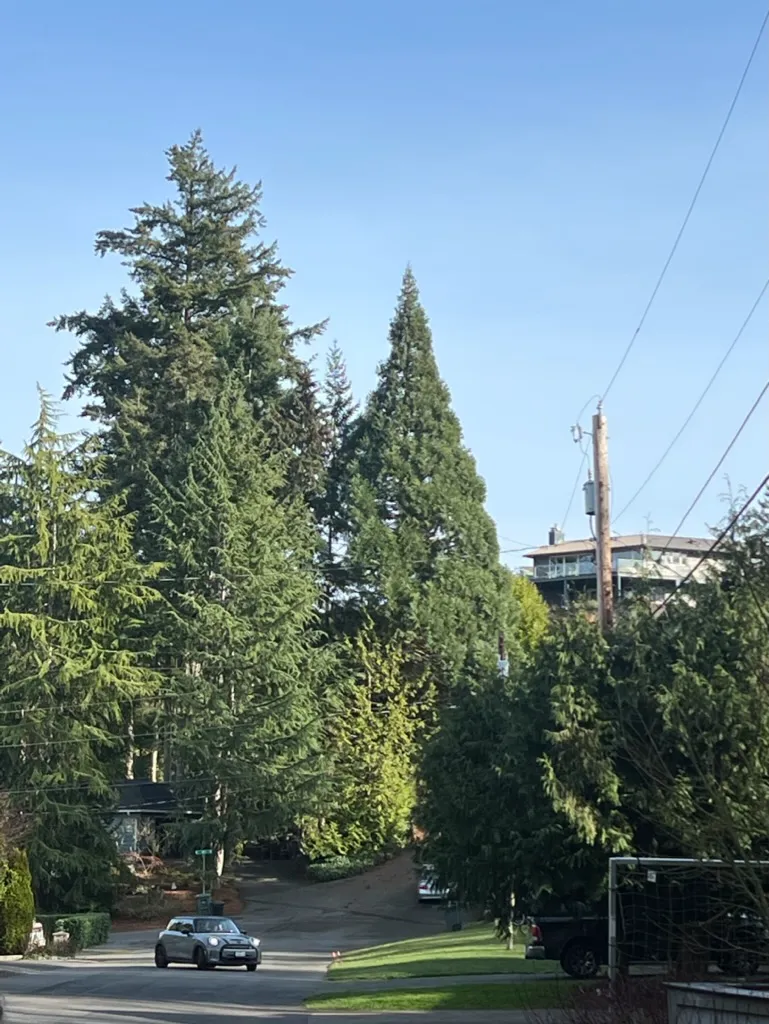
Sequoiadendron giganteum is a massive evergreen conifer native to the western slope of the Sierra Nevada, the largest tree species by volume on earth. Trees in cultivation reach 60–100 feet (18–30 m) tall and 20–35 feet (6–10.7 m) wide in 50–100 years; the largest natural specimens reach 274 feet (83.5 m) with trunk diameters exceeding 25 feet (7.6 m). Growth rate in Pacific Northwest cultivation is 18–36 inches (45–90 cm) per year on good sites. The crown is broadly conical with slightly drooping branch tips. Foliage is scale-like, awl-shaped, blue-green, 0.1–0.3 inch (3–8 mm) long, closely overlapping and spirally arranged, giving branches a rope-like appearance throughout the crown. Bark is very thick, 2–4 feet (60–120 cm) or more on the largest trees, fibrous, deeply furrowed, cinnamon to reddish-brown. Cones are ovoid, 2–3.5 inches (5–9 cm) long, green for 2 years before ripening to brown; cones persist on the tree for 20 years or more and open primarily in response to fire or heat. Unlike Sequoia sempervirens, this species does not sprout from the base after cutting.
Native Range
Sequoiadendron giganteum is native to approximately 65 isolated groves on the western slope of the Sierra Nevada, California, at elevations of 4,600–7,050 feet (1,400–2,150 m). It is not native to the Pacific Northwest.Suggested Uses
Planted as a large specimen tree in parks, institutional grounds, and large-scale landscapes, spaced 25–30 feet (7.6–9 m) from adjacent plants. Eventual height of 60–100 feet (18–30 m) or more in cultivation requires clearance from structures, power lines, and paved surfaces. The cinnamon-red bark and broadly conical crown with rope-like foliage provide year-round identification interest. Not appropriate for standard residential lots.How to Identify
Appearance
Size & Dimensions
Height60' - 100'
Width/Spread20' - 35'
Colors
Bloom Information
Male strobili are oval, yellow-green, at branch tips, releasing pollen in February–March. Female cones are ovoid, 2–3.5 inches (5–9 cm) long, green for the first 2 years, ripening to brown and persisting on the tree for 20 or more years. Cones open primarily after fire or heat exposure. Cone production begins at 20–40 years.
Detailed Descriptions
Flower Description
yellow-green (male strobili)Foliage Description
blue-greenGrowing Conditions
Sun Requirements
Requires 6-12 hours of direct sunlight daily
• Full Sun: 6+ hours of direct sunlight
• Partial Shade: 3-6 hours of direct sunlight
• Full Shade: Less than 3 hours of direct sunlight