Scapania, Genus, spp., Multiple species,
- Genus
- Multiple species
earworts
Northern Hemisphere (cool temperate, boreal, montane)
SunPart Shade – Full Shade
WaterHigh
Overview
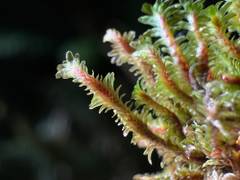
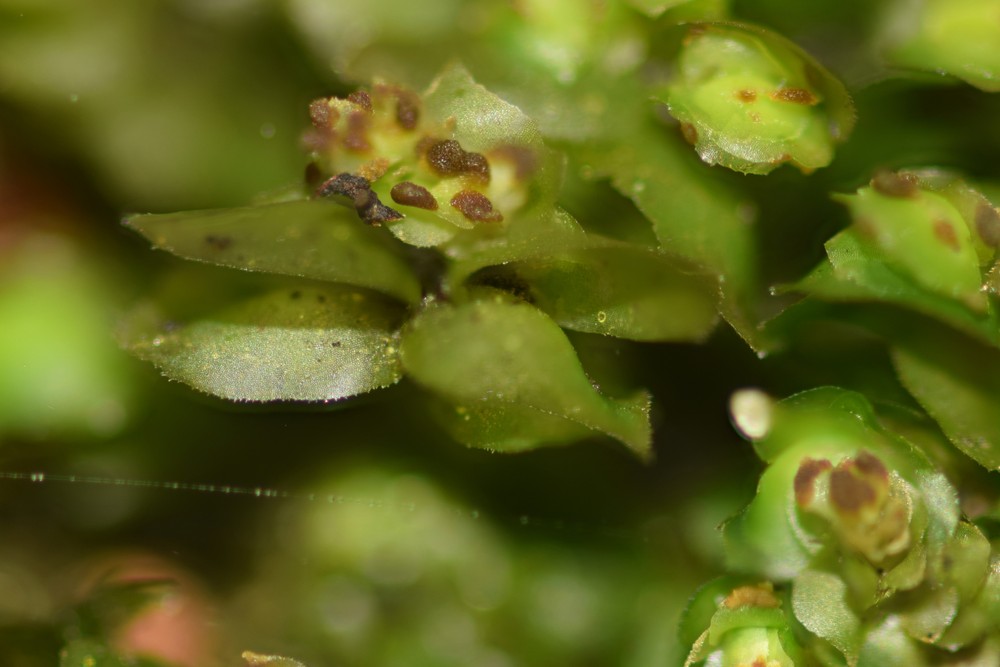
Scapania is a genus of leafy liverworts in the family Scapaniaceae, with many species growing on wet rock, soil, peat, and decaying wood in cool, moist habitats across the Northern Hemisphere and beyond. The creeping to ascending shoots are 0.4-4 inches (1-10 cm) long and bear leaves in two ranks, each leaf folded into two unequal lobes like a small open purse, with the smaller upper lobe folded over the larger lower one. Colour ranges from green to deep red-brown or purple, often darkest in exposed, high-light sites. The leaf margins may be smooth or toothed, a feature used to tell species apart. Scapania lacks the underleaves found in many other leafy liverworts. Plants grow in loose patches or wefts, frequently mixed with other bryophytes in flushes, on dripping rocks, and beside mountain streams. Reproduction is by spores from capsules on short translucent stalks and by green gemmae clustered at the shoot tips. The folded, two-lobed leaves give the shoots a flattened, scale-like outline. Several species are characteristic of acidic, metal-rich, or montane ground.
Native Range
Scapania is widespread in the Northern Hemisphere, with species across Europe, Asia, and North America, and some in the Southern Hemisphere. It grows on wet acidic rock, peaty soil, streamsides, and decaying wood, mostly in cool temperate, boreal, and mountain regions.Suggested Uses
Scapania species are used by ecologists as indicators of acidic, metal-rich, and undisturbed wet habitats. The genus is occasionally grown in humid terraria and bog gardens by bryophyte enthusiasts. It contributes to moss and liverwort communities that hold moisture and stabilise wet rock and peat.How to Identify
Appearance
Bloom Information
Liverworts do not flower. Scapania reproduces by spores released from capsules on short, pale, translucent stalks, ripening mainly in spring and summer, and by green gemmae produced in clusters at the shoot tips. Vegetative spread by gemmae and fragments is common.
Growing Conditions
Sun Requirements
• Full Sun: 6+ hours of direct sunlight
• Partial Shade: 3-6 hours of direct sunlight
• Full Shade: Less than 3 hours of direct sunlight
Water & Climate
Water Needs