Diplophyllum, Genus, spp., Multiple species,
- Genus
- Multiple species
Northern Hemisphere, montane and temperate
SunPart Shade – Full Shade
WaterHigh
Overview
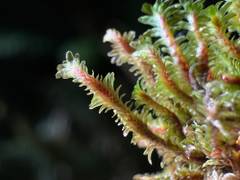
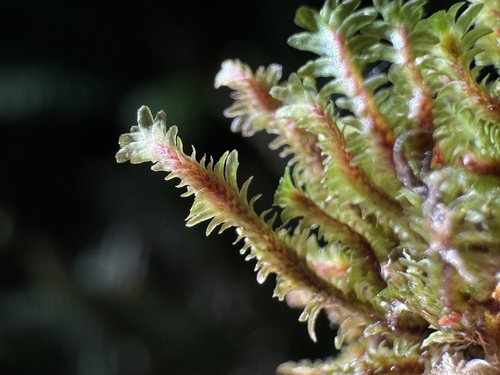
Diplophyllum is a genus of small leafy liverworts in the family Scapaniaceae, found across temperate and montane regions of the Northern Hemisphere and beyond. Plants form thin green to brownish patches or turfs on acidic rock, peaty soil, and rotting wood, the shoots 0.4-2.4 inches (1-6 cm) long and creeping to ascending. Each leaf is folded into two unequal lobes (complicate-bilobed), the smaller upper lobe lying over the larger lower one, a structure shared with the related genus Scapania. In D. albicans the leaves carry a pale central band of narrow cells (a vitta) visible under a lens. As leafy liverworts the plants have no roots or vascular tissue, taking up water across the whole surface and reproducing by spores from small capsules and by vegetative gemmae. Growth is confined to humid, shaded, acidic microsites and slows or stops when the surface dries.
Native Range
Diplophyllum occurs widely across the Northern Hemisphere, in Europe, Asia, and North America, with species reaching montane and arctic zones. Plants favour cool, humid, acidic habitats on rock, soil, and decaying wood.Suggested Uses
Grown on shaded acidic rockwork, in moss and liverwort gardens, and in terrariums for low green ground cover. The creeping turfs suit damp stone, peat banks, and decaying logs in cool shade.How to Identify
Growing Conditions
Sun Requirements
Tolerates up to 3 hours of direct sunlight daily
• Full Sun: 6+ hours of direct sunlight
• Partial Shade: 3-6 hours of direct sunlight
• Full Shade: Less than 3 hours of direct sunlight
Water & Climate
Water Needs
Care & Maintenance
Care Guide
Diplophyllum grows in cool, humid, shaded conditions on acidic rock, peat, and rotting wood, where surface moisture is reliable. Plants tolerate brief drying and revive on rewetting, but sustained growth needs steady humidity. Lime-rich or fertile substrates and standing water are unsuitable, and dense competing vegetation crowds the small shoots. In cultivation on shaded acidic rockwork or in terrariums, patches spread from fragments and gemmae pressed onto a damp surface. Growth is slow, with shoots extending a short distance each year.Pruning
Diplophyllum needs no pruning. Browned or overgrown patches can be thinned to expose living green shoots, and competing plants cleared from around the colony.Container Growing
Suitable for container growing