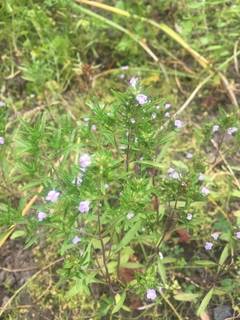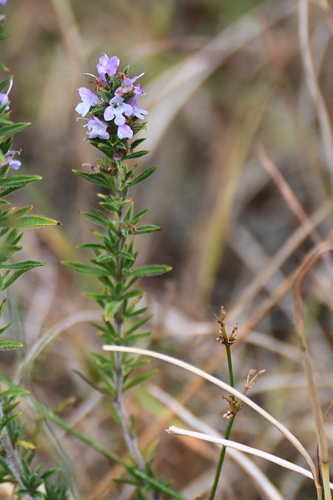
Satureja, Genus, montana, Species,
- Genus & species
winter savory
Mediterranean region: southern Europe (Balkans, Italy, Spain) and North Africa
Overview
Satureja montana is a semi-evergreen perennial subshrub in the family Lamiaceae reaching 10-15 inches (25-38 cm) tall and 12-18 inches (30-45 cm) wide with a compact mounding woody habit. The species is native to the Mediterranean region (southern Europe and North Africa) and produces small narrow stiff glossy dark green leaves 0.5-0.75 inch (1-2 cm) long on woody branching stems. Flavor is sharp, pungent, and peppery, stronger than summer savory (S. hortensis), with pronounced thyme and oregano notes. Hardy to zone 5. The woody base becomes increasingly bare over time, and plants benefit from hard rejuvenation pruning in early spring or replacement every 3-4 years. Growth rate is slow. Drought-tolerant and adapted to poor rocky well-drained soils.
Native Range
Satureja montana is native to the Mediterranean region: southern Europe (particularly the Balkans, Italy, Spain) and North Africa.Suggested Uses
Grown in herb gardens, rock gardens, or containers for culinary use: bean dishes, slow-cooked stews, sausages, dried herb blends, and stuffings. Sharper peppery flavor than summer savory. Perennial in zone 5 and returns yearly. Compact mounding habit. Drought-tolerant and adapted to poor rocky soil. Holds flavor in dried form. The woody base becomes bare and requires hard annual pruning or replacement every 3-4 years. Slow growing.How to Identify
Appearance
Size & Dimensions
Height10" - 1'3"
Width/Spread1' - 1'6"
Bloom Information
Small white to pale lilac flowers in whorls along upper stems from midsummer through early fall. Flowers attract pollinators including bees. Flavor is strongest just before flowering.
Detailed Descriptions
Flower Description
White to pale lilac; small whorls; midsummer to early fallFoliage Description
Dark green; small narrow stiff glossy 0.5-0.75 inch (1-2 cm); on woody stems; semi-evergreenGrowing Conditions
Sun Requirements
Requires 6-10 hours of direct sunlight daily
• Full Sun: 6+ hours of direct sunlight
• Partial Shade: 3-6 hours of direct sunlight
• Full Shade: Less than 3 hours of direct sunlight
Care & Maintenance
Care Guide
Started from seed indoors 6-8 weeks before the last frost (slow germination), or from cuttings or division. Well-drained lean rocky or sandy soil at pH 6.5-7.5. Full sun. Drought-tolerant; overwatering causes lanky growth. Hardy perennial in zone 5. Hard pruning in early spring prevents a leggy bare woody base. Plants are replaced every 3-4 years when the center becomes too woody. Harvest takes stems above woody growth.Pruning
Cut back hard in early spring to 3-4 inches (8-10 cm) above the woody base to promote fresh growth. Spent flower stalks are removed. Plants are replaced every 3-4 years when the woody base dominates.Pruning Schedule
Prune: March–April
early spring
Container Growing
Suitable for container growing
Minimum container size: 2 gallons