Satureja, Genus, hortensis, Species,
- Genus & species
summer savory
Native to Mediterranean region (Italy, Greece, the Balkans) and western Asia (Turkey, the Caucasus, northern Iran); commercially grown across Europe, North America, and the Mediterranean basin with concentrated production in central Europe supporting Bohnenkraut culinary tradition
Overview
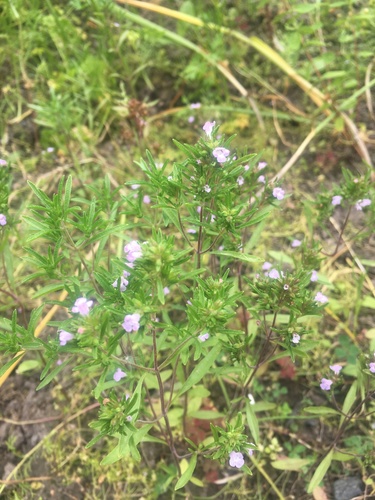
Satureja hortensis is a warm-season annual culinary herb in the mint family (Lamiaceae) reaching 12–18 inches (30–45 cm) tall and 8–12 inches (20–30 cm) wide in an upright bushy branching habit. The species is native to the Mediterranean region and western Asia and produces narrow linear dark green leaves 0.5–1 inch (1–2.5 cm) long on slender often bronze-tinged stems. The leaves carry a warm peppery thyme-like flavor with hints of oregano and marjoram — the dominant volatile compounds are carvacrol and thymol (the same essential-oil components that give thyme its characteristic flavor), but the cultivar runs higher in lighter monoterpene compounds that produce the sweeter softer fresh-eating profile compared to the stronger sharper flavor of perennial winter savory (Satureja montana). Known in German cuisine as Bohnenkraut ('bean herb'), the species is the traditional seasoning for dried bean and lentil dishes across central and eastern European culinary traditions, where the carvacrol-rich essential oil counteracts the digestive heaviness associated with legume preparations. Days to first leaf harvest run 50–70 from seed sowing. Growth rate runs moderate. Soft tender stems and leaves run more delicate than the stiff leathery foliage of winter savory and process more easily in fresh culinary applications. Frost kills the plant — outdoor growing is restricted to the frost-free portion of the year. Not known to be toxic to pets or humans.
Native Range
Satureja hortensis is native to the Mediterranean region (Italy, Greece, the Balkans) and western Asia (Turkey, the Caucasus, northern Iran), where wild populations occur on rocky hillsides and dry open ground from sea level to approximately 5,000 feet (1,500 m) elevation. The species is grown commercially as a culinary herb across Europe, North America, and the Mediterranean basin, with concentrated production in central Europe (Germany, Austria, the Czech Republic) where the Bohnenkraut culinary tradition supports continued large-scale cultivation.Suggested Uses
Grown in herb gardens, container plantings (2+ gallon containers), and kitchen-garden borders for culinary use across bean and lentil dishes (the traditional German Bohnenkraut application — added at the start of cooking to counteract digestive heaviness), sausages and charcuterie, poultry stuffings, egg dishes, herb-compound butters, herb-infused vinegar, and bouquet garni preparations. The warm peppery thyme-like flavor with hints of oregano and marjoram pairs particularly well with white beans, fava beans, lentils, fresh sausages, and roasted poultry. Summer savory is used fresh in most culinary contexts — the soft tender leaves process easily into fresh herb pastes and chopped garnishes — while winter savory (S. montana) is more often used dried, where the stiffer leaves rehydrate into long-cooking stews and braises. The species dries well for off-season storage, retaining 60–70 percent of fresh-leaf flavor when air-dried at low temperature for 7–10 days. Outdoor growing requires the warm-season window between last frost and first hard frost; the species is unsuitable for perennial herb gardens (annual only) and for situations requiring a sharper stronger flavor than the milder profile of S. hortensis — winter savory (S. montana) is the perennial sharper-flavored alternative.How to Identify
Appearance
Size & Dimensions
Height1' - 1'6"
Width/Spread8" - 1'
Bloom Information
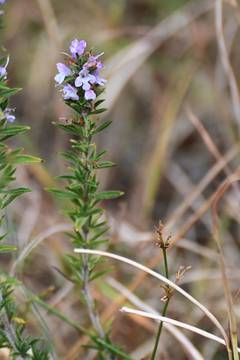
Small white to pale pink or lavender flowers appear in whorls along the upper stems from midsummer through the first hard frost — typically July through October in temperate continental climates. Flowers attract honeybees, native bees, and hoverflies during the bloom window. Leaf flavor is strongest just before flower opening, when the essential-oil concentration in the leaves runs highest before the metabolic shift to flowering and seed production. Pinching flower spikes as they appear extends the leaf-harvest window by 3–4 weeks across the late-season growth period.
Detailed Descriptions
Flower Description
White to pale pink or lavender; small whorls along upper stems; midsummer through first hard frostFoliage Description
Dark green; narrow linear 0.5-1 inch long; opposite on slender often bronze-tinged square stems; warm peppery thyme-like aroma when crushed (carvacrol and thymol dominant)Growing Conditions
Sun Requirements
Requires 6-10 hours of direct sunlight daily
• Full Sun: 6+ hours of direct sunlight
• Partial Shade: 3-6 hours of direct sunlight
• Full Shade: Less than 3 hours of direct sunlight
Care & Maintenance
Care Guide
Direct sow seeds outdoors after the last frost date, or start indoors in cell trays 4–6 weeks before the last frost date for transplanting after frost danger has passed. The species requires light for germination — surface-sow the seeds and press into the soil surface without covering, since seed buried even 0.25 inch deep germinates poorly or not at all. Grow in full sun with 6 or more hours of direct light in well-drained lean to moderate soil at pH 6.5–7.5; the species runs better in lower-fertility soils than in rich garden loam, where excessive nitrogen produces lush foliage with diluted essential-oil concentration. Drought-tolerant once established. Days to first leaf harvest run 50–70 from seed. Harvest leaves before flowering for peak essential-oil flavor. Pinch growing tips above a leaf node every 1–2 weeks across the growing season to encourage bushy branching and to delay flowering. Frost kills the plant — outdoor growing runs from after-last-frost in spring to the first hard frost in autumn.Pruning
Pinch growing tips above a leaf node every 1–2 weeks across the growing season to encourage bushy lateral branching and to delay flowering. Harvest by cutting whole stems 4–6 inches above the soil — the cut stems regrow new lateral branches within 2–3 weeks. Cut no more than one-third of the plant biomass at any single harvest, allowing the remaining stems to continue photosynthesis and regrowth. After the first hard frost, the entire plant is composted or pulled and removed from the bed.Pruning Schedule
Prune: June–August
summer
Container Growing
Suitable for container growing
Minimum container size: 2 gallons