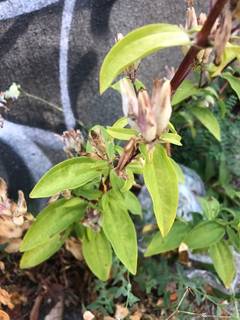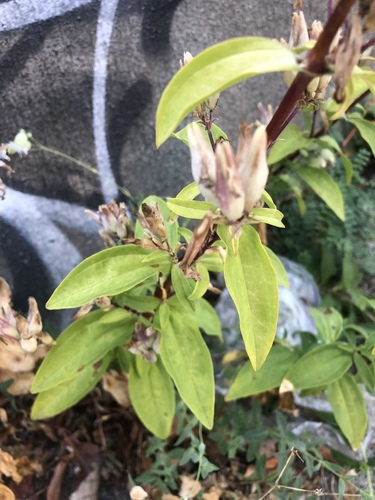
Saponaria, Genus, spp., Multiple species,
- Genus
- Multiple species
soapwort
Europe, Mediterranean, and temperate Asia
Overview
Saponaria is a genus of around thirty species of annual, biennial, and perennial herbs in the pink family (Caryophyllaceae), native to Europe, the Mediterranean, and temperate Asia. Plants range from upright clumps 1-3 ft (30-90 cm) tall, as in the spreading S. officinalis, to low trailing mats a few inches high, as in S. ocymoides. The paired, smooth-edged leaves are 1-3 in (2.5-8 cm) long on jointed stems. Clusters of five-petalled flowers, 0.5-1 in (12-25 mm) across in pink, rose, or white, open from late spring through summer and are lightly fragrant in some species. The roots, leaves, and stems are rich in saponins and produce a lather in water, the source of the name soapwort. Upright species such as S. officinalis spread by creeping roots and can become invasive, while the mat-forming species stay compact. Plants grow easily on poor, free-draining soils in sun.
Native Range
Saponaria is native to Europe, the Mediterranean Basin, and temperate Asia, with the centre of diversity around the mountains of southern Europe and western Asia. Species grow on rocky slopes, scree, grassland, and disturbed ground, and S. officinalis has naturalized widely beyond its range.Suggested Uses
Grown in cottage, rock, and gravel gardens, on walls and banks, and in wildlife plantings, with mat-forming species spilling over rocks and edges. Spreading species suit naturalized or rough ground where their running habit is welcome.How to Identify
Appearance
Size & Dimensions
Height3" - 3'
Width/Spread1' - 2'
Bloom Information
Flowering runs from late spring through summer, roughly May to September depending on species, with pink to white flowers in branched clusters. Mat-forming species bloom heavily in late spring, while S. officinalis flowers over a long summer season.
Detailed Descriptions
Flower Description
pink to whiteFoliage Description
greenGrowing Conditions
Sun Requirements
Requires 5-10 hours of direct sunlight daily
• Full Sun: 6+ hours of direct sunlight
• Partial Shade: 3-6 hours of direct sunlight
• Full Shade: Less than 3 hours of direct sunlight
Care & Maintenance
Care Guide
Saponaria grows in full sun to light shade on free-draining, lean soils, including sandy, gravelly, and rocky ground, and tolerates drought once established. A soil pH near 6.0-7.5 is suitable, and the genus accepts slightly alkaline conditions. Upright running species such as S. officinalis spread vigorously by root and seed and can overrun beds, so they suit rough areas more than tidy borders. Rich, wet soils cause weak, floppy growth. Cutting back after the first flush can prompt a lighter rebloom.Pruning
Cut plants back after the main flowering to tidy growth and encourage a second flush, and shear mat-forming species lightly once blooming ends. Lift and divide spreading species to control their running roots.Pruning Schedule
Prune: August
summer
Container Growing
Suitable for container growing
Minimum container size: 2 gallons