Image 1 of 7
1 / 7
Plant Reference
Santolina, Genus, chamaecyparissus, Species,
- Genus & species
cotton vavender
Western and central Mediterranean — Spain, Portugal, Italy, and North Africa; dry rocky slopes, garrigue, and coastal scrubland
Overview
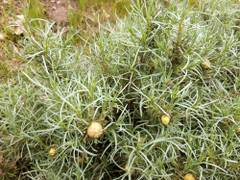
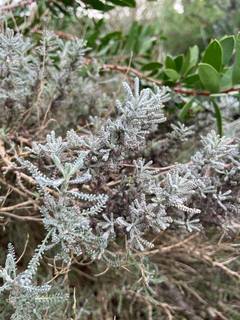
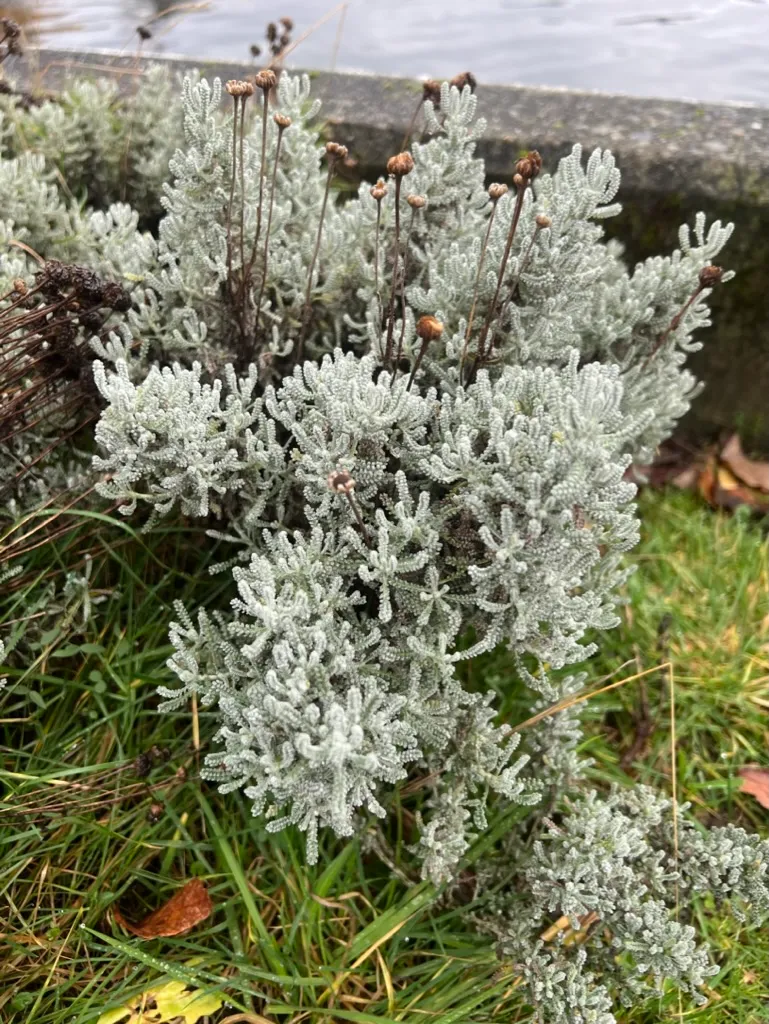
Santolina chamaecyparissus is cotton lavender (lavender cotton), a mounding evergreen shrub growing 18-24 inches (45-60 cm) tall and 24-36 inches (60-90 cm) wide. Bright yellow button-shaped flowers 0.5-0.75 inch (1.3-2 cm) on stiff stems in June-July (5 weeks). Silver-gray densely woolly aromatic foliage pinnately divided into tiny bead-like segments. In Asteraceae. Chamaecyparissus = dwarf cypress (the foliage resembles miniature cypress sprays). Native to the western Mediterranean. Cut back by one-third to one-half in early spring — without annual shearing, the center becomes open and woody. Short-lived (3-5 years). This annual shearing requirement and the short lifespan are the primary maintenance considerations. Root rot in wet winter soil. Historically a moth repellent. Tolerates chalk, sandy, and rocky soil. Deer-resistant. Non-toxic. Zones 6-9. Full sun. Growth rate is moderate.
Native Range
Native to the western and central Mediterranean — Spain, Portugal, Italy, and North Africa. Found on dry rocky slopes, garrigue, and coastal scrubland.Suggested Uses
Grown as a silver foliage accent, low hedge, in knot gardens, and in containers of at least 3 gallons (11 L), spaced 24-36 inches (60-90 cm). Silver foliage. Moth repellent. Annual shearing required. Non-toxic. Zones 6-9.How to Identify
Appearance
Size & Dimensions
Height1'6" - 2'
Width/Spread2' - 3'
Bloom Information
Early to midsummer (June-July). Bright yellow button-shaped (discoid) flowers 0.5-0.75 inch (1.3-2 cm) solitary on stiff stems 6-8 inches (15-20 cm) above foliage. 5 weeks. Bee- and butterfly-visited. Many gardeners remove the flowers to maintain the silver foliage effect.
Detailed Descriptions
Flower Description
Bright yellow, button-shaped (discoid — no ray florets), 0.5-0.75 inch (1.3-2 cm), solitary on stiff stems 6-8 inches (15-20 cm) above the foliage; June-July; many gardeners remove the flower stems (the yellow buttons clash with the silver foliage)Foliage Description
Silver-gray, densely woolly, pinnately divided into tiny bead-like segments 0.1 inch (2-3 mm), aromatic (pungent camphor-like scent); chamaecyparissus = dwarf cypress — the tiny divided foliage resembles miniature cypress sprays; evergreen year-roundGrowing Conditions
Sun Requirements
Requires 6-12 hours of direct sunlight daily
• Full Sun: 6+ hours of direct sunlight
• Partial Shade: 3-6 hours of direct sunlight
• Full Shade: Less than 3 hours of direct sunlight
Care & Maintenance
Care Guide
Full sun (6-12 hours). Well-drained sandy, chalky, or rocky soil pH 6.0-8.0. Sharp drainage — root rot in wet winter soil. Drought-tolerant. Cut back by one-third to one-half in early spring (March-April). Short-lived (3-5 years). Non-toxic. Deer-resistant. Zones 6-9.Pruning
Cut back by one-third to one-half in early spring (March-April) before new growth to maintain compact dense form. Without annual shearing, the center becomes open and woody. Remove flower stems before or after bloom if silver-only effect is desired.Pruning Schedule
Prune: March–April
early spring
Container Growing
Suitable for container growing
Minimum container size: 3 gallons