Sanguisorbia, Genus, spp., Multiple species,
- Genus
- Multiple species
burnet
Overview
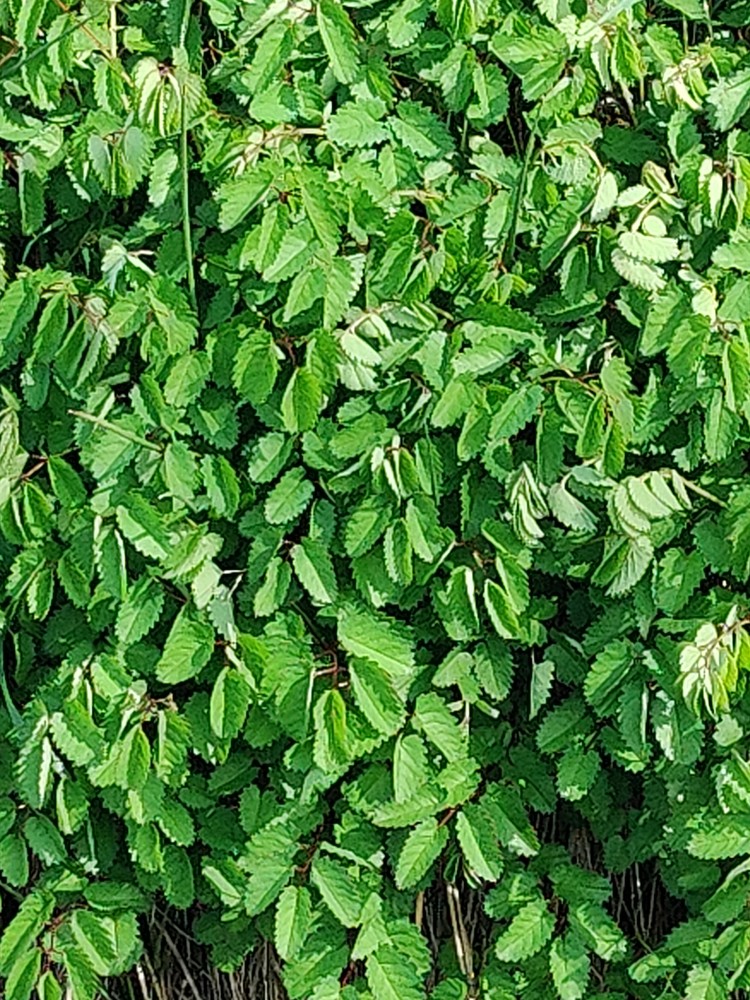
Sanguisorba is a genus of about 20-30 herbaceous perennials in the rose family (Rosaceae), widespread across temperate regions of the northern hemisphere. The genus ranges from compact plants 12 inches (30 cm) tall to robust species reaching 5-6 feet (1.5-1.8 m), forming clumps 12-36 inches (30-90 cm) wide from a woody rootstock. The leaves are pinnately compound with oval, toothed leaflets, often blue-green, forming a basal mound from which wiry, branching flower stems rise. The flowers lack petals and are packed into dense bottlebrush or button-like spikes 0.5-3 inches (1.5-8 cm) long, the color coming from the sepals and protruding stamens, in white, greenish, pink, red, or deep burgundy depending on the species. Bloom runs from early summer into autumn, with airy spikes that sway on slender stems. Foliage dies back to the ground in winter. Taller species in rich, moist soil tend to lean and may need support, and most resent prolonged drought, scorching and going dormant early in dry ground; the leaves of S. minor are edible with a cucumber flavor.
Native Range
Native across the temperate northern hemisphere, including Europe, temperate Asia, and North America. Species grow in damp meadows, streamsides, marsh edges, and moist grassland, generally in sun or light shade on retentive soils.Suggested Uses
Grown in moist borders, prairie- and meadow-style plantings, rain gardens, and beside ponds and streams, spaced 18-30 inches (45-75 cm) apart. The airy flower spikes suit naturalistic schemes and combine with grasses, Persicaria, and other moisture-loving perennials. S. minor is grown in herb gardens for its edible cucumber-flavored leaves.How to Identify
Appearance
Size & Dimensions
Height1' - 6'
Width/Spread1' - 3'
Bloom Information
Flowering spans early summer to autumn, roughly June to September, varying with species; early-summer bloomers such as S. officinalis differ from later ones. Individual spikes hold for several weeks. The dried seedheads persist on the stems into winter in many species.
Detailed Descriptions
Flower Description
white, pink, red, or burgundyFoliage Description
blue-greenGrowing Conditions
Sun Requirements
Requires 5-9 hours of direct sunlight daily
• Full Sun: 6+ hours of direct sunlight
• Partial Shade: 3-6 hours of direct sunlight
• Full Shade: Less than 3 hours of direct sunlight
Care & Maintenance
Care Guide
Grows in full sun to part shade in moist, fertile, retentive soil with a pH from 5.5 to 7.5; most species need ground that does not dry out. Regular moisture supports lush growth, while drought causes leaf scorch and early dormancy. In rich soil the tall species grow lax and lean, so support or closely spaced neighbors keep stems upright. Established clumps are long-lived and need little feeding. Division every 3-4 years in spring or autumn keeps them vigorous. Few pests trouble the genus, though powdery mildew can appear in dry summers.Pruning
Spent flower stems are cut back after bloom to limit self-seeding, or left standing for their seedheads and winter form. Old top-growth is removed to ground level in late autumn or early spring. Division in spring or autumn renews crowded or floppy clumps.Pruning Schedule
Prune: March & November
fallearly spring
Container Growing
Suitable for container growing
Minimum container size: 3 gallons