Image 1 of 4
1 / 4
Plant Reference
Sanguisorbia, Genus, hakusanensis, Species, 'Lilac Squirrel', Cultivar,
- Genus & species
- Cultivar
pink squirrel tails
Honshu, Japan — alpine and subalpine meadows (Mt. Hakusan type locality, Ishikawa, Toyama, Gifu prefectures)
Overview
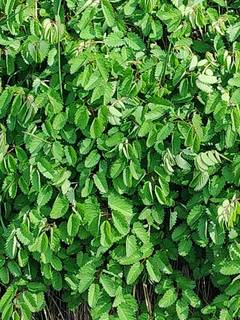
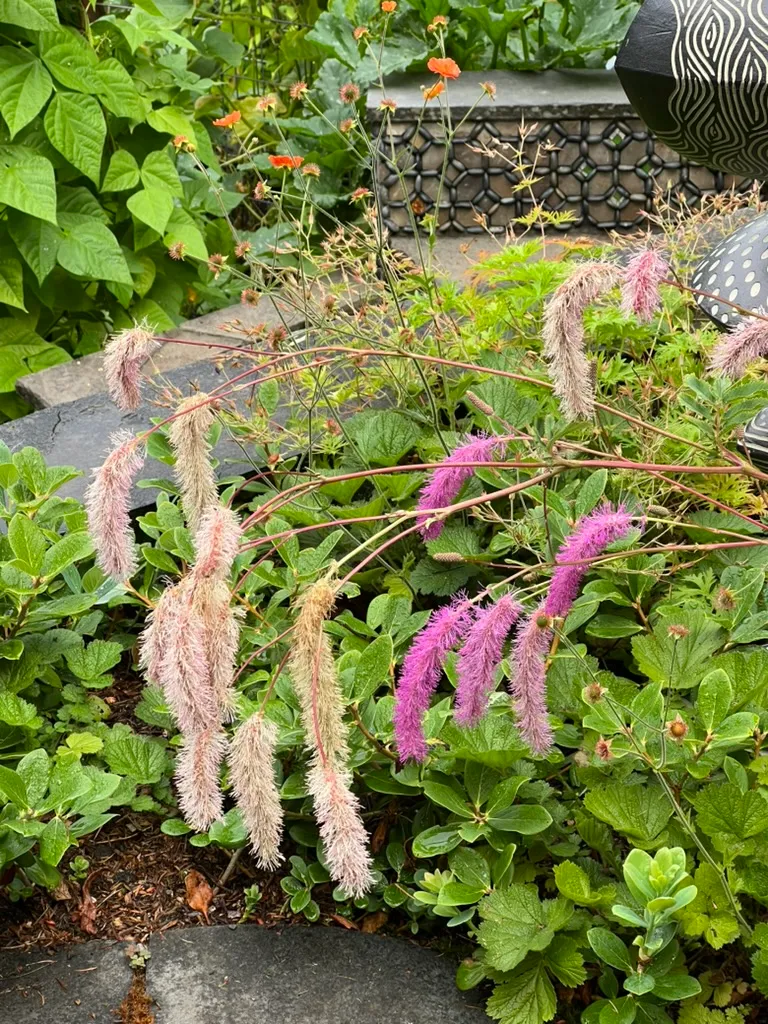
Sanguisorba hakusanensis 'Lilac Squirrel' is pink squirrel tails, a deciduous perennial growing 24-36 inches (60-90 cm) tall and 18-24 inches (45-60 cm) wide. Pendant cylindrical fluffy lavender-pink to lilac flower heads 2-4 inches (5-10 cm) of dense stamens (no petals) nodding on wiry stems from July through September — the 'squirrel tail' common name references the fluffy pendant shape. Blue-green pinnately compound leaves with 9-13 broadly ovate toothed leaflets, each 1-2 inches (2.5-5 cm). In the rose family (Rosaceae). The genus name Sanguisorba means 'blood absorber' (Latin sanguis + sorbere), referencing historic use as a wound styptic. The species is named after Mt. Hakusan (Ishikawa Prefecture, Japan) where the type specimen was collected. A key plant in naturalistic planting design (associated with Piet Oudolf and the New Perennial movement). The dried heads persist through fall and winter. Consistent moisture — native to moist alpine meadows. Intolerant of drought and dry soil. Yellow-orange fall foliage. Divide every 3-4 years in spring or fall. Non-toxic. Deer-resistant. Part sun to full sun. Zones 4-8. Growth rate is moderate.
Native Range
The species S. hakusanensis is native to alpine and subalpine meadows of Honshu, Japan (Mt. Hakusan type locality, Ishikawa, Toyama, Gifu prefectures).Suggested Uses
Planted in moist borders, rain gardens, and naturalistic plantings in zones 4-8. The pendant fluffy flower heads on wiry stems create movement in the garden. Consistent moisture. Non-toxic. Deer-resistant.How to Identify
Appearance
Size & Dimensions
Height2' - 3'
Width/Spread1'6" - 2'
Bloom Information
Detailed Descriptions
Flower Description
Lavender-pink to lilac, pendant cylindrical fluffy heads 2-4 inches (5-10 cm) of petalless flowers with dense stamens, nodding on wiry stemsFoliage Description
Blue-green, pinnately compound with 9-13 broadly ovate toothed leaflets, each 1-2 inches (2.5-5 cm)Growing Conditions
Sun Requirements
Requires 4-8 hours of direct sunlight daily
• Full Sun: 6+ hours of direct sunlight
• Partial Shade: 3-6 hours of direct sunlight
• Full Shade: Less than 3 hours of direct sunlight
Care & Maintenance
Care Guide
Part sun to full sun. Moist soil — consistent moisture. Intolerant of drought. Blue-green compound foliage. The dried flower heads persist through winter. Divide every 3-4 years. Non-toxic. Deer-resistant. Zones 4-8.Pruning
Leave the dried flower heads standing through fall and winter for structure. Cut all stems to 3-4 inches (7-10 cm) in late winter (February-March). Divide congested clumps every 3-4 years in spring or fall.Pruning Schedule
Prune: February–March
early spring