Sabatia, Genus, spp., Multiple species,
- Genus
- Multiple species
rose gentians
Overview
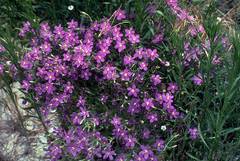
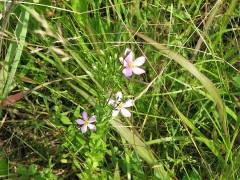
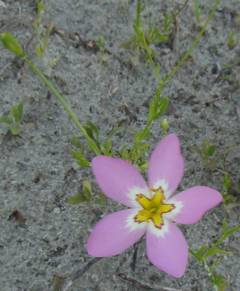
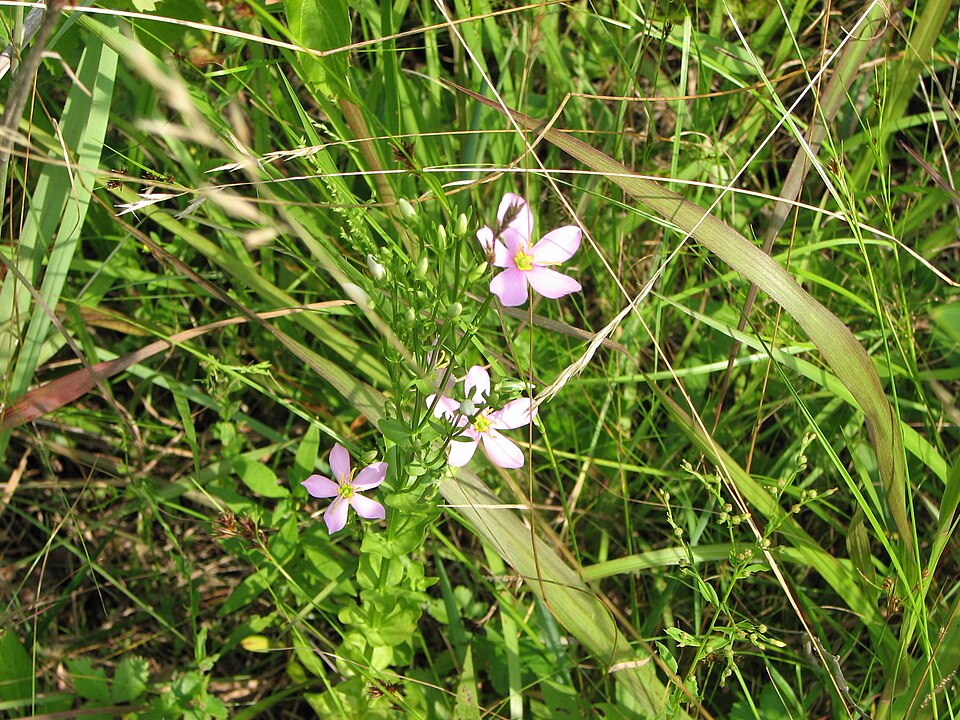
Sabatia is a genus of about 20 species of annual, biennial, and short-lived perennial herbs in the family Gentianaceae, native to eastern and central North America, the West Indies, and parts of Mexico. Plants are erect and slender, 0.5-3 ft (15-90 cm) tall, with squared or angled stems and opposite, stalkless leaves that are oval to narrow and 0.5-2 in (1-5 cm) long. The flowers are the chief feature: five- to twelve-lobed stars 0.75-2 in (2-5 cm) across, most often clear pink with a yellow central eye, though white-flowered forms occur in several species. S. angularis carries five-petalled pink flowers, while S. dodecandra and its relatives bear flowers with eight to twelve narrow lobes. Flowering runs through summer, the blooms opening by day in branched, flat-topped clusters. Most species grow in wet, acidic, open habitats and rely on steady moisture; they fail in dry, shaded, or alkaline ground. Because many are annual or biennial, plants set seed heavily and persist in cultivation through self-sowing rather than long-lived crowns.
Native Range
Sabatia is native to North America, centered on the eastern and southeastern United States, with species reaching the Great Lakes, the Gulf and Atlantic coastal plains, the West Indies, and Mexico. Plants grow in marshes, wet pine savannas, bogs, pond margins, and damp meadows, often in acidic, sandy soils.Suggested Uses
Sabatia is grown at the margins of ponds and bog gardens, in rain gardens, and in wet meadow and native plantings on acidic soils. The summer flowers are used in pollinator and coastal-plain restoration plantings. Container-grown plants are stood in saucers of water on patios.How to Identify
Appearance
Size & Dimensions
Height6" - 3'
Width/Spread6" - 1'
Bloom Information
Sabatia flowers through summer, generally June to September depending on species and region, with coastal sea pinks S. stellaris peaking in mid- to late summer. Individual plants bloom for several weeks as new flowers open along branching stems. The flowers open in full sun and close in shade or dull weather.
Detailed Descriptions
Flower Description
pink with a yellow center, sometimes whiteFoliage Description
greenGrowing Conditions
Sun Requirements
Requires 6-12 hours of direct sunlight daily
• Full Sun: 6+ hours of direct sunlight
• Partial Shade: 3-6 hours of direct sunlight
• Full Shade: Less than 3 hours of direct sunlight
Care & Maintenance
Care Guide
Grow Sabatia in full sun in moist to wet, acidic, sandy or peaty soil that never fully dries. Plants take standing water at the roots in spring but fail in drought, alkaline soil, and deep shade. In gardens they grow at pond and bog margins or in containers standing in water-filled saucers. Most species are raised from seed sown on the surface of a damp, acidic mix, as the tiny seed needs light to germinate. Annual and biennial species rely on self-sown seedlings to return, so some seed heads are left to ripen. Few pests trouble plants held in suitable wet conditions.Pruning
Sabatia needs no routine pruning. Spent flowering stems are cut back after bloom where self-seeding is not wanted, though leaving some seed heads lets annual and biennial species return. Dead top growth is cleared in late autumn or early spring.Container Growing
Suitable for container growing
Minimum container size: 2 gallons