Rosulabryum, Genus, spp., Multiple species,
- Genus
- Multiple species
Thread-moss
Cosmopolitan (temperate and tropical worldwide)
SunFull Sun – Part Shade
Overview
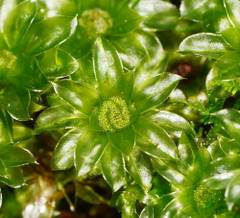
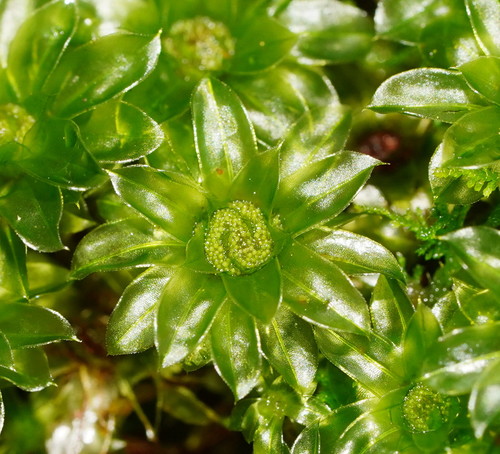
Rosulabryum is a genus of acrocarpous mosses in the family Bryaceae, segregated from the large genus Bryum and containing roughly forty species worldwide. Plants form low green to yellow-green tufts or turfs, with erect stems 0.4-2 in (1-5 cm) tall. The leaves are broadest near the tip and crowded into a distinct rosette at the stem apex, with a strong midrib that often extends as a short point and finely toothed upper margins. Colonies grow on soil, rock, walls, tree bases, and disturbed ground in sun or light shade across temperate and tropical regions. Reproduction is by spores carried in nodding, pear-shaped capsules on long reddish stalks, and many species also produce small bulbils or tubers that aid spread. The genus tolerates periodic drying, shrinking and curling when dry and reviving when wetted. As non-vascular plants, they absorb moisture across their surfaces and anchor by rhizoids rather than true roots.
Native Range
Rosulabryum is widely distributed across temperate and tropical regions of every continent. Species grow on soil, rock, walls, and disturbed open ground, including gardens, paths, and urban surfaces.Suggested Uses
Used as a pioneer groundcover on bare soil, stone, and walls, and in moss gardens, troughs, and terrariums. The genus also colonises paving, pots, and disturbed ground in gardens without being introduced.How to Identify
Appearance
Colors
Foliage Colors
Fall Foliage Colors
Detailed Descriptions
Foliage Description
green to yellow-greenGrowing Conditions
Sun Requirements
Requires 2-8 hours of direct sunlight daily
• Full Sun: 6+ hours of direct sunlight
• Partial Shade: 3-6 hours of direct sunlight
• Full Shade: Less than 3 hours of direct sunlight
Water & Climate
Water Needs
Drought Tolerance
Drought tolerant when established
Care & Maintenance
Care Guide
Rosulabryum establishes on bare or compacted soil, stone, and walls in sun to light shade, tolerating poor, disturbed substrates rather than needing fertile ground. It withstands periodic drought by drying out and reviving with moisture, and many species favour neutral to slightly alkaline conditions around pH 6.0-8.0. No feeding is required, and colonies often appear on their own in lawns, paving joints, and pots. Heavy shade and dense overlying litter reduce vigour. The genus is among the mosses that colonise newly cleared or burned ground.Pruning
Tufts are not pruned. Spread is managed by removing patches from areas where moss is not wanted, and accumulated litter is cleared so colonies stay exposed to light.Container Growing
Suitable for container growing