Rosmarinus, Genus, spp., Multiple species,
- Genus
- Multiple species
rosemary
Overview
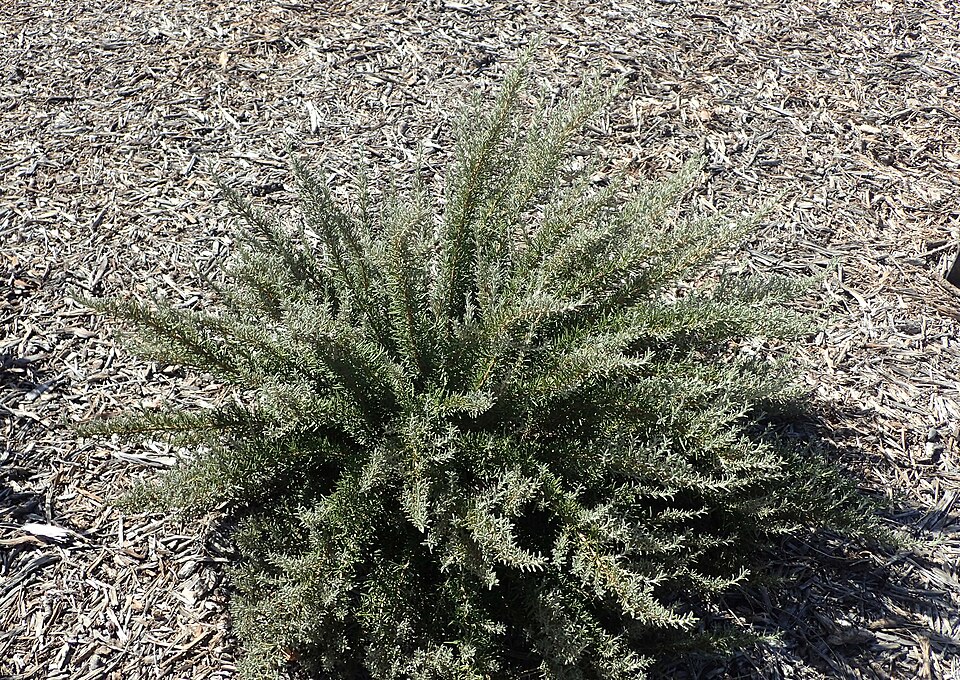
Rosmarinus is a genus of evergreen, aromatic shrubs in the mint family (Lamiaceae), native to the Mediterranean region and represented in cultivation chiefly by R. officinalis, common rosemary. Plants form woody, branched shrubs 2-6 ft (0.6-1.8 m) tall, with upright, mounding, or trailing forms depending on the selection. The narrow, needle-like leaves are 0.5-1.5 in (1.3-4 cm) long, dark green above and pale and felted beneath, releasing a resinous scent when bruised. Small two-lipped flowers, usually pale blue to violet but sometimes white or pink, line the stems from late winter into spring and often again in autumn. The genus is adapted to hot, dry, sunny Mediterranean conditions and lean, free-draining soils, tolerating drought, salt spray, and poor ground once established. It does poorly in heavy, wet, or shaded sites, where root rot and legginess develop. Leaves are used as a culinary herb and the flowers are worked by bees.
Native Range
Rosmarinus is native to the Mediterranean Basin, across southern Europe, North Africa, and western Asia, where it grows on dry, rocky hillsides, scrub, and coastal cliffs. It has naturalized in other regions with warm, dry summers.Suggested Uses
Grown as a culinary herb, low hedge, and evergreen shrub in herb, gravel, and coastal gardens. Trailing forms are used to spill over walls, banks, and containers, and upright forms for clipped edging.How to Identify
Appearance
Size & Dimensions
Height2' - 6'
Width/Spread2' - 5'
Bloom Information
Detailed Descriptions
Flower Description
pale blue to violetFoliage Description
dark greenGrowing Conditions
Sun Requirements
Requires 6-10 hours of direct sunlight daily
• Full Sun: 6+ hours of direct sunlight
• Partial Shade: 3-6 hours of direct sunlight
• Full Shade: Less than 3 hours of direct sunlight
Care & Maintenance
Care Guide
Rosmarinus grows in full sun on sharply drained, lean soils, including sandy, gravelly, and rocky ground. A soil pH near 6.0-8.0 is suitable, and the genus tolerates alkaline and saline conditions. Established plants are highly drought-tolerant and need little or no summer water. Wet, heavy soils and deep shade cause root rot, weak growth, and dieback. Hardiness varies with the selection, with upright forms generally tougher than trailing ones, and cold below about 15 F (-9 C) damages most. Light, frequent harvesting maintains bushy growth.Pruning
Trim lightly after the main flush of flowering to maintain shape and density, cutting within the leafy growth. The genus reshoots weakly from old bare wood, so hard pruning into leafless stems is avoided.Pruning Schedule
Prune: May–June
late springsummer
Container Growing
Suitable for container growing
Minimum container size: 5 gallons