Ricinus, Genus, spp., Multiple species,
- Genus
- Multiple species
castor bean
Northeastern Africa and the Middle East
Overview
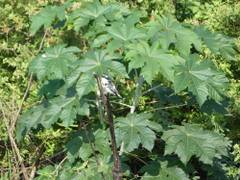
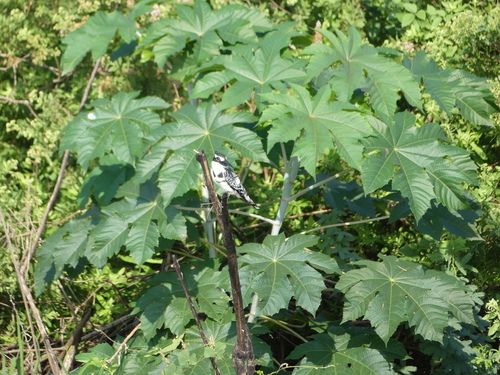
Ricinus is a monotypic genus in the spurge family (Euphorbiaceae), containing only R. communis, the castor bean. Native to northeastern Africa and the Middle East, it has naturalized throughout the tropics and subtropics. In frost-free climates it grows as a soft-wooded perennial shrub or small tree to 20-40 ft (6-12 m); in temperate gardens it is grown as a fast annual reaching 6-15 ft (1.8-4.6 m) in a single season. The large palmate leaves span 6-30 in (15-75 cm) with five to eleven toothed lobes, glossy green to deep red or bronze depending on the form. Flowers are borne in upright spikes, with yellowish male flowers below and red female flowers above on the same plant. The spiny capsules ripen red to brown and split to release mottled, bean-like seeds. These seeds contain ricin, a highly toxic protein, and are dangerous if chewed and swallowed by people or animals. The plant grows rapidly in warm, fertile, moist conditions and self-seeds in mild regions.
Native Range
Ricinus communis is native to northeastern Africa, particularly Ethiopia and the surrounding region, and the Middle East. It has naturalized widely across tropical, subtropical, and warm temperate parts of the world, often along roadsides and disturbed ground.Suggested Uses
Grown as a large-leaved feature plant in subtropical-style borders and summer bedding, and as a fast screen in temperate gardens. Red-leaved forms are used for foliage contrast in mixed plantings.How to Identify
Appearance
Size & Dimensions
Height6' - 40'
Width/Spread4' - 12'
Bloom Information
Flowering occurs from summer into autumn, and year-round in frost-free climates. The upright spikes hold yellowish male flowers low and red female flowers above; the female flowers develop into spiny capsules within a few weeks. Bloom is modest beside the bold foliage.
Detailed Descriptions
Foliage Description
glossy green to red-bronzeGrowing Conditions
Sun Requirements
Requires 6-10 hours of direct sunlight daily
• Full Sun: 6+ hours of direct sunlight
• Partial Shade: 3-6 hours of direct sunlight
• Full Shade: Less than 3 hours of direct sunlight
Care & Maintenance
Care Guide
Ricinus grows in full sun on deep, fertile, moisture-retentive soils, with rapid growth in heat. A soil pH near 6.0-7.5 is suitable, and steady moisture supports the largest leaves. The plant is frost-tender and is killed by freezing, which is why it is grown as an annual in cool climates. It self-seeds freely in mild regions and has become an environmental weed in some areas. All parts, especially the seeds, contain ricin and other toxins that are poisonous to people and animals.Pruning
Pruning is rarely needed within a single season. Spent flower spikes can be removed before the capsules mature to limit self-seeding, and frost-killed top growth is cut to the ground in regions where the plant overwinters.Pruning Schedule
Prune: November
fall
Container Growing
Suitable for container growing
Minimum container size: 10 gallons