Rhynchospora, Genus, spp., Multiple species,
- Genus
- Multiple species
beaksedges
Cosmopolitan; greatest diversity in tropical and warm-temperate Americas
Overview
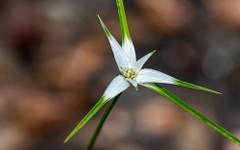
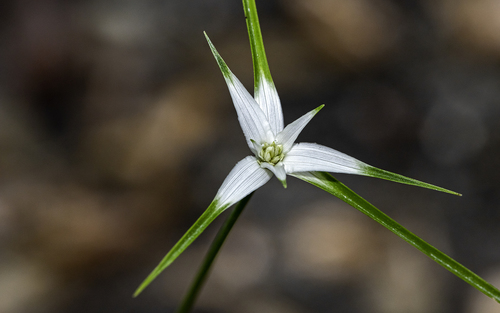
Rhynchospora is a genus of about 350 to 400 species of grass-like sedges in the family Cyperaceae, distributed across tropical and temperate regions worldwide, with the greatest diversity in the Americas. Most species are perennials forming tufts or running colonies from rhizomes, though some are annuals. Plants stand 6 inches to 5 feet (15 to 150 cm) tall, with three-sided or rounded stems and narrow, often keeled leaves 1 to 6 mm wide. The flowers are small and grouped in spikelets; the genus is named for the persistent beak-like tubercle that crowns each small nutlet. In several species, such as R. colorata and R. nivea, the bracts beneath the flower clusters are white, forming a star-shaped pattern that contrasts with the green foliage. The genus occupies wet habitats, including bogs, pine savannas, seepage slopes, marsh margins, and damp sandy flats, and most species need consistently moist to saturated soil. A limitation in cultivation is intolerance of prolonged drought, which causes the foliage of wetland species to brown and die back. Several species spread by rhizomes and can form broad colonies where conditions suit them.
Native Range
Rhynchospora is nearly cosmopolitan, native to wet habitats across the Americas, Africa, Asia, Australia, and Europe. Species diversity is highest in the warm-temperate and tropical Americas, including the southeastern United States, the Caribbean, and Brazil.Suggested Uses
Rhynchospora species are used in rain gardens, bog gardens, pond margins, and restored wetlands. White-bracted species such as R. colorata are grown as groundcover and edging in moist sites, where the pale bracts read against darker foliage.How to Identify
Appearance
Size & Dimensions
Height6" - 5'
Width/Spread6" - 2'
Bloom Information
Flowering occurs mainly from late spring through summer, with white-bracted species holding their bracts for several weeks. In frost-free regions some species flower intermittently through much of the year. The small spikelets ripen to brown nutlets that persist into fall.
Detailed Descriptions
Flower Description
white to brownFoliage Description
greenGrowing Conditions
Sun Requirements
Requires 4-10 hours of direct sunlight daily
• Full Sun: 6+ hours of direct sunlight
• Partial Shade: 3-6 hours of direct sunlight
• Full Shade: Less than 3 hours of direct sunlight
Water & Climate
Water Needs
Care & Maintenance
Care Guide
Across the genus, Rhynchospora grows in full sun to part shade in consistently moist to wet soil, including the margins of ponds and rain gardens. Most species prefer acidic conditions, with soil pH from about 4.5 to 6.5, and decline where soil dries out for extended periods. Wetland species tolerate standing water of 1 to 3 inches (2.5 to 7.5 cm). Plants are propagated by division of the rhizomes or by seed. Rhizomatous species can spread beyond their planting area in moist ground. Foliage is left standing over winter in mild climates and cut back in early spring where it dies down.Pruning
Maintenance is minimal. Old foliage and spent flower stems can be cut to the ground in late winter or early spring before new growth begins. Dividing congested clumps every few years controls spread and renews vigor.Container Growing
Suitable for container growing
Minimum container size: 2 gallons