Rhinotropis, Genus, spp., Multiple species,
- Genus
- Multiple species
Overview
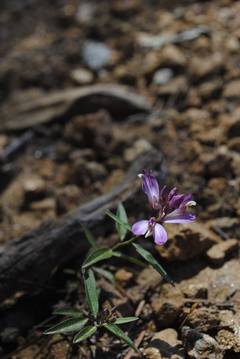
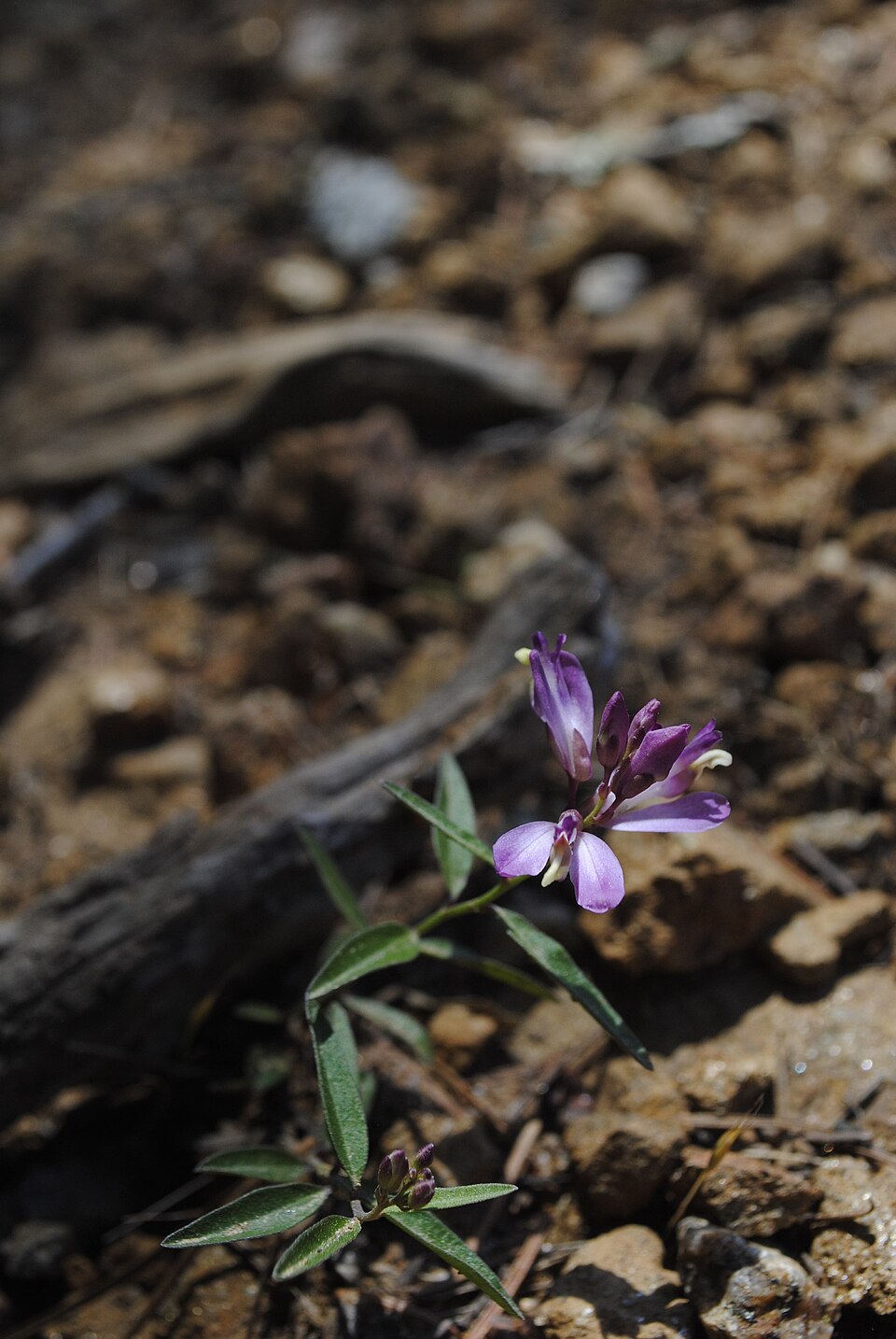
Rhinotropis is a genus of about 25 perennials and small shrubs in the family Polygalaceae, segregated from Polygala and native mainly to western North America. Plants form low, often woody-based mounds or sprawling subshrubs 0.5-3 feet (15-90 cm) tall, with slender, branching stems and small, alternate, untoothed leaves 0.2-1.5 inch (0.5-4 cm) long. The flowers, borne singly or in short clusters, have an irregular form typical of the family: two petal-like wing sepals flank a tube of three petals, the lowest fringed or crested at the tip, in shades of pink, rose-purple, white, or greenish. Bloom comes mainly in spring and early summer, followed by small flattened capsules holding hairy seeds. Many species grow on dry, rocky or sandy ground and tolerate heat and drought once established. Growth is slow to moderate, and woody-based plants persist for several years. Foliage is sparse, and plants can look open or twiggy outside the bloom season. Some species are restricted to particular soils or habitats and are uncommon in the wild.
Native Range
Rhinotropis occurs mainly in the western United States and Mexico, with a few species farther east, growing in chaparral, desert scrub, rocky slopes, pine and oak woodland, and sandy flats. Species such as Rhinotropis californica grow on dry slopes in California, while others are found on limestone, granite, or gypsum soils in the Southwest.Suggested Uses
Grown in rock gardens, native and dryland plantings, and on dry banks and slopes, spaced 12-24 inches (30-60 cm) apart depending on species. The low, woody habit suits well-drained, sunny sites and naturalistic desert or chaparral gardens. Plants are less suited to rich borders or irrigated beds, where they tend to rot.How to Identify
Appearance
Size & Dimensions
Height6" - 3'
Width/Spread1' - 3'
Bloom Information
Most species bloom in spring and early summer, generally March to June, with timing shifting later at higher elevations. Desert species flower after winter and spring rains, sometimes briefly. Individual plants bloom over several weeks, and a second flush can follow summer rain in some regions.
Detailed Descriptions
Flower Description
pink, rose-purple, white, or greenishFoliage Description
green to gray-greenGrowing Conditions
Sun Requirements
Requires 6-10 hours of direct sunlight daily
• Full Sun: 6+ hours of direct sunlight
• Partial Shade: 3-6 hours of direct sunlight
• Full Shade: Less than 3 hours of direct sunlight