Reseda, Genus, luteola, Species,
- Genus & species
weld
Europe, North Africa, and western Asia
Overview
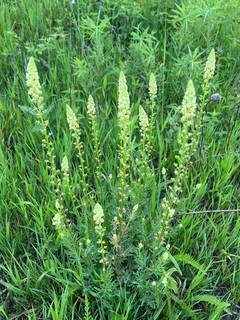
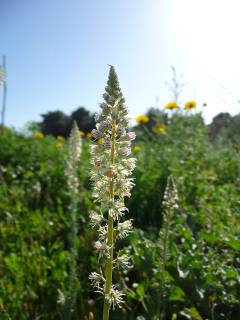
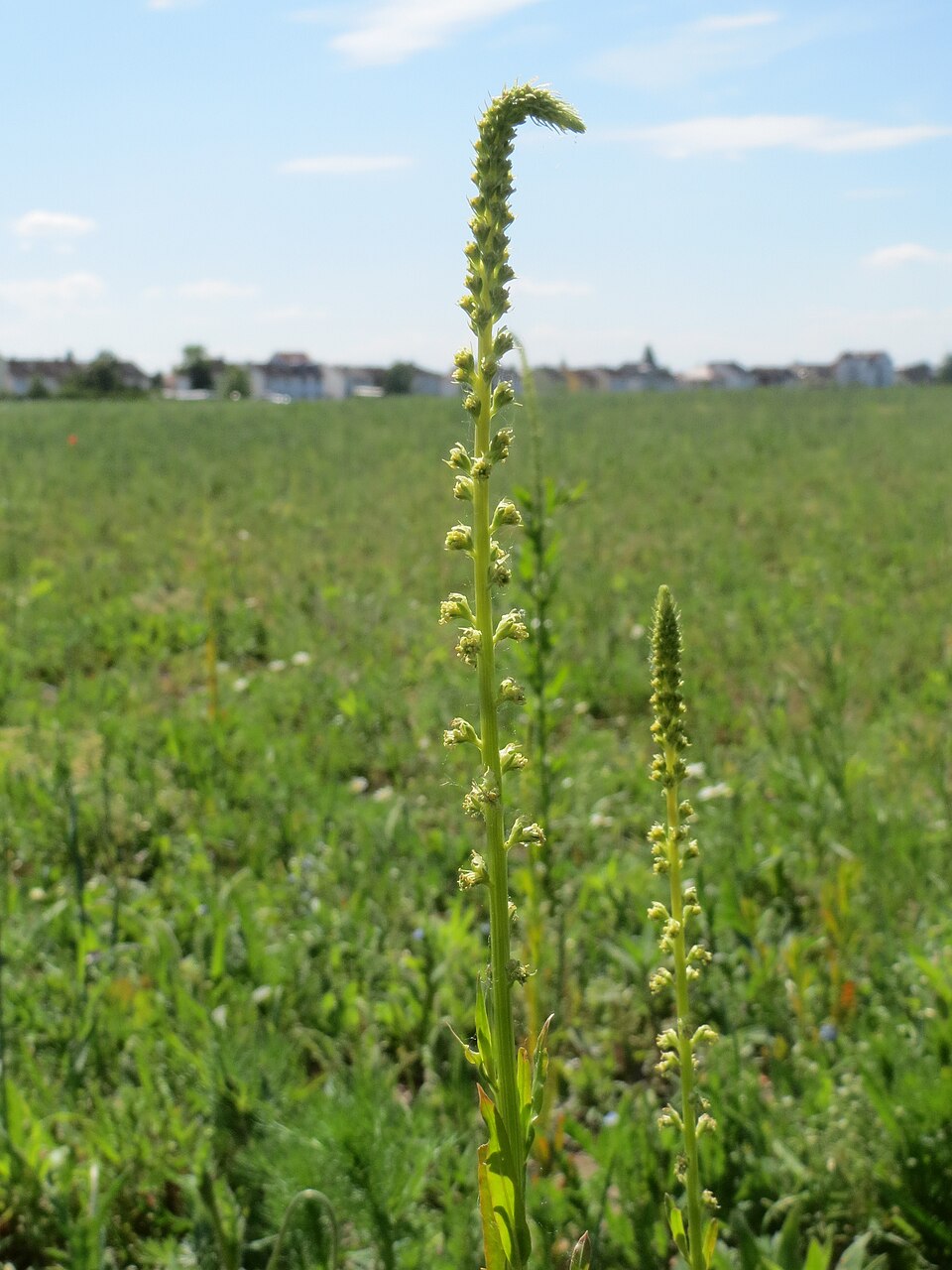
Reseda luteola is an erect biennial, occasionally annual, reaching 2-5 feet (60-150 cm) tall and 8-12 inches (20-30 cm) wide. In its first year it forms a basal rosette of narrow, oblong leaves; in the second year it sends up a single stiff, ridged stem topped with a slender flowering spike. The leaves are lance-shaped, 1.5-4 inches (4-10 cm) long, with wavy margins and a single pale midrib, dark green and often crinkled. Flowers are small, four-petalled, and yellow-green, packed densely along a spike that can reach 12-20 inches (30-50 cm). The plant has a deep taproot that reaches moisture in dry, disturbed ground, letting it colonise quarry spoil, road verges, and chalk grassland. It self-seeds readily and can spread beyond its original position in open soil. Historically the whole plant was harvested as a source of luteolin, yielding a yellow dye used in textiles since Roman times. Foliage and stems die back after seed set, completing the two-year cycle. Plants grown in rich soil make taller, softer growth that may need support, while those on poor ground stay shorter and more rigid. The species tolerates drought once established but does not persist in waterlogged or heavily shaded sites.
Native Range
Reseda luteola is native to Europe, North Africa, and western Asia, growing on chalk and limestone soils, disturbed ground, and coastal cliffs. It has naturalised across North America, Australia, and other temperate regions.Suggested Uses
Grown in wildlife and pollinator plantings, gravel gardens, and chalk or meadow borders where the vertical spikes rise above lower planting. Also used in dye gardens for its historic role as a source of yellow pigment.How to Identify
Appearance
Size & Dimensions
Height2' - 5'
Width/Spread8" - 1'
Bloom Information
Flowering runs from June to September, with the spike opening from the base upward over several weeks. Individual flowers are short-lived, but the elongating spike keeps colour on the plant through midsummer. Bees and other small pollinators visit the open flowers.
Detailed Descriptions
Foliage Description
dark greenGrowing Conditions
Sun Requirements
Requires 6-12 hours of direct sunlight daily
• Full Sun: 6+ hours of direct sunlight
• Partial Shade: 3-6 hours of direct sunlight
• Full Shade: Less than 3 hours of direct sunlight