Reseda, Genus, spp., Multiple species,
- Genus
- Multiple species
mignonettes
Mediterranean, Europe, North Africa, and western Asia
SunFull Sun – Part Shade
Overview
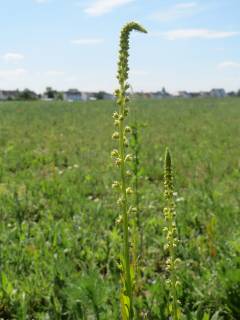
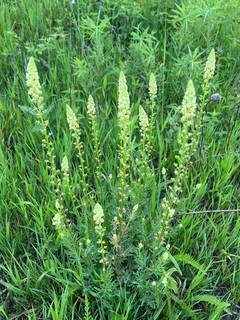
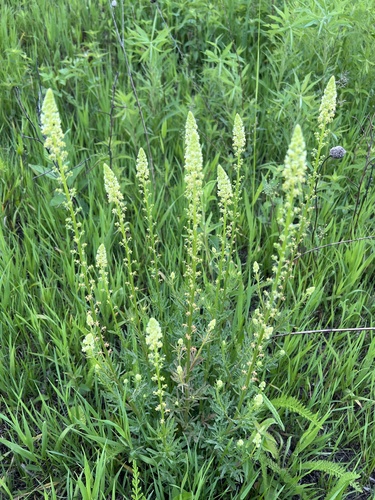
Reseda is a genus of about 60 species of annual, biennial, and perennial herbs in the family Resedaceae, native to the Mediterranean region, Europe, North Africa, and western Asia. Plants form upright or sprawling stems 20-130 cm (8-51 in) tall with simple or lobed leaves and slender spikes of many small flowers. The flowers are greenish, yellowish, or white, with finely cut petals and prominent stamens, and are modest in size rather than showy. R. odorata, garden mignonette, is grown for its strong, sweet fragrance, and R. luteola, known as weld or dyer's rocket, has long been a source of yellow dye. Flowering runs over a long cool season and draws many bees and other insects. The flowers give way to open-mouthed capsules holding small seeds. Plants are short-lived, do not transplant well, and fade quickly in summer heat.
Native Range
Reseda is native to the Mediterranean basin, Europe, North Africa, and western and Central Asia, growing on disturbed ground, rocky slopes, old walls, and dry, often limy soils.Suggested Uses
Grown in cottage gardens, herb gardens, and containers near doors and seating for the scent of R. odorata, and in cutting gardens for fragrant posies. R. luteola is grown as a traditional dye plant. Plants are sown in drifts and thinned to 20-30 cm (8-12 in) apart.How to Identify
Appearance
Size & Dimensions
Height8" - 4'3"
Width/Spread6" - 1'
Bloom Information
Flowering runs from late spring through summer and into autumn in cool conditions, with successive sowings extending the season. Each spike blooms over several weeks from the base upward. R. odorata releases its scent most strongly in the evening and in warm air.
Detailed Descriptions
Flower Description
greenish, yellowish, or whiteFoliage Description
greenGrowing Conditions
Sun Requirements
Requires 6-8 hours of direct sunlight daily
• Full Sun: 6+ hours of direct sunlight
• Partial Shade: 3-6 hours of direct sunlight
• Full Shade: Less than 3 hours of direct sunlight
Water & Climate
Water Needs
Drought Tolerance
Drought tolerant when established
Care & Maintenance
Care Guide
Most species grow in full sun on well-drained, neutral to alkaline soil and tolerate poor, dry, limy ground. Seed is sown where plants are to grow, as the taproot does not move well, in autumn in mild areas or spring elsewhere. Plants grow and flower in cool weather and decline in summer heat, so they are often treated as cool-season annuals. Rich soil and overfeeding produce leafy growth and weaken the scent of R. odorata. Pests and diseases are few, though seedlings damp off in cold, wet soil.Pruning
Spent flower spikes are removed to prolong bloom and limit self-seeding. Whole plants are cleared once they yellow and set seed at the end of the season. A light shearing after the first flush can prompt fresh spikes in cool weather.Container Growing
Suitable for container growing
Minimum container size: 2 gallons