Rehderodendron, Genus, macrocarpum, Species,
- Genus & species
large-fruited rehderodendron
Southwestern China (Yunnan and Sichuan provinces); moist montane forests at 5,000–8,000 ft (1,500–2,400 m); genus named for Alfred Rehder of the Arnold Arboretum; genus contains approximately 10 species
Overview
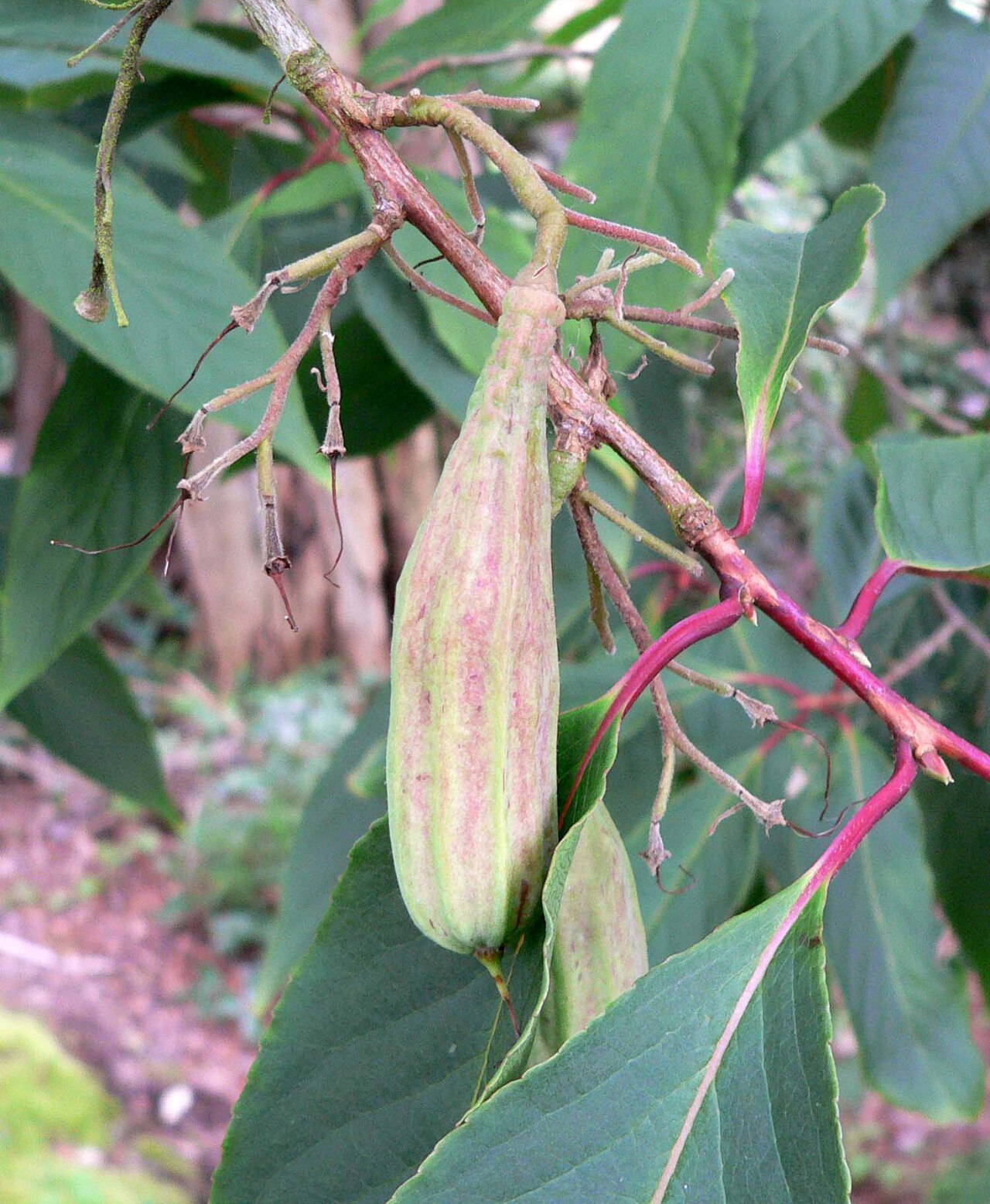
Rehderodendron macrocarpum is a deciduous tree reaching 25–40 feet (7.6–12 m) tall and 15–25 feet (4.6–7.6 m) wide, with an upright to broadly oval crown and spreading branches. A member of the storax family (Styracaceae), the species produces pendant clusters of 3–8 white to pale pink bell-shaped flowers 0.8–1.2 inches (2–3 cm) long from the leaf axils in May and June, a flower form similar to the related Styrax and Halesia. The identifying feature is the large woody ribbed fruit — cylindrical to spindle-shaped, 2–3 inches (5–8 cm) long — which is larger than the 0.3–0.5 inch (8–13 mm) fruits of Styrax and among the larger fruit types in the Styracaceae. The specific epithet macrocarpum means large-fruited. Ovate to elliptic leaves are 3–6 inches (8–15 cm) long, medium green in summer, turning yellow in autumn. Growth rate is moderate. Hardy in USDA zones 7–9. The genus Rehderodendron contains about 10 species and is rare in cultivation outside botanical gardens, so mail-order availability is limited and planting stock may be difficult to source.
Native Range
Rehderodendron macrocarpum is native to southwestern China, in Yunnan and Sichuan provinces, in moist montane forests at 5,000–8,000 feet (1,500–2,400 m). The genus is named for Alfred Rehder (1863–1949), the German-American botanist at the Arnold Arboretum.Suggested Uses
Planted as a specimen in woodland gardens, arboretum collections, and botanical gardens at 15–20 foot (4.6–6 m) spacing in USDA zones 7–9, where the pendant spring bells and persistent woody autumn fruits provide a two-season display. The genus is seldom offered outside specialty and botanical-garden sources, which supports plantings in collection-focused and educational landscapes that feature less-common Styracaceae. Alkaline soils, dry sites, and positions exposed to cold drying winds in the colder end of the hardiness range are the main planting limitations.How to Identify
Appearance
Size & Dimensions
Height25' - 40'
Width/Spread15' - 25'
Bloom Information
Produces pendant clusters of 3–8 white to pale pink bell-shaped flowers 0.8–1.2 inches (2–3 cm) long from the leaf axils in May and June. Bloom duration is 2–3 weeks. Large woody ribbed fruits 2–3 inches (5–8 cm) long follow and persist on the tree into autumn.
Detailed Descriptions
Flower Description
White to pale pink; pendant bell-shaped 0.8–1.2 inches (2–3 cm); in axillary clusters of 3–8; May–June; large woody ribbed fruits 2–3 inches (5–8 cm) follow and persistFoliage Description
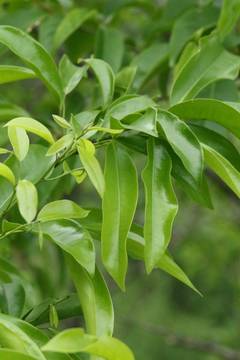
Medium green in summer; ovate to elliptic 3–6 inches (8–15 cm); yellow autumn colorGrowing Conditions
Sun Requirements
Requires 4-8 hours of direct sunlight daily
• Full Sun: 6+ hours of direct sunlight
• Partial Shade: 3-6 hours of direct sunlight
• Full Shade: Less than 3 hours of direct sunlight
Care & Maintenance
Care Guide
Plant in partial shade to full sun in moist, humus-rich, well-drained acidic loam, peat, or silty soil at pH 5.0–6.5. Hardy in USDA zones 7–9. Consistent soil moisture is required, consistent with the species' native montane forest habitat; dry sites and alkaline soils are outside the species' adapted range. Positions sheltered from cold drying winds reduce winter dieback in the colder end of the hardiness range. The species is rare in cultivation, so published information on pest and disease susceptibility is limited; specimens in botanical garden collections have not shown significant pest problems under typical woodland-garden culture.Pruning
Prune in late winter while the tree is dormant, if shaping is needed. The oval crown develops without intervention. Leave flower-bearing branches intact through the fruiting season to allow the woody ribbed fruits to develop and persist for autumn interest. Remove dead or damaged branches only after the structural crown is established.Pruning Schedule
Prune: January–February
winter