Racomitrium, Genus, spp., Multiple species,
- Genus
- Multiple species
Fringe-mosses
Cool temperate, montane, and polar regions of both hemispheres
Overview
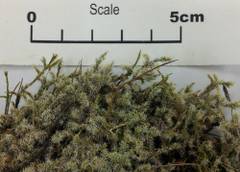
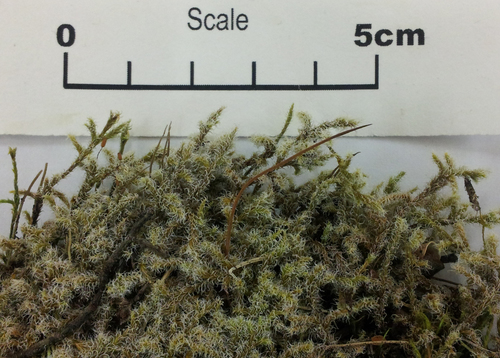
Racomitrium is a genus of about 80 species of cushion- and mat-forming mosses in the family Grimmiaceae, found mainly in cool temperate, montane, and polar regions of both hemispheres. Plants form low, dense carpets 1 to 6 in (2.5 to 15 cm) deep that spread laterally to cover rock, gravel, and thin acidic soils. Stems branch repeatedly and bear narrow leaves, and in many species, including R. lanuginosum, each leaf ends in a long, toothed, colorless hair-point that gives the colony a grey, hoary cast. Foliage is grey-green to olive when moist and pales to silver-grey when dry. Like all mosses, Racomitrium has no true roots, flowers, or seeds; it anchors with rhizoids and reproduces by spores carried in capsules on slender stalks, as well as by fragmentation. The genus tolerates extreme desiccation, drying to dormancy and reviving within minutes of rewetting, which lets it persist on exposed, sun-baked rock. Limitations include very slow growth and intolerance of dense shade, fertile soil, and prolonged trampling.
Native Range
Racomitrium is widespread across the cooler parts of both hemispheres, with concentrations in the uplands of Europe, northern Asia, North America, and the mountains and southern coasts of the Southern Hemisphere. It grows on exposed rock, scree, lava flows, gravel, and acidic peaty ground from sea level to high alpine elevations. R. lanuginosum forms extensive heath and blanket cover on oceanic moorland.Suggested Uses
Racomitrium is used in moss gardens, on green roofs, in rock and alpine plantings, and in containers and terrariums where a low, drought-hardy ground layer is wanted. Its mats stabilize gravel and thin soil on exposed sites. In the wild it is a primary colonizer of bare rock and lava.How to Identify
Appearance
Size & Dimensions
Height1" - 6"
Width/Spread6" - 4'
Bloom Information
Racomitrium is a moss and does not flower. It reproduces by spores formed in capsules that ripen mainly through autumn and winter in temperate climates. Spread also occurs vegetatively when detached stem fragments root into new ground.
Detailed Descriptions
Foliage Description
grey-green to olive, silver-grey when dryGrowing Conditions
Sun Requirements
Requires 4-12 hours of direct sunlight daily
• Full Sun: 6+ hours of direct sunlight
• Partial Shade: 3-6 hours of direct sunlight
• Full Shade: Less than 3 hours of direct sunlight
Care & Maintenance
Care Guide
Racomitrium grows in full sun to partial shade on acidic, free-draining substrates such as rock, gravel, and thin peaty soil, at a pH from about 4.5 to 6.5. It draws moisture from rain, dew, and humidity rather than from the soil, so it needs no irrigation once settled and rots in soils that stay wet or rich. The genus is cold hardy through zones 2 to 7 and withstands wind, frost, and long dry spells by going dormant. Growth is very slow, with mats taking years to knit together. It declines under deep shade, heavy foot traffic, and fertilizer.Pruning
Racomitrium needs no pruning. Loose or overgrown patches can be lifted and pressed onto fresh substrate to start new cover. Fallen leaves and debris are cleared from the surface so the colony is not smothered.Container Growing
Suitable for container growing