Pultenaea, Genus, spp., Multiple species,
- Genus
- Multiple species
Bush-peas
Overview
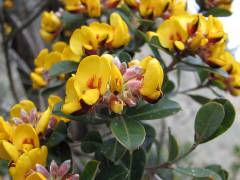
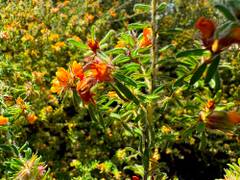
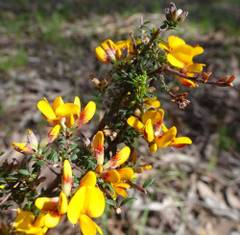
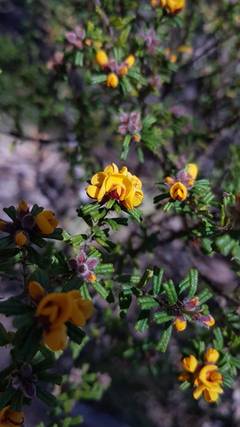
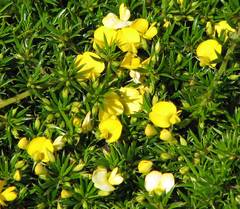
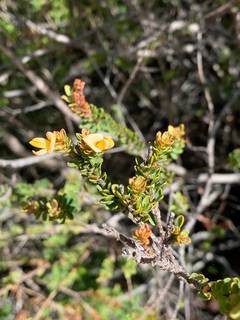
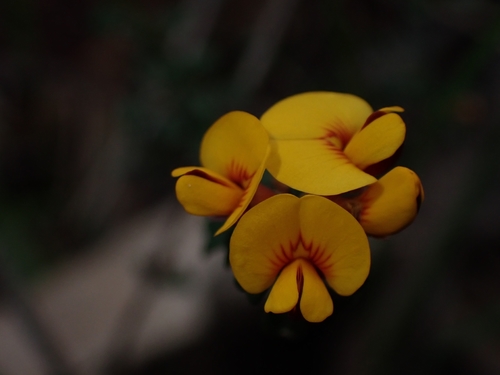
The genus Pultenaea comprises roughly 120 species of evergreen shrubs in the pea family (Fabaceae), all endemic to Australia. Plants range from prostrate mats under 0.2 m (8 in) to erect shrubs reaching 3 m (10 ft), with most species growing 0.3-1.5 m (1-5 ft) tall and wide. Stems carry small alternate leaves, frequently narrow, heath-like, or tipped with a short point, and most species bear paired stipules at the leaf base that separate the genus from related Australian peas. Flowers follow the pea form, with a broad upper petal, two wing petals, and a keel; colours span yellow and orange, often marked with red or brown on the keel. Blooming occurs mainly in late winter and spring (August-November in the native range), with flowers clustered at the branch tips or in the upper leaf axils. As legumes, Pultenaea species form root nodules that fix atmospheric nitrogen. Species occupy heathland, sclerophyll woodland, and rocky slopes on acidic, low-nutrient soils, and most are intolerant of prolonged wet conditions and phosphorus-rich fertiliser. Frost tolerance varies across the genus, with subalpine species withstanding regular frost and coastal species injured by it.
Native Range
Pultenaea is endemic to Australia, where species occur across all states and territories, with the greatest concentration in the south-east. The genus is absent from other continents.Suggested Uses
Pultenaea species are grown in native and habitat gardens, on dry banks, and in low-water landscapes. Lower-growing species suit rockeries and the front of plantings, while taller species are used for informal screening. They support native bees and other pollinating insects.How to Identify
Appearance
Size & Dimensions
Height8" - 10'
Width/Spread1' - 8'
Bloom Information
Most species flower from late winter into spring, roughly August to November in their native range. Bloom is concentrated over four to eight weeks, with flowers massed at the ends of the branches. A few subalpine species extend flowering into summer.
Detailed Descriptions
Flower Description
yellow to orange with red or brown markingsFoliage Description
greenGrowing Conditions
Sun Requirements
Requires 6-10 hours of direct sunlight daily
• Full Sun: 6+ hours of direct sunlight
• Partial Shade: 3-6 hours of direct sunlight
• Full Shade: Less than 3 hours of direct sunlight
Water & Climate
Water Needs
Drought Tolerance
Drought tolerant when established
Care & Maintenance
Care Guide
Plants grow in full sun on sharply drained sandy or gravelly soil with an acidic pH of 4.5-6.5. Established plants tolerate extended dry periods and need little supplementary water. As phosphorus-sensitive legumes, they respond poorly to high-phosphorus fertiliser. Most species are damaged by waterlogging and humid summer conditions. Hardiness spans roughly USDA zones 9 to 11, though frost tolerance differs widely between subalpine and coastal species.Pruning
A light trim after flowering keeps plants compact and promotes branching. Cutting back into bare old wood carries risk, as many species do not reshoot from leafless stems. No routine pruning is otherwise needed.Pruning Schedule
late spring
Container Growing
Suitable for container growing
Minimum container size: 3 gallons