Pterostylis, Genus, concinna, Species,
- Genus & species
trim greenhood
Overview
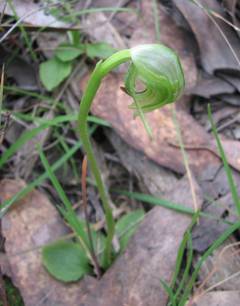
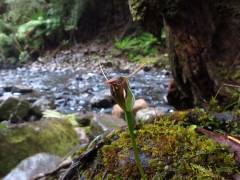
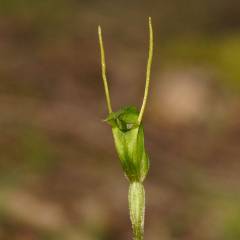
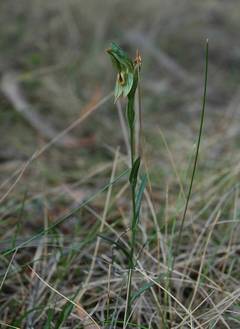
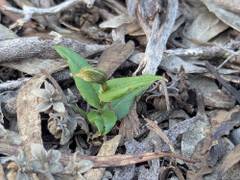
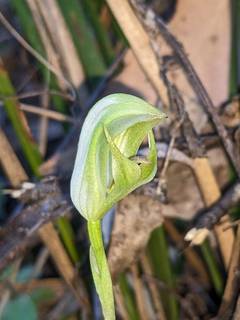
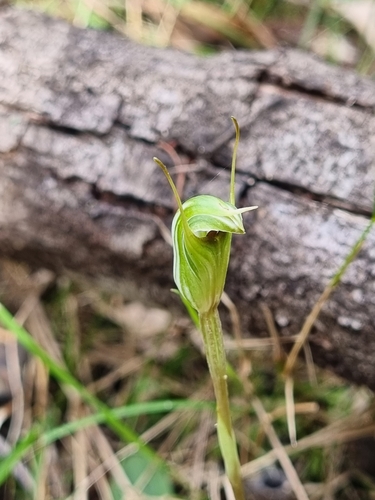
Pterostylis concinna is a small deciduous terrestrial orchid growing 2-6 inches (5-15 cm) tall from an underground tuber. Non-flowering plants form a flat rosette of 4-8 oval leaves 0.4-1.2 inches (10-30 mm) long pressed against the ground. Flowering stems carry a single hooded flower formed from fused green sepals and petals, the hood translucent green with darker green and brown stripes and 0.6-1 inch (15-25 mm) tall. A brown, notched, mobile lip sits within the hood and snaps inward when touched by a visiting insect, briefly trapping it. Flowering occurs in autumn and winter, after which the plant dies back to its tuber and is dormant through the dry summer. Colonies form where tubers multiply, producing loose groups of plants. The orchid depends on soil fungi for germination and growth, which makes it difficult to transplant or cultivate.
Native Range
Native to south-eastern Australia, in New South Wales, Victoria, Tasmania, and South Australia. Grows in open eucalypt forest, woodland, and coastal scrub on well-drained sandy or loamy soils, often among leaf litter and moss.Suggested Uses
Grown in native terrestrial-orchid collections, woodland gardens, and pots in a specialist mix among collectors. It suits shaded, leaf-littered ground beneath shrubs and trees where summer soil stays dry. It has little role in general garden planting because of its dormancy and reliance on soil fungi.How to Identify
Appearance
Size & Dimensions
Height2" - 6"
Width/Spread1" - 3"
Bloom Information
Detailed Descriptions
Flower Description
translucent green with brown stripesFoliage Description
greenGrowing Conditions
Sun Requirements
Requires 1-4 hours of direct sunlight daily
• Full Sun: 6+ hours of direct sunlight
• Partial Shade: 3-6 hours of direct sunlight
• Full Shade: Less than 3 hours of direct sunlight
Care & Maintenance
Care Guide
Grows in dappled shade in well-drained sandy or loamy soil rich in leaf litter, mimicking its woodland habitat. Soil is kept slightly moist during the autumn-to-spring growing season and dry during summer dormancy, when excess moisture rots the tubers. The orchid relies on specific soil fungi, so it grows poorly when moved away from established soil and is rarely cultivated outside specialist collections. Top growth dies back naturally after flowering, leaving the dormant tuber below ground. Slugs and snails graze the soft rosettes and flowers. Established colonies are left undisturbed, as digging damages the tubers.Pruning
No pruning is required. Spent flower stems and withered leaves die back on their own as the plant enters summer dormancy. Dead foliage is left in place, as it returns nutrients to the tuber and protects the dormant plant.Container Growing
Suitable for container growing
Minimum container size: 1 gallons