Pterocarya, Genus, fraxinifolia, Species,
- Genus & species
Caucasian Wingnut
Overview
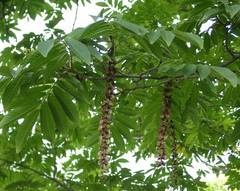
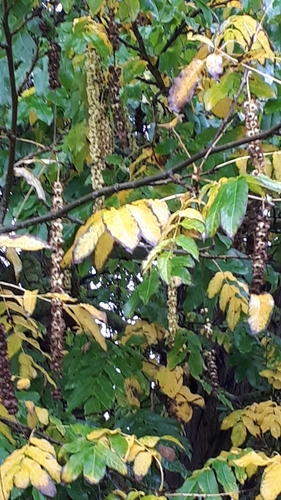
Pterocarya fraxinifolia is a large deciduous tree reaching 50-100 feet (15-30 m) tall, with a broad, spreading crown and often several trunks from a suckering base. Bark is grey and deeply furrowed with age. Leaves are pinnate, 8-24 inches (20-60 cm) long, with 11-27 toothed, oblong leaflets each 2-5 inches (5-13 cm) long, resembling those of ash. In spring the tree produces long catkins; the female catkins lengthen into hanging chains 12-20 inches (30-50 cm) long of small winged nutlets, each nutlet flanked by two semicircular green wings about 0.6-0.8 inch (1.5-2 cm) across. Foliage turns yellow in autumn. Growth is rapid, often 20-40 inches (50-100 cm) a year when young, and trees sucker freely to form thickets. It grows naturally along rivers and in wet woodland and tolerates seasonal flooding. The wide crown, vigorous suckering, and large size suit it only to open ground away from buildings and drains.
Native Range
Native to the Caucasus region and northern Iran, where it grows in riverine forest and wet valley woodland. Found along streams and rivers and in periodically flooded ground on deep, moist soils, from lowlands into lower mountain valleys. Widely planted in parks and large gardens across temperate Europe and North America.Suggested Uses
Planted as a specimen tree in large parks, riverside plantings, and wet ground where its broad crown and suckering roots have room to spread. Used for bank stabilization and in damp woodland settings. Its size, surface roots, and suckering make it unsuited to small gardens or planting near buildings, paving, and drains.How to Identify
Appearance
Size & Dimensions
Height50' - 100'
Width/Spread40' - 70'
Bloom Information
Catkins appear in April and May as the leaves expand. Separate male and female green catkins hang from the shoots and are wind-pollinated, with no petals. Female catkins lengthen through summer into hanging chains of winged nutlets that ripen and fall from autumn onward.
Detailed Descriptions
Foliage Description
green, yellow in autumnGrowing Conditions
Sun Requirements
Requires 6-12 hours of direct sunlight daily
• Full Sun: 6+ hours of direct sunlight
• Partial Shade: 3-6 hours of direct sunlight
• Full Shade: Less than 3 hours of direct sunlight
Care & Maintenance
Care Guide
Grows in full sun to light shade on deep, moist to wet soils, including ground that floods seasonally, and tolerates heavy clay and riverbank conditions. Establishes quickly and grows rapidly when young, needing ample room for its broad crown and spreading roots. Tolerates short dry spells once established but grows fastest where the water table is high. Roots and suckers can lift paving and invade drains, and suckers form thickets if not removed. Coral spot and other dieback fungi affect damaged or stressed wood. Wind can break the brittle branches on exposed sites.Pruning
Pruning to remove crossing, damaged, or low branches is done in late summer or autumn, as cuts made in late winter and spring bleed sap heavily. Suckers are cut or dug from the base through the growing season to prevent thicket formation. Trees left unpruned develop a wide, low, multi-stemmed crown.Pruning Schedule
Prune: August–October
summerfall