Prostanthera, Genus, lasianthos, Species,
- Genus & species
christmas bush
Overview
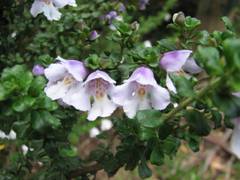
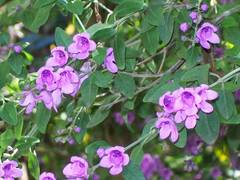
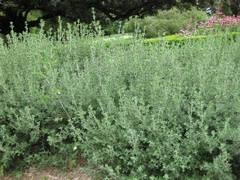
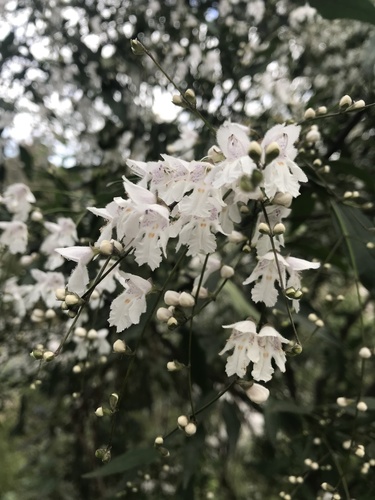
Prostanthera lasianthos is an evergreen shrub to small tree growing 1-6 m (3-20 ft) tall and 1.5-4 m (5-13 ft) wide, occasionally taller in sheltered forest. It has an upright, multi-stemmed form with arching upper branches. The lanceolate leaves are 3-12 cm (1.2-4.7 in) long, dark green, with toothed margins, and release a mint-like scent when crushed. From late spring into summer the plant carries large terminal panicles of two-lipped flowers, each 1-1.5 cm (0.4-0.6 in) long, white to pale mauve with purple and orange spotting in the throat. Flowering peaks around December, the source of the common name Christmas bush. It grows naturally along streams, in moist gullies, and in cool forest, and is fast-growing but relatively short-lived, often declining after ten to fifteen years. The shrub needs steady moisture and shelter from hot dry wind, which can scorch the foliage. Hard frost damages soft new growth, though established plants recover.
Native Range
Native to south-eastern Australia, occurring in Victoria, New South Wales, Tasmania, southern Queensland, and south-eastern South Australia. It grows along streams, in moist gullies, and in cool eucalypt forest.Suggested Uses
Grown as a fast screening or feature shrub in moist native and woodland gardens. Used along watercourses and in sheltered courtyards and large containers. Suited to cottage and bird-attracting plantings in cool, moist districts.How to Identify
Appearance
Size & Dimensions
Height3'3" - 19'8"
Width/Spread4'11" - 13'1"
Bloom Information
Detailed Descriptions
Flower Description
white to pale mauveFoliage Description
dark greenGrowing Conditions
Sun Requirements
Requires 4-8 hours of direct sunlight daily
• Full Sun: 6+ hours of direct sunlight
• Partial Shade: 3-6 hours of direct sunlight
• Full Shade: Less than 3 hours of direct sunlight
Care & Maintenance
Care Guide
Grows in part sun to dappled shade in moist, free-draining soil enriched with organic matter. Steady moisture suits it through the warm months, and roots benefit from a cool mulch. Shelter from hot dry wind and afternoon sun reduces leaf scorch. It responds to light feeding in spring with vigorous growth. Hard frost can damage soft new shoots, though established plants resprout. The shrub is fast-growing and relatively short-lived, so replacement every ten to fifteen years is common.Pruning
Trimming lightly after flowering keeps a dense, bushy shape and limits the open, leggy growth that develops with age. Cutting back into older bare wood is risky, as the shrub regenerates slowly from hard pruning. Removing spent flower panicles tidies the plant.Container Growing
Suitable for container growing
Minimum container size: 7 gallons