Portulaca, Genus, spp., Multiple species,
- Genus
- Multiple species
purslanes
warm temperate and tropical regions worldwide
Overview
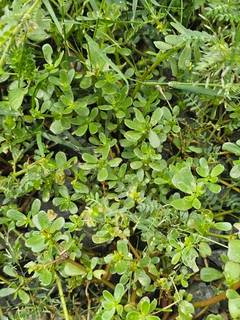
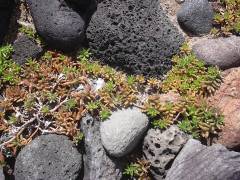
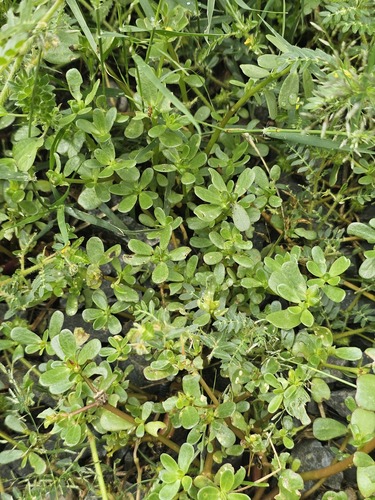
Portulaca is a genus of about 40 to 100 species of succulent annual and perennial herbs in the family Portulacaceae, distributed through warm temperate and tropical regions worldwide. Plants have fleshy, water-storing stems and leaves and grow 4 to 12 inches (10 to 30 cm) tall, spreading 6 to 18 inches (15 to 45 cm) wide in a low, trailing mat. The leaves are thick, smooth, and cylindrical to flattened, green and often tinged red at the margins. The five-petaled flowers, 0.5 to 2 inches (1 to 5 cm) across, open in bright sun and close in shade or cloudy weather; across the genus they range from red and pink to orange, yellow, white, and purple. Ornamental species such as P. grandiflora are grown for their many-colored flowers, while P. oleracea, common purslane, is both an edible leaf vegetable and a widespread agricultural weed. Plants grow strongly in heat, full sun, and dry, sandy soils, and tolerate drought through their succulent tissues. They fail in shade, in cool summers, and in wet or heavy soils, where stems rot. Most species set seed prolifically and self-sow.
Native Range
Portulaca is found in warm regions on every continent except Antarctica, with species native to the Americas, Africa, Asia, and Australia. P. oleracea is now nearly cosmopolitan as a weed of cultivated and disturbed ground.Suggested Uses
Portulaca is used in containers, hanging baskets, rock gardens, gravel plantings, and as edging or groundcover in hot, sunny sites. It suits coastal and xeriscape gardens and green roofs owing to its drought tolerance. P. oleracea is also grown in vegetable gardens as an edible green.How to Identify
Appearance
Size & Dimensions
Height4" - 1'
Width/Spread6" - 1'6"
Bloom Information
Portulaca blooms from early summer until frost, with flowers opening on sunny mornings and closing by afternoon or in dull weather. Each flower lasts a single day, but plants produce them continuously through the warm months. Flowering slows in cool, cloudy spells.
Detailed Descriptions
Flower Description
red, pink, orange, yellow, white, or purpleFoliage Description
green, often tinged redGrowing Conditions
Sun Requirements
Requires 6-12 hours of direct sunlight daily
• Full Sun: 6+ hours of direct sunlight
• Partial Shade: 3-6 hours of direct sunlight
• Full Shade: Less than 3 hours of direct sunlight
Water & Climate
Water Needs
Drought Tolerance
Drought tolerant when established
Care & Maintenance
Care Guide
Portulaca grows in full sun in light, sandy, sharply drained soil and tolerates heat, drought, and poor fertility. Plants store water in their leaves and stems and need little or no irrigation once established. Shade, cool weather, and wet or heavy soils cause weak growth and stem rot. Seed is sown after the last frost when the soil has warmed, or started indoors about six weeks earlier. Rich soils and frequent watering produce lush foliage and fewer flowers. The first frost kills the plants, which are replaced from seed each year in cold climates.Pruning
Portulaca needs no pruning. Trailing stems can be trimmed to shape plants in containers, and trimmed pieces root readily in warm soil. Removing developing seed capsules reduces self-sowing in following years.Container Growing
Suitable for container growing