Polygonum, Genus, spp., Multiple species,
- Genus
- Multiple species
knotweeds
Temperate regions worldwide, with native species across the Northern Hemisphere in North America, Europe, and Asia
Overview
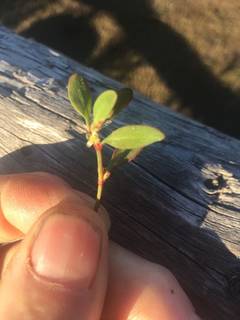
Polygonum is a genus of knotweeds in the buckwheat family (Polygonaceae), distributed across temperate regions worldwide and including both annual and perennial herbs. Depending on the species, plants range from prostrate mats 2-6 in (5-15 cm) high, as in P. aviculare, to sprawling or upright stems reaching 3 ft (90 cm). The defining feature of the genus is the ocrea, a thin papery sheath that wraps each swollen stem node where the leaf attaches. Leaves are alternate, simple, and narrow to lance-shaped, 0.5-3 in (1.3-7.5 cm) long. Flowers are small, 0.1-0.2 in (3-5 mm), with white, pink, or greenish tepals, borne singly in leaf axils or in slender terminal spikes from summer into autumn. The flowers give way to small three-angled or lens-shaped seeds that feed seed-eating birds. Many species, such as P. aviculare, are pioneer plants of compacted soil, pavement cracks, roadsides, and disturbed ground, tolerating drought and low fertility. Several knotweeds grow as weeds of lawns and croplands, and some spread quickly by seed. The genus dies back each winter, with annual species completing their cycle in one season and perennial species resprouting from rhizomes or a woody crown.
Native Range
Polygonum has a near-cosmopolitan distribution, with species native across the temperate Northern Hemisphere and others carried worldwide as weeds of cultivated and disturbed ground. North America, Europe, and Asia each hold native knotweed species, several of which have naturalized well beyond their original range.Suggested Uses
Polygonum is most often encountered as a wild or weedy plant rather than a cultivated ornamental, colonizing paving, gravel, and disturbed soil. A few species grow in wildlife and naturalistic plantings for their seed value to birds and nectar for small pollinators. Low prostrate species sometimes fill cracks and hard-packed ground where little else establishes.How to Identify
Appearance
Size & Dimensions
Height2" - 3'
Width/Spread6" - 3'
Bloom Information
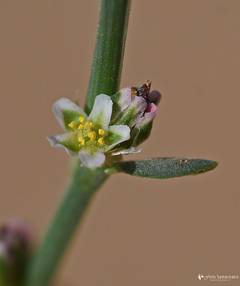
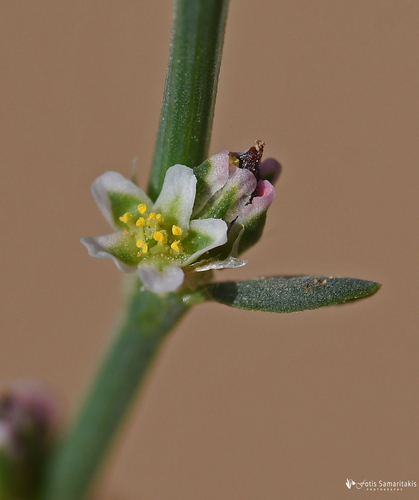
Flowers appear from early summer through autumn, roughly June to October, opening a few at a time over a long season. The blooms are small, 0.1-0.2 in (3-5 mm), in white, pink, or greenish shades, set in leaf axils or short terminal spikes. Bees, flies, and other small insects visit the flowers, which are followed by dry seeds.
Detailed Descriptions
Flower Description
white, pink, or greenishFoliage Description
green to blue-greenGrowing Conditions
Sun Requirements
Requires 4-10 hours of direct sunlight daily
• Full Sun: 6+ hours of direct sunlight
• Partial Shade: 3-6 hours of direct sunlight
• Full Shade: Less than 3 hours of direct sunlight
Care & Maintenance
Care Guide
Polygonum grows in a wide range of soils, including poor, compacted, and dry sites that limit many other plants, at a pH of about 5.0 to 7.5. Most species grow in full sun and tolerate drought once established, though a few, such as the semi-aquatic P. amphibium, need consistently wet ground. Annual knotweeds complete their cycle in one season and return from self-sown seed, while perennial species resprout from rhizomes or a crown and are hardy in USDA zones 3-9. Little supplemental water or feeding is needed on average sites. Because several species seed heavily and move into lawns and beds, pulling plants before seed set limits their increase. Few pests affect the genus.Pruning
Knotweeds need little pruning. Cut perennial species back to the ground in late autumn or early spring once top growth dies down. Shearing sprawling stems during the season keeps mats within bounds, and clearing flower stems before seed ripens limits spread.Pruning Schedule
Prune: March & November
fallearly spring