Polygala, Genus, spp., Multiple species,
- Genus
- Multiple species
milkworts
Worldwide except the Arctic and New Zealand
SunFull Sun – Part Shade
Overview
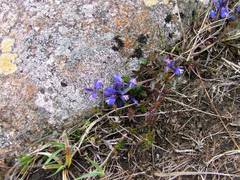
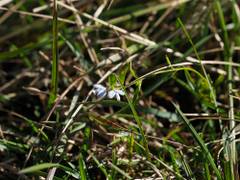
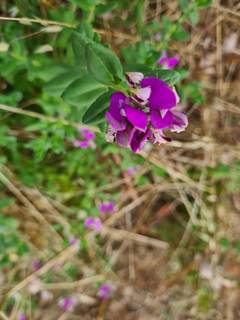
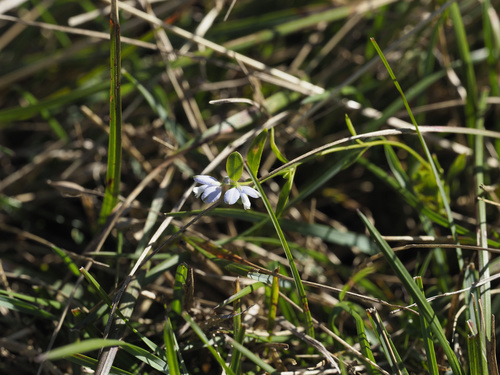
Polygala is a large genus of about 500 species of annual and perennial herbs, shrubs, and small trees in the milkwort family (Polygalaceae), spread across most of the world except the Arctic and New Zealand. Plants range from low herbs about 4 inches (10 cm) tall to shrubs reaching 13 feet (4 m), with simple leaves and stems that vary widely across the genus. The flowers are irregular and pea-like in outline, with two large colored sepals forming wings around a tubular keel that often ends in a fringed crest, in purple, pink, yellow, and white. The common name milkwort comes from an old belief that the plants increased milk yield in nursing animals and livestock. The genus grows in grassland, heath, scrub, woodland, and rocky ground across temperate and tropical regions. P. myrtifolia from South Africa is grown as an evergreen flowering shrub, while P. senega, seneca snakeroot, and P. paucifolia, fringed milkwort, are North American species of dry woods and prairie. Most species withstand poor soil and drought once established.
Native Range
The genus is spread across most of the world, in temperate and tropical regions of the Americas, Europe, Africa, Asia, and Australia, and is absent only from the Arctic and New Zealand. Many species are native to North America, from P. senega of dry woods to P. paucifolia of eastern forests. Polygala grows in grassland, heath, scrub, and rocky open ground.Suggested Uses
Polygala is grown in rock gardens, native-plant beds, and mixed borders, with shrubby species used as flowering shrubs and container plants in mild climates. The winged flowers draw bees and butterflies through the season. Herbaceous species suit lean, dry, sunny ground where richer plants struggle.How to Identify
Appearance
Size & Dimensions
Height4" - 13'
Width/Spread4" - 6'
Bloom Information
Flowering varies with species and climate, with most temperate species blooming in spring and summer and the shrubby P. myrtifolia flowering through much of the year in mild climates. Individual flowers are small but are carried in succession over many weeks. Seed capsules follow and split to release seed.
Detailed Descriptions
Flower Description
purple, pink, yellow, to whiteFoliage Description
green to grey-greenGrowing Conditions
Sun Requirements
Requires 4-10 hours of direct sunlight daily
• Full Sun: 6+ hours of direct sunlight
• Partial Shade: 3-6 hours of direct sunlight
• Full Shade: Less than 3 hours of direct sunlight
Water & Climate
Water Needs
Drought Tolerance
Drought tolerant when established
Care & Maintenance
Care Guide
Plants grow in full sun to part shade on free-draining sand, loam, or rocky soil at a pH of 5.5–7.5. Established plants withstand drought and poor fertility, while heavy, wet soil leads to root rot. The shrubby species are tender and are grown outdoors only in mild-winter climates or under cover. Herbaceous species suit rock gardens and native plantings on lean soil. Light trimming after the main flush keeps shrubby forms compact.Pruning
Shrubby species such as P. myrtifolia are trimmed lightly after the main flush to keep a compact shape. Herbaceous species need little pruning beyond removal of spent stems. Cuts are kept shallow, as hard pruning into old wood is slow to break.Container Growing
Suitable for container growing