Fungal Pathogen

Podosphaera xanthii

Cucurbit Powdery Mildew

UnknownWorldwide

At a Glance

Typefungal pathogen
Habitsuperficial mycelial growth

Overview

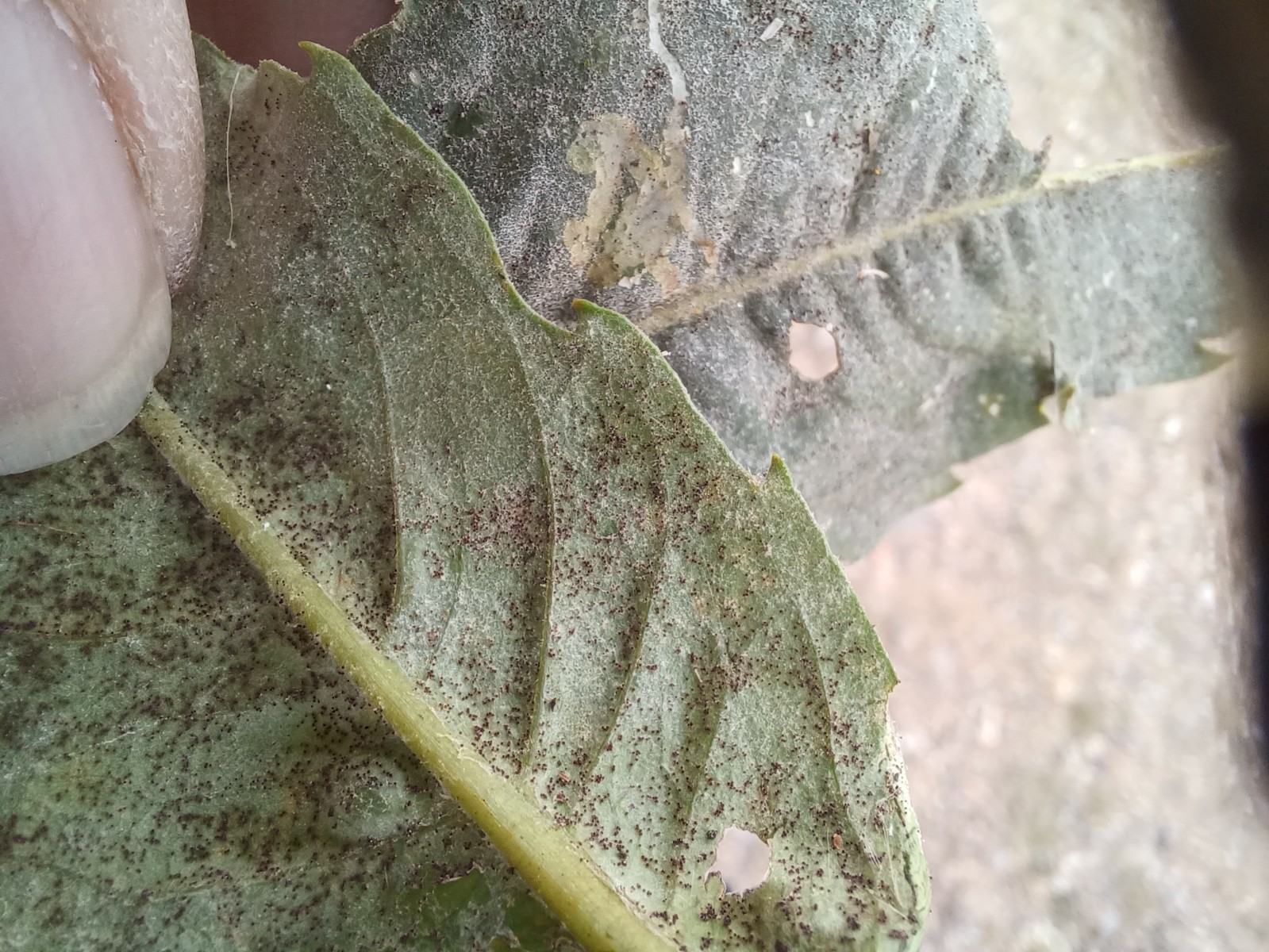
Podosphaera xanthii is a fungal pathogen that causes powdery mildew disease primarily on cucurbit crops including cucumbers, melons, squash, pumpkins, and gourds. This obligate biotrophic fungus produces characteristic white to grayish powdery growth on leaf surfaces, consisting of conidiophores and chains of conidia (asexual spores). The fungal mycelium develops superficially on plant surfaces, sending specialized feeding structures called haustoria into epidermal cells to extract nutrients. The disease typically begins as small, circular, white powdery spots on the upper leaf surfaces, which gradually expand and coalesce to cover entire leaves. Heavily infected leaves may turn yellow, brown, and eventually die. Podosphaera xanthii can also infect stems, petioles, and occasionally fruits, causing reduced plant vigor, decreased photosynthesis, and significant yield losses in susceptible cultivars.

Native Range

Podosphaera xanthii has a worldwide distribution and is found wherever cucurbit crops are grown. The pathogen is believed to have co-evolved with its cucurbit hosts and has spread globally through international trade and movement of infected plant material.

Suggested Uses

This is a plant pathogen - not recommended for any beneficial uses. Management focuses on disease prevention and control through resistant cultivars, cultural practices, and fungicide applications when necessary.

How to Identify

Podosphaera xanthii can be identified by the characteristic white to grayish powdery growth on cucurbit plant surfaces, particularly on the upper sides of leaves. The powdery appearance is created by masses of conidiophores and conidia that can be easily rubbed off with fingers. Microscopic examination reveals elliptical to barrel-shaped conidia produced in chains, and cleistothecia (sexual fruiting bodies) may be present as small, dark, spherical structures embedded in the mycelial mat during favorable conditions.

Care & Maintenance

⚠️ Toxicity Warning

Podosphaera xanthii itself is not toxic to humans or animals, but infected plant material may have reduced nutritional quality and should be removed from edible crops to prevent disease spread.