Podocarpus, Genus, nivalis, Species,
- Genus & species
snow totara
Subalpine and montane New Zealand (North and South Islands); 2,600-5,900 feet (800-1,800 m)
Overview
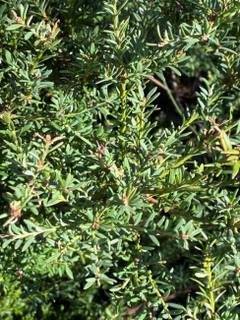
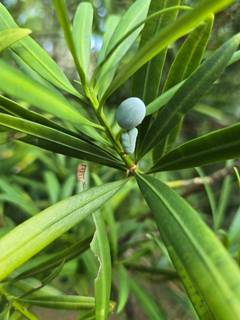
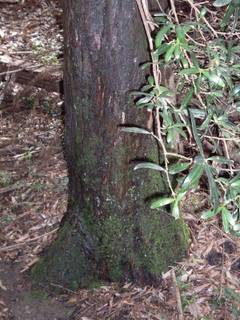
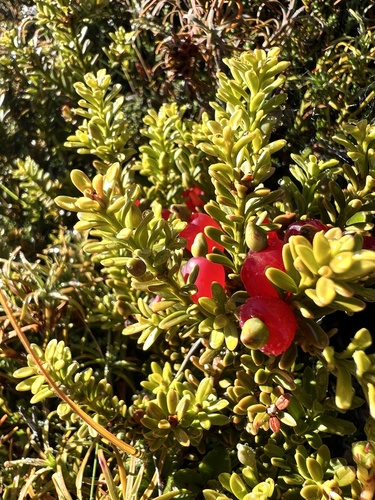
Podocarpus nivalis is a low-growing spreading evergreen shrub native to subalpine and montane zones of New Zealand's North and South Islands. Plants reach 1-3 feet (0.3-0.9 m) tall and 3-6 feet (0.9-1.8 m) wide at maturity at a growth rate of 1-3 inches (2.5-7.5 cm) per year. The habit is prostrate to low-mounding with multiple spreading stems. Leaves are oblong to spatula-shaped, 0.2-0.5 inch (5-12 mm), leathery, and olive-green to dark green in summer; bronzing often develops in cold winter conditions. Short broad leaves separate P. nivalis from most other podocarps, which have narrower or longer foliage. Plants are dioecious; female plants produce seeds on small fleshy red receptacles in autumn, though reproductive structures are produced infrequently in cultivation. Cold hardiness is higher than most podocarps — established plants survive to approximately 0°F (-18°C), making the species hardy in zones 7-9. In Pacific Northwest gardens the species performs reliably on both sides of the Cascades in sheltered sites. Non-toxic. Deer-resistant.
Native Range
P. nivalis is native to subalpine and montane zones of New Zealand's North and South Islands at elevations of 2,600-5,900 feet (800-1,800 m).Suggested Uses
Grown in rock gardens, containers of at least 5 gallons (19 L), and mixed borders as a low evergreen groundcover, spaced 3-5 feet (0.9-1.5 m) apart. The slow growth and small footprint suit sites where most conifers grow too large. Shade tolerance extends use to woodland understory positions. Winter bronze tints and fleshy red receptacles on female plants give seasonal interest. Non-toxic. Hardy in zones 7-9.How to Identify
Appearance
Size & Dimensions
Height1' - 3'
Width/Spread3' - 6'
Colors
Bloom Information
Plants are dioecious. Male plants produce small pollen cones in spring. Female plants produce seeds on small fleshy red receptacles approximately 0.3 inch (8 mm), ripening in autumn (September-October). Reproductive structures are produced infrequently in cultivation, particularly when only one sex is present.
Detailed Descriptions
Foliage Description
olive-green to dark green, bronzing in cold winter conditions; leaves oblong to spatula-shaped, 0.2-0.5 inch (5-12 mm), leatheryGrowing Conditions
Sun Requirements
Requires 2-8 hours of direct sunlight daily
• Full Sun: 6+ hours of direct sunlight
• Partial Shade: 3-6 hours of direct sunlight
• Full Shade: Less than 3 hours of direct sunlight
Care & Maintenance
Care Guide
Site in dappled to moderate shade (2-8 hours direct sun; full sun is tolerated in cool maritime climates) in well-drained slightly acidic to neutral soil with a pH of 5.0-7.0; sandy and rocky substrates are tolerated. Water weekly during the first two growing seasons; established plants tolerate moderate drought. Foliage bronzes in cold conditions as a normal winter response, not a sign of disease. No significant pest or disease problems in Pacific Northwest conditions. The slow growth rate means the plant takes many years to reach mature spread; adequate spacing is set from the start. Cold hardiness is higher than most podocarps, supporting reliable performance into zone 7. Non-toxic. Deer-resistant. Hardy in zones 7-9.Pruning
No pruning is required; the prostrate spreading form develops naturally. Dead branches can be removed at any time. Light trimming after new growth hardens in late spring will shape individual plants; heavy pruning into bare wood is not productive, as the plant does not regenerate from leafless stems.Container Growing
Suitable for container growing
Minimum container size: 5 gallons