Pluchea, Genus, baccharis, Species,
- Genus & species
rosy camphorweed
Overview
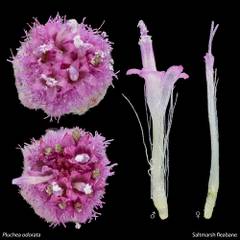
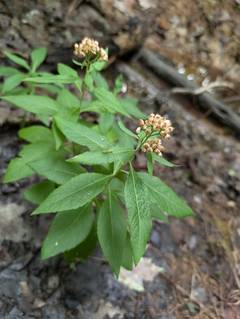
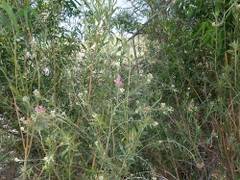
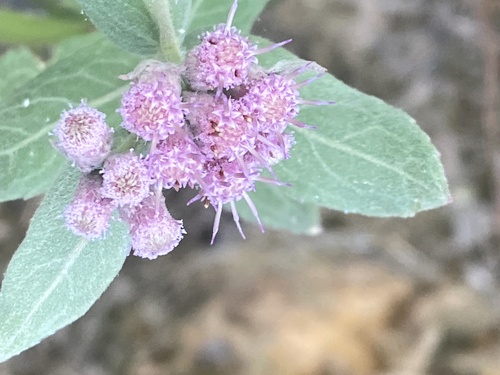
Pluchea baccharis is an aromatic herbaceous perennial growing 1 to 3 feet (30 to 90 cm) tall, with erect, often reddish stems and a camphor-like scent when the foliage is crushed. The grayish-green leaves are oval to lance-shaped, 1 to 3 inches (2.5 to 8 cm) long, with toothed or smooth margins and a soft, hairy surface that clasps the stem. From summer into autumn it bears flat-topped clusters of small rose-pink flower heads, each head a tuft of tubular disk flowers without rays. The plant grows in wet pine flatwoods, marsh edges, ditches, and moist sandy ground across the southeastern United States. It tolerates seasonal flooding and salt and spreads by underground stems to form colonies. It needs sun and moist soil and does not do well in dry, shaded sites. The rose-pink flowers draw butterflies and other pollinators. It can spread broadly in suitable wet ground.
Native Range
Native to the southeastern United States, from the Carolinas south through Florida and west along the Gulf Coast, and into the Caribbean. It grows in wet pine flatwoods, marsh and pond edges, ditches, and moist sandy soils.Suggested Uses
Used in rain gardens, pond and marsh edges, and wetland restoration in the Southeast. The aromatic foliage and late flowers suit pollinator and butterfly plantings. It fits moist, sunny sites where many perennials rot.How to Identify
Appearance
Size & Dimensions
Height1' - 3'
Width/Spread1' - 2'
Bloom Information
Detailed Descriptions
Foliage Description
gray-greenGrowing Conditions
Sun Requirements
Requires 6-12 hours of direct sunlight daily
• Full Sun: 6+ hours of direct sunlight
• Partial Shade: 3-6 hours of direct sunlight
• Full Shade: Less than 3 hours of direct sunlight
Care & Maintenance
Care Guide
Grow in full sun to part shade in moist to wet soil. Pluchea baccharis accepts sandy, loamy, or mucky soils with a pH from 5.0 to 7.0 and tolerates seasonal flooding and some salt. Keep the soil moist, since the plant declines in dry ground. It is hardy in USDA zones 8 through 10. The plant spreads by underground stems, so a moist site with room to colonize is appropriate. Cut back old stems in late winter before new growth begins.Pruning
Cut the dead stems to the ground in late winter or early spring. Spent flower clusters can be removed to limit self-sowing. Thin spreading shoots in spring to control the colony size. The plant resprouts readily from its roots.Pruning Schedule
Prune: February–March
winter