Plectocephalus, Genus, spp., Multiple species,
- Genus
- Multiple species
American basket-flower
SunFull Sun
Overview
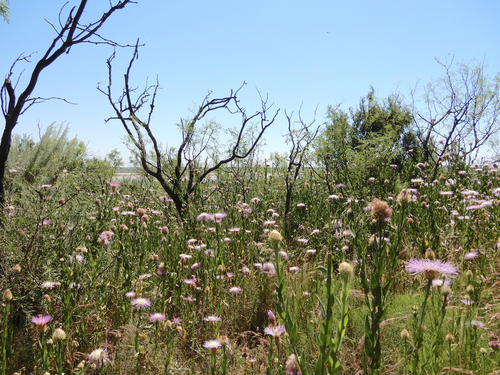
Plectocephalus is a genus of herbs in the daisy family Asteraceae, native to North America and segregated from the knapweeds Centaurea. It includes the American basket-flower, Plectocephalus americanus, a fast-growing annual, along with a few other annual to short-lived perennial species of the United States and Mexico. Plants form erect, branching stems 24-72 inches (60-180 cm) tall with simple, alternate, often rough leaves. The large flower heads, 2-4 inches (5-10 cm) across, are rose-pink to lavender with paler centers, the outer florets enlarged and deeply cut so the head has a fringed look; beneath each head sits a basket-like network of straw-colored, fringed bracts that gives the common name. The heads carry a light honey scent and are followed by seeds tipped with short bristles. Plectocephalus grows in open prairie, plains, fields, and roadsides on well-drained soils. The annual species die after seeding and are grown from seed each year, and plants can self-sow freely where soil is left open.
Native Range
Plectocephalus is native to North America, with species ranging across the central and southwestern United States and into Mexico. It grows in prairie, plains grassland, fields, and along roadsides on open, well-drained ground.Suggested Uses
Used in wildflower meadows, prairie and cottage plantings, and cut-flower beds, and as a nectar source for bees and butterflies. Sown in drifts for summer color on open, sunny ground.How to Identify
Appearance
Size & Dimensions
Height2' - 6'
Width/Spread1' - 2'
Bloom Information
Detailed Descriptions
Flower Description
Rose-pink to lavenderFoliage Description
GreenGrowing Conditions
Sun Requirements
Requires 6-10 hours of direct sunlight daily
• Full Sun: 6+ hours of direct sunlight
• Partial Shade: 3-6 hours of direct sunlight
• Full Shade: Less than 3 hours of direct sunlight
Water & Climate
Water Needs
Drought Tolerance
Drought tolerant when established
Care & Maintenance
Care Guide
Plectocephalus is grown from seed sown in spring, or in autumn in mild areas, in full sun on average, well-drained soil. It tolerates heat, poor soil, and dry spells once established and needs only moderate water. Tall stems may need support in rich soil or windy sites, and crowded plantings help keep them upright. Spent heads are removed before seed ripens where self-seeding is unwanted, or some are left for birds and natural reseeding. The annual species complete their cycle in one season and die after flowering. No routine feeding is needed, and rich soil produces tall, lax growth.Pruning
Deadhead spent flower heads to prolong bloom and limit self-seeding, or leave late heads to set seed. Cut plants down after they finish at the end of the season. No other pruning is needed.Toxicity: Not assessed
UnknownPlanting Guide
Planting Methods & Timing
Planting Method
direct sow
Direct Sow Timing
Spring after frost, or autumn in mild-winter areas
Days to Maturity
90–120 days
Plant Spacing
12 inches
Companion Planting
Good Companions
