Platysace, Genus, spp., Multiple species,
- Genus
- Multiple species
platysace
Overview
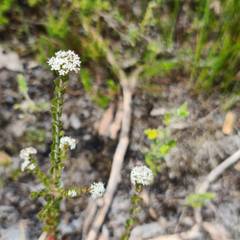
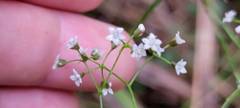
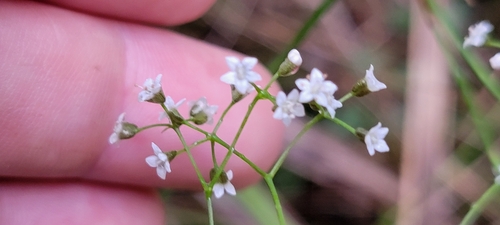
Platysace is a genus of about twenty-five to forty evergreen shrubs, subshrubs, and herbs in the carrot family Apiaceae, endemic to Australia, where they grow in heath, shrubland, and open woodland. Most species are wiry, much-branched shrubs 8-59 inches (20-150 cm) tall, with small, narrow to oval leaves and a tough, often rounded habit. Unlike the soft umbellifers of cooler regions, many Platysace are hard-leaved plants of dry, fire-prone country. The tiny flowers, usually white or cream and sometimes pink-tinged, are gathered into small, dense, flat-topped umbels at the branch tips, opening over spring and summer. Some species, such as Platysace deflexa and P. cirrosa, form starchy underground tubers that were a traditional food of Aboriginal peoples and are sometimes called native potato. Platysace grows on sandy, gravelly, or lateritic acidic soils with sharp drainage and low nutrients. It tolerates heat and drought but is intolerant of wet, heavy, or fertile soils, which restricts its garden use to native and dry-climate plantings.
Native Range
Platysace is endemic to Australia, with most species in the southwest and along the eastern and southern coasts. It grows in heath, shrubland, and dry open woodland on sandy and gravelly acidic soils.Suggested Uses
Used in Australian native gardens, heath and rockery plantings, and on dry, sharply drained banks. Some tuber-forming species are grown as bush-food plants in dry-climate gardens.How to Identify
Appearance
Size & Dimensions
Height8" - 4'11"
Width/Spread1' - 4'
Bloom Information
Flowering occurs mainly in spring and summer, when small white to cream umbels open at the branch tips over several weeks. In its native range bloom often peaks from September through January. Small dry paired fruits follow and release the seed.
Detailed Descriptions
Flower Description
White to creamFoliage Description
GreenGrowing Conditions
Sun Requirements
Requires 6-10 hours of direct sunlight daily
• Full Sun: 6+ hours of direct sunlight
• Partial Shade: 3-6 hours of direct sunlight
• Full Shade: Less than 3 hours of direct sunlight
Care & Maintenance
Care Guide
Grow Platysace in full sun on light, sandy or gravelly, sharply drained acidic soil that is low in nutrients, mirroring its heathland habitat. Water to establish, after which plants tolerate extended drought and heat and resent prolonged wetness and phosphorus-rich fertilizers. Heavy or poorly drained soils cause root rot, so raised ground and rockeries suit the genus. A light trim after flowering keeps the habit dense. Most species tolerate light frost but grow most strongly in warm, dry conditions, and propagation is by seed or cuttings. Little feeding is needed beyond an occasional low-phosphorus native fertilizer.Pruning
Trim lightly after flowering to keep plants compact and well branched. Cutting hard into old bare wood often fails to reshoot, so pruning stays within leafy growth. No heavy pruning is needed.Container Growing
Suitable for container growing
Minimum container size: 3 gallons