Pilosella, Genus, aurantiaca, Species,
- Genus & species
orange hawkweed
Overview
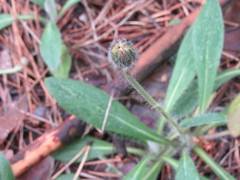
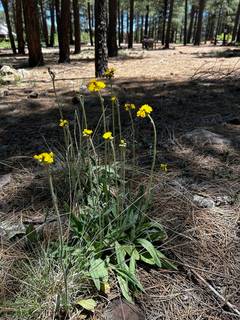
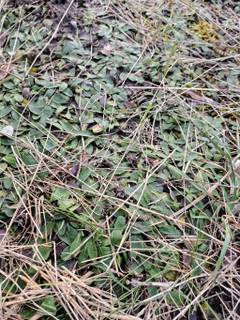
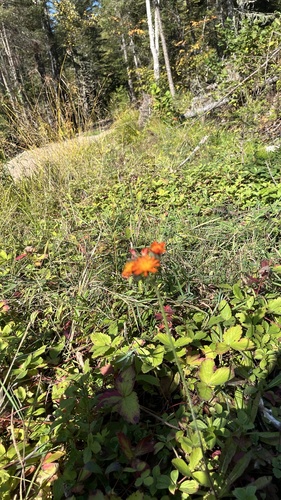
Pilosella aurantiaca is a stoloniferous perennial in the aster family, forming a flat basal rosette and sending up leafless, bristly flower stems 8-24 inches (20-60 cm) tall. The rosette leaves are lance-shaped, 2-5 inches (5-13 cm) long, untoothed, and densely covered in stiff blackish hairs. Each stem carries a tight cluster of 5 to 30 flower heads 0.5-0.8 inch (13-20 mm) across, made up entirely of orange to brick-red strap-shaped ray florets. The plant spreads quickly by above-ground runners, leafy stolons, and wind-borne seed, knitting into dense mats. It colonizes lawns, pastures, roadsides, and meadows on poor, acidic soil and is listed as a noxious weed in several U.S. states and Canadian provinces. The shallow root system and aggressive runners make it hard to contain once established. The foliage and stems exude a milky latex when broken.
Native Range
Native to the mountains of central and northern Europe, from the Alps and Carpathians to Scandinavia. It has naturalized across northern North America, New Zealand, and Australia, where it is widely treated as an invasive weed.Suggested Uses
Occasionally grown in wildflower and gravel plantings for its orange flowers, spaced 8-12 inches (20-30 cm) apart, though its spread confines use to contained sites. In many regions planting is restricted because the species is classed as invasive. The flowers draw bees, hoverflies, and butterflies.How to Identify
Appearance
Size & Dimensions
Height8" - 2'
Width/Spread6" - 1'
Bloom Information
Detailed Descriptions
Flower Description
Orange to brick-redFoliage Description
Dark green, hairyGrowing Conditions
Sun Requirements
Requires 5-10 hours of direct sunlight daily
• Full Sun: 6+ hours of direct sunlight
• Partial Shade: 3-6 hours of direct sunlight
• Full Shade: Less than 3 hours of direct sunlight
Care & Maintenance
Care Guide
Grows in full sun to part shade on poor, dry to moderately moist, acidic soil. It tolerates infertile, compacted, and gravelly ground where many plants fail and needs no feeding or irrigation once established. The stolons root as they spread, so a single plant builds a colony within a season or two. Plants are hardy to about -40F (-40C) in zones 3-8 and die back to the rosette in winter. Because runners and root fragments regenerate, cutting or shallow pulling rarely gives lasting control. Rich soil and regular moisture speed its spread.Pruning
Removing flower stems before seed set limits spread by seed but does not stop the runners. Spent stems can be cut at the base after flowering. The basal rosettes persist through winter and need no cutting back.Container Growing
Suitable for container growing
Minimum container size: 1 gallons