Pilosella, Genus, spp., Multiple species,
- Genus
- Multiple species
mouse-ear hawkweeds
Europe, North Africa, and temperate Asia
Overview
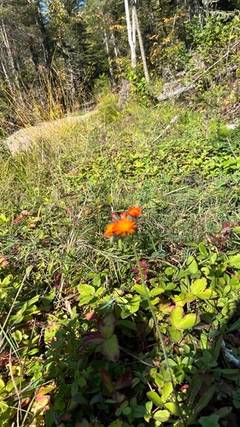
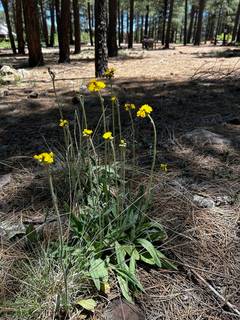
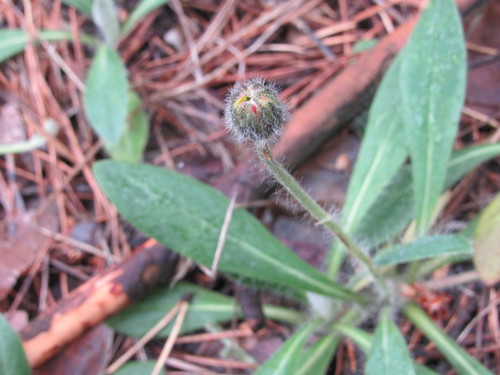
Pilosella is a genus of roughly 110 to 260 species of low perennial herbs in the daisy family (Asteraceae), native to Europe, North Africa, and temperate Asia and naturalized widely in North America, New Zealand, and Australia. The plants were long included in Hieracium and differ chiefly in spreading by above-ground runners (stolons) and underground rhizomes, forming dense mats from basal rosettes. Leaves are entire, lance-shaped to spoon-shaped, 1-5 inches (2.5-13 cm) long, and clothed in soft hairs that give the foliage a grey-green, mouse-ear texture. Flowering stems 4-24 inches (10-60 cm) tall carry dandelion-like heads composed entirely of strap-shaped ray florets, in yellow or, in P. aurantiaca, brick-orange to red. The heads are followed by small dry seeds tipped with a pappus of hairs that aids wind dispersal. Several species, including P. aurantiaca and P. officinarum, spread rapidly by stolon, rhizome, seed, and root fragments, and are listed as noxious or invasive weeds in parts of North America and the Pacific Northwest, where they crowd out pasture and meadow plants. A few are grown in gardens for their orange or yellow heads, though their running habit makes them hard to contain.
Native Range
Pilosella species are native to Europe, North Africa, the Caucasus, and temperate Asia. Several species, notably P. aurantiaca (orange hawkweed) and P. officinarum (mouse-ear hawkweed), have naturalized across North America, New Zealand, Australia, and Japan, and are regulated as invasive in several U.S. states and Canadian provinces.Suggested Uses
Yellow-flowered Pilosella species are occasionally grown in wildflower meadows, gravel gardens, and the front of informal borders where their spreading mats can be allowed to run. Orange-flowered P. aurantiaca is grown for its red-orange heads in contained beds or troughs. In regions where the genus is invasive, ornamental use is restricted or prohibited.How to Identify
Appearance
Size & Dimensions
Height4" - 2'
Width/Spread1' - 2'
Bloom Information
Most Pilosella species bloom from late spring into summer, roughly May to August, with scattered later heads in cool, moist conditions. Each rosette can send up several flowering stalks in succession. The heads open in the morning and close by afternoon and in dull weather.
Detailed Descriptions
Foliage Description
grey-green, hairyGrowing Conditions
Sun Requirements
Requires 4-12 hours of direct sunlight daily
• Full Sun: 6+ hours of direct sunlight
• Partial Shade: 3-6 hours of direct sunlight
• Full Shade: Less than 3 hours of direct sunlight
Care & Maintenance
Care Guide
These plants grow in full sun to part shade and tolerate poor, dry, acidic soils, including gravelly, sandy, and disturbed ground where many plants grow poorly. They spread fastest in open, low-fertility sites and thin pasture, rooting from stolons and fragments. Rich, fertile, and densely planted ground slows their spread by competition. Drought-tolerant once established, they need no supplemental feeding and little water. Because several species are invasive, contained beds, isolated containers, and removal of flower heads before seed set restrict their movement. Root and stolon fragments left in soil can regenerate new plants.Pruning
Removing flower heads before they set seed limits wind dispersal and self-sowing. Cutting or mowing reduces seed output but does not kill plants, which regrow from rosettes, stolons, and rhizomes. Digging out the whole root system is needed to remove established clumps.Container Growing
Suitable for container growing