Image 1 of 4
1 / 4
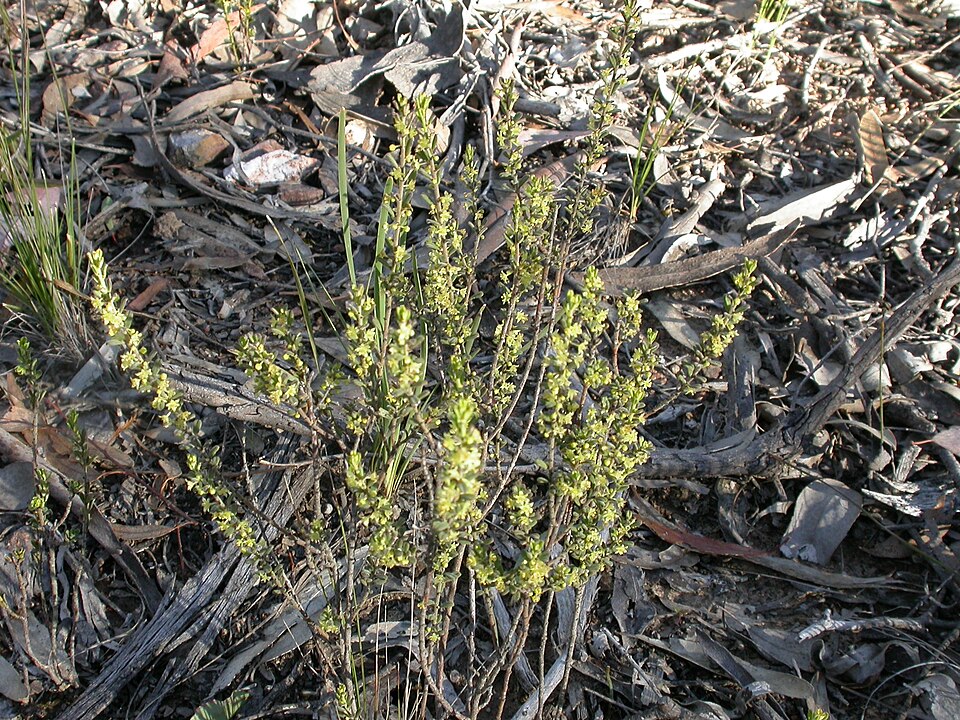
© Donald Hobern from Copenhagen, Denmark, some rights reserved (CC-BY) · Wikimedia Commons
Phyllanthus, Genus, spp., Multiple species,
- Genus
- Multiple species
Leaf-flowers
Pantropical; Asia, Africa, Australia, and the Americas
SunFull Sun – Part Shade
WaterMedium
Overview
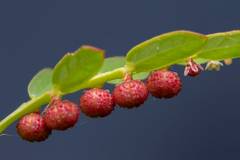
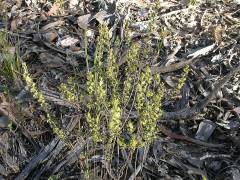
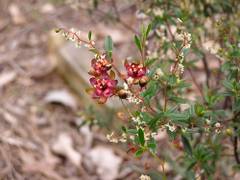
Phyllanthus is a very large genus of flowering plants, with roughly 800 to 1,200 species in the family Phyllanthaceae, spread across the tropics and subtropics of the world. Its members range from small annual herbs only a few inches (5–15 cm) high to shrubs and forest trees reaching 60 feet (18 m), so growth form varies enormously across the genus. Many species show a pattern called phyllanthoid branching, in which small leaves are arranged in two ranks along short side branches so that the whole branchlet looks like a single compound leaf. The small flowers, which lack petals and are usually greenish, yellow, or reddish, hang beneath these branchlets, giving the common name leaf-flower. Fruits are small capsules or berries. The genus includes plants of economic use, such as the Indian gooseberry P. emblica, grown for its tart fruit, and P. niruri, used in traditional medicine, along with floating aquatic species kept in aquariums. Leaves of many species fold together at night. Because the genus is so varied, no single set of growing conditions fits all of its members, though most need warm, frost-free conditions.
Native Range
Phyllanthus is pantropical, native to warm regions of Asia, Africa, Australia, and the Americas. Species grow in rainforest, savanna, wetland, and disturbed ground, and several have spread as weeds beyond their original range.Suggested Uses
Phyllanthus species are grown for edible fruit, as in P. emblica and P. acidus, for traditional medicine, and as ornamental and aquarium plants. Shrubby species are planted in tropical gardens and hedges, while floating species are kept in warm aquariums and ponds. Some are grown chiefly for their leaf-flower branching pattern.How to Identify
Appearance
Size & Dimensions
Height4" - 60'
Width/Spread6" - 30'
Bloom Information
Flowering time depends on species and climate, with many tropical kinds blooming through much of the year and seasonal species flowering in the warm, wet months. The small flowers are wind- or insect-pollinated. Fruit follows quickly, and in some species the ripe capsules split open and eject their seeds.
Detailed Descriptions
Flower Description
Small, greenish to yellow or reddishFoliage Description
GreenGrowing Conditions
Sun Requirements
Requires 4-10 hours of direct sunlight daily
• Full Sun: 6+ hours of direct sunlight
• Partial Shade: 3-6 hours of direct sunlight
• Full Shade: Less than 3 hours of direct sunlight
Water & Climate
Water Needs