Phormium, Genus, spp., Multiple species,
- Genus
- Multiple species
New Zealand flaxes
Overview
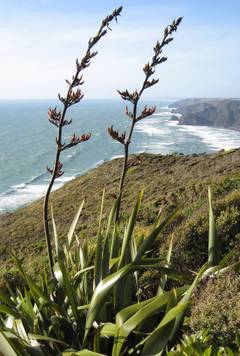
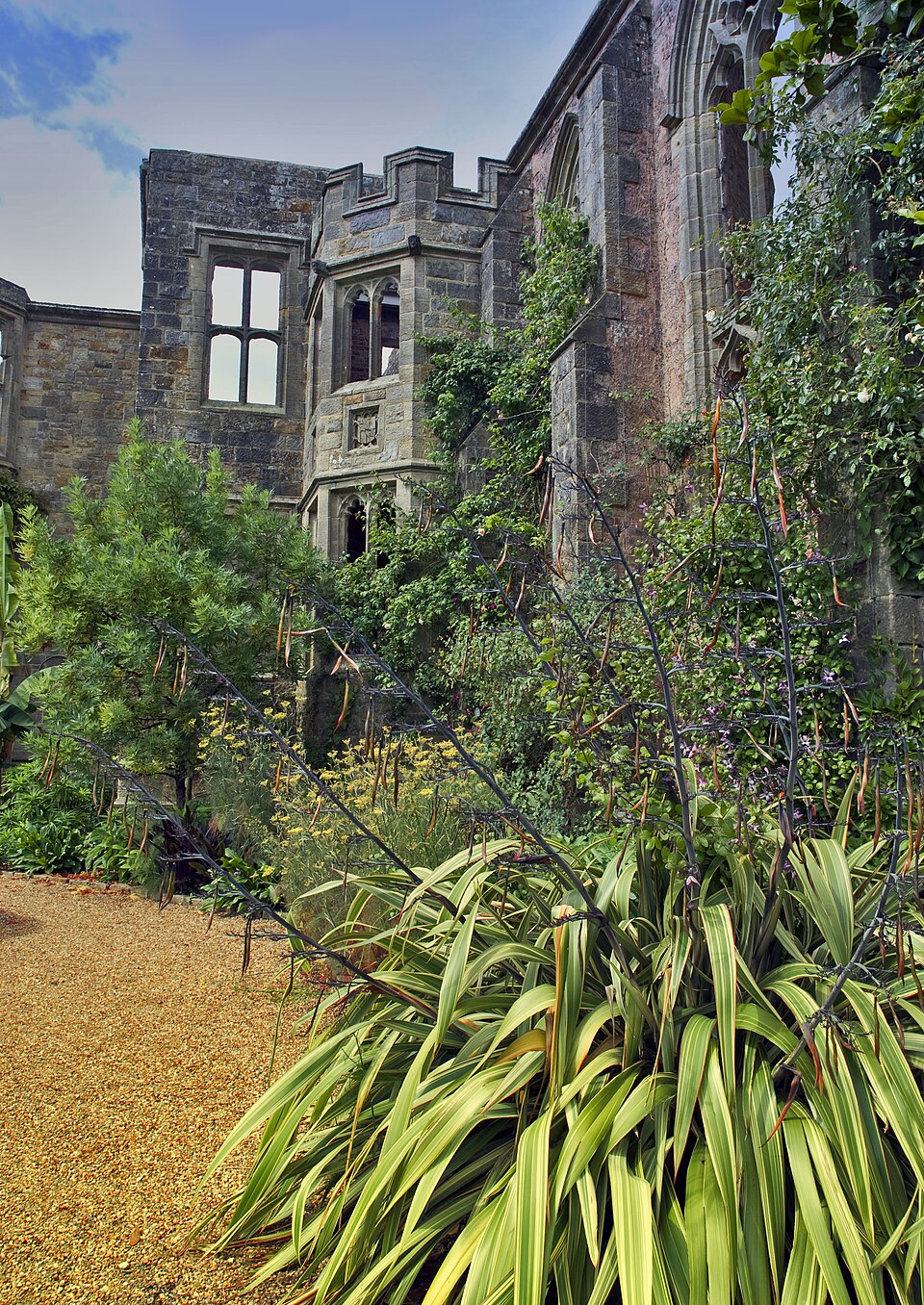
Phormium, the New Zealand flax, is a genus of two evergreen perennial species in the family Asphodelaceae, native to New Zealand and Norfolk Island. Plants form bold, fan-shaped clumps of stiff, sword-like leaves rising from the base, ranging from 2 to 10 feet (0.6 to 3 m) tall depending on species and cultivar. P. tenax, harakeke, is the larger, with upright leaves to 10 feet (3 m), while P. cookianum is smaller with more arching foliage. Leaf colour spans deep green, bronze, and near-black in the wild, and named cultivars add stripes and flushes of cream, yellow, pink, red, and apricot. In summer mature plants send up branched flowering stems well above the leaves, carrying tubular red, orange, or yellow flowers rich in nectar that draw birds, followed by upright or twisted seed capsules. The tough leaves yield a strong fibre, muka, long used by Maori for weaving and cordage. Plants tolerate wind, salt, drought once established, and damp ground, though they are damaged by hard frost and the large clumps need room. The genus is grown as a structural foliage plant for borders, coastal gardens, and large containers.
Native Range
Phormium is native to New Zealand, where both species are widespread, and to Norfolk Island. The plants grow in lowland swamps, streamsides, coastal cliffs, and hill slopes. The genus is not native to North America, though it is widely planted in mild coastal regions worldwide.Suggested Uses
New Zealand flax is grown as a structural and accent plant in borders, coastal and gravel gardens, and large containers, where the upright fans give year-round form. The colourful cultivars contrast with softer planting and are used in subtropical-style schemes. The fibre has a long history of use in weaving, rope, and basketry.How to Identify
Appearance
Size & Dimensions
Height2' - 10'
Width/Spread2' - 6'
Bloom Information
Established clumps flower in summer, mainly from late spring to midsummer in their native range. The branched flower stems stand well above the leaves and carry nectar-rich tubular flowers over several weeks. Not all clumps flower every year, and young plants may take some years to bloom; the dark seed heads persist into autumn and winter.
Detailed Descriptions
Flower Description
Red, orange, or yellowFoliage Description
Green, bronze, near-black, or striped cream, yellow, pink, redGrowing Conditions
Sun Requirements
Requires 6-10 hours of direct sunlight daily
• Full Sun: 6+ hours of direct sunlight
• Partial Shade: 3-6 hours of direct sunlight
• Full Shade: Less than 3 hours of direct sunlight
Care & Maintenance
Care Guide
Phormium grows in full sun to part shade in most soils, from sandy and stony to heavy and seasonally wet, tolerating coastal wind and salt spray. Plants are drought-tolerant once established but grow larger and lusher with steady moisture and fertile soil. A soil pH from about 5.5 to 7.5 is tolerated. They are hardy in roughly USDA zones 8 to 11, with bronze and variegated cultivars tending to be more frost tender than the green species. Hard frost can scorch or kill the foliage, which is cut away as new growth appears. Few pests trouble them, though mealybugs can affect plants under glass and some cultivars revert or split with age.Pruning
Dead, damaged, and frost-burnt leaves are cut out at the base through the year to keep clumps tidy. Spent flowering stems are removed after seeding. Large clumps can be lifted and divided in spring to renew them and control their spread, and any plain-leaved shoots on variegated forms are cut out to stop reversion.Container Growing
Suitable for container growing
Minimum container size: 10 gallons